Researchers have found differences in the frontal lobe and brainstem of recovered COVID-19 patients when compared to healthy people. These changes are linked to issues such as anxiety, insomnia, fatigue, and other cognitive abnormalities.
Feeling out of whack despite finally testing negative for COVID? A recent small study may have just discovered why.
With millions of people reporting symptoms of long COVID, doctors everywhere are trying to figure out how feelings of fatigue, insomnia, brain fog, and anxiety can persist even after some individuals have tested negative for the virus.
A recent study performed by researchers at the Indian Institute of Technology in Delhi has found some interesting results.
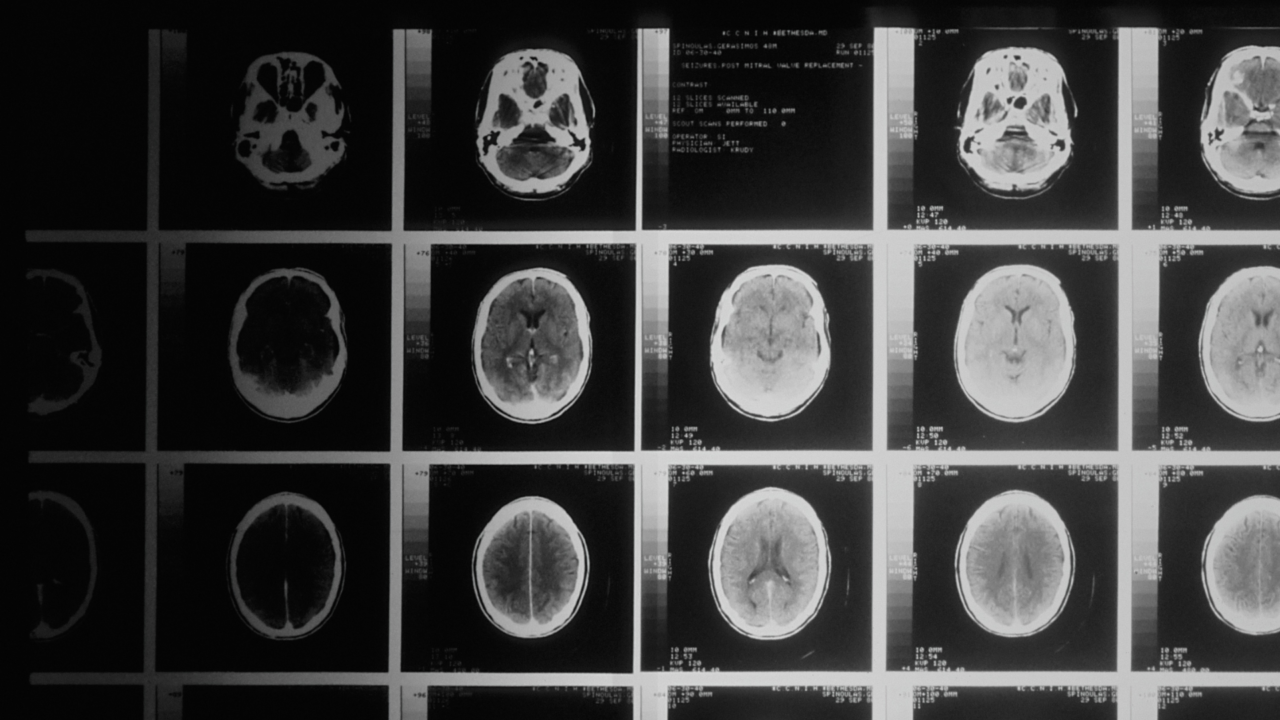
It looked at brain scans of 30 healthy people and 46 recently recovered COVID patients. When comparing them, the researchers noticed ‘significant brain abnormalities’ in scans belonging to the latter, even six months into their recovery period.
The researchers used a special type of magnetic resonance imaging (MRI) scan to look at the group’s brains. According to the report, previous COVID patients appeared to have ‘significantly higher susceptibility values’ in areas such as the frontal lobe and brainstem.
Researchers also noticed changes to the parts of the brain responsible for regulating hormones and circadian rhythms, which explains why many people feel tired, anxious, and unable to concentrate or sleep properly.
Though much of the long-term effects of catching COVID-19 are still shrouded in mystery, there is also some existing evidence that hints at how the virus can affect other parts of the brain.
A study has already confirmed that COVID is capable of reducing grey matter in the brains of people experiencing severe cases of the illness. When inflamed cells in the body travel to brain tissue and spread inflammation, they can damage brain areas responsible for emotion and memory.
This type of reduced grey matter seen in scans has led doctors to believe that COVID can cause brain shrinkage in some cases.
Not to mention, parts of the brain responsible for memory and scent recognition are closely linked. So it should come as no surprise that many experiencing long COVID complain of not regaining their taste or smell.
A study from the University of Oxford looked at the brains of 785 people between the ages of 51 and 85 has found that COVID had damaged areas of the brain that control our ability to pick up scents.
Still, doctors remain optimistic that our brains could repair the damages caused by COVID over time. To prove this, follow up tests will be needed on groups participating in existing studies.
Doctors also urge that there is more research needed to discover whether the same changes to brain structure can be seen in younger people. As scientific research continues, we’ll be keeping our eye out for any new findings.
Deputy Editor & Content Partnership ManagerLondon, UK
I’m Jessica (She/Her). I’m the Deputy Editor & Content Partnership Manager at Thred. Originally from the island of Bermuda, I specialise in writing about ocean health and marine conservation, but you can also find me delving into pop culture, health and wellness, plus sustainability in the beauty and fashion industries. Follow me on Twitter, LinkedIn and drop me some ideas/feedback via email.
57 years ago, Neil Armstrong set his foot on the Moon’s surface, paving the way for lunar exploration. Now, the Artemis program aims to do the same, but with a twist: to prepare humans for Mars.
Since its launch, NASA’s Artemis II has been making global headlines.
From the obvious making of history, to the release of stunning visuals of the Earth and Moon, Artemis just keeps on giving. Since...
White collar administration is a space largely owned by Gen Z, which explains why they’re the generation most likely to find themselves out of work and replaced by AI.
Unless it’s putting creatives out of work, Gen Z is fairly content about the mainstream explosion of AI in recent years.
In-fact, the generation is far and away the most natively fluent in using AI tools. Anything that offers convenience to alleviate...
NASA’s lunar mission Artemis II has been a huge success. The crew has shared viral images of Earth from space and the moon’s previously unseen far side.
Artemis II has successfully reached the moon as part of its flyby lunar mission. The crew has now swung around and is headed back toward Earth, having travelled farther from our planet than any other astronauts in history.
View this post on Instagram
New landmark rulings from recent trials might just force social media’s big players into being accountable for child safety. Silicon Valley is reeling.
The past few days have been quite rough for big tech. The companies that have long positioned themselves above the law just had the rug pulled, and things may never be the same for them.
For years, companies like Meta and Google have relied on Section 230...
We use cookies to ensure that we give you the best experience on our website. If you continue to use this site we will assume that you are happy with it.
































 0 comments