






 0 comments
Why are so many cosmetic doctors dishing out unsolicited advice on our appearance?
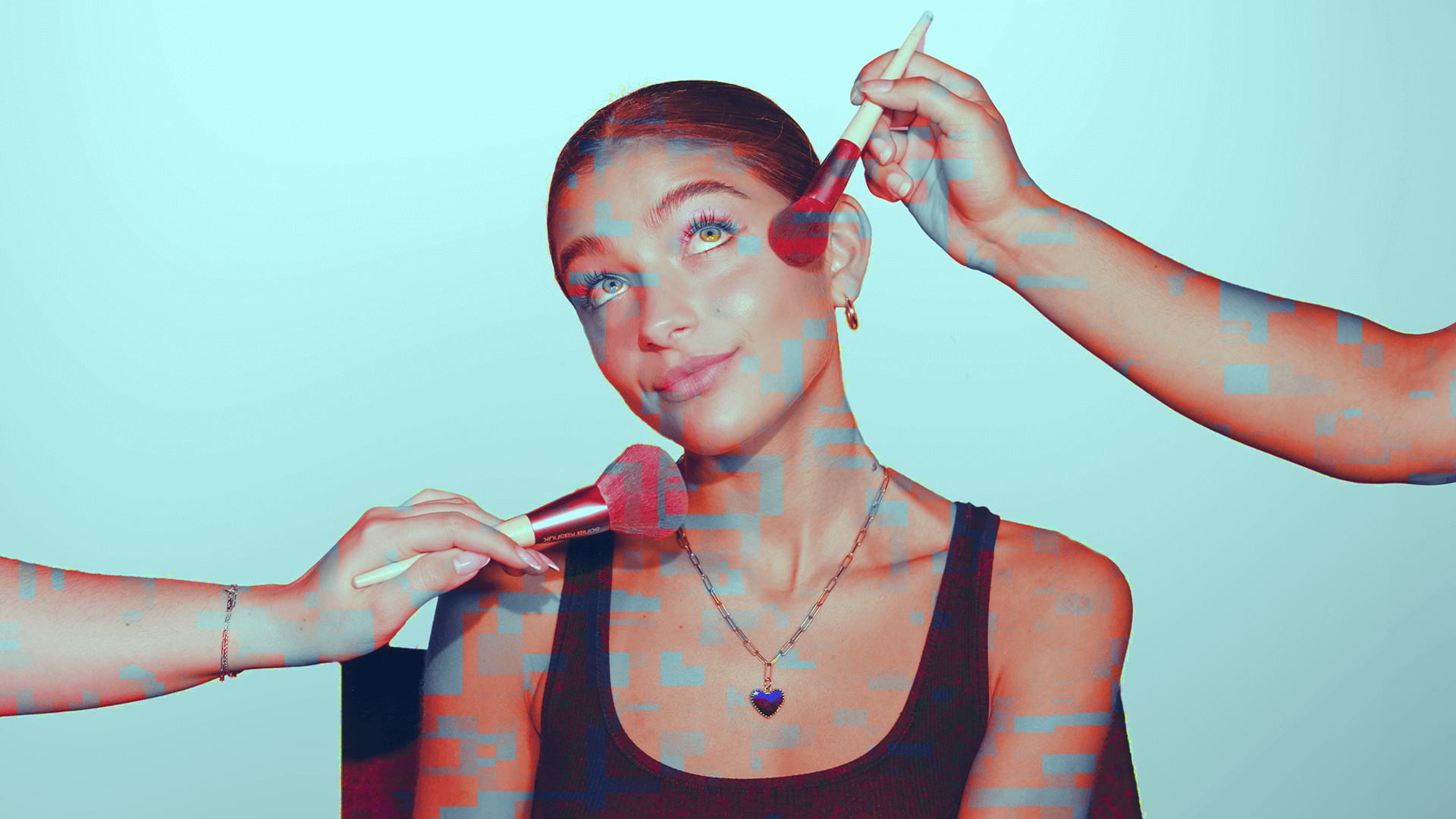
Cosmetic surgery is not the taboo it once was. These days, aesthetic enhancements are accepted as part and parcel of the modern beauty regimen – and celebrities who forgo them are considered trailblazers.
The normalisation of cosmetic medicine has triggered complex debates. Some believe it’s a blessing that once ‘secretive’ procedures are now out in the open – demystifying unrealistic beauty ideals and making us all feel better about ourselves.
Others believe it’s a slippery slope, and that our growing obsession with the many ways to change our faces is exacerbating toxic beauty standards. Whatever side of the fence you sit on, the appetite for aesthetic treatments is growing.
The global aesthetic medicine market is projected to increase at an annual rate of 9.8% from 2024 to 2034, as advancements in technology make the pursuit of ‘natural’ artifice more attainable.
Dr Wassim Taktouk, a cosmetic doctor, anticipates a trend shift toward ‘Quiet Luxury Face’, where individuals opt for a compound of several subtle enhancements over drastic one-off procedures.
The age of those seeking aesthetic treatments has also dropped, with 62% of Brits aged 18-24 considering non-surgical interventions to ‘prevent’ rather than ‘cure’ ageing.
Whichever way you look at it, the cosmetic medical industry is set to enjoy a very prosperous future. And it’s being bolstered by social media.
It’s no secret that digital platforms have made our favourite celebrities more accessible than ever. And while we’re establishing parasocial relationships, spaces like Instagram and TikTok have also become breeding grounds for interrogating the lives of famous people at levels once considered impossible.
In the 90s and early 2000s, tabloid magazines provided a tool for criticizing famous faces and bodies, but social media has replaced this as an interactive environment for sharing unsolicited insights – especially as they pertain to celebrity aesthetic treatments.
Because more and more stars are choosing transparency over secrecy when it comes to plastic surgery, many of us feel entitled to drop in our two cents. Even, it turns out, medical professionals.
As if we needed any more voices telling us what’s wrong with our faces, now cosmetic practitioners are finding success by sharing in-depth analysis of celebrities’ looks. London-based Dr Zayn Khalid Majeed is one doctor-slash-influencer who’s found a dedicated following by unpacking famous faces on TikTok.
But his ‘advice’ recently landed him in hot water after a video criticizing Troye Sivan’s facial structure drew backlash from the singer. In a now-deleted video, Majeed said Sivan appeared to be showing signs of ‘twink death’.
The ‘twink’ look refers to younger, slim gay men with a boyish look – an aesthetic for which Sivan has become somewhat of a blueprint. Majeed told his followers that the pop star could do with a list of various cosmetic ‘improvements’ to fix his ‘problem areas’ and ‘volume loss’, including skin boosters and dermal filler.