




























 0 comments
The 2015 hit narrative game is getting its own television series courtesy of Amazon. But Story Kitchen and LuckyChap have opted not to collaborate with the original writers at Don’t Nod. Is this repeating mistakes of the past?
Life is Strange caught everyone off guard in 2015. Interactive drama games were having something of a boom at the time, but nobody quite anticipated the sheer emotional weight that the coming-of-age suburbia story had in wait.
As a straight man, frankly too old and impatient to engage in the quarrels of teenage girls – or so I thought – I was immediately invested in the story after playing the free demo and bought the full game (plus everything the studio has rolled out since).
Its quiet tale of a photography student in a sleepy Pacific Northwest town spirals into a heartfelt exploration of grief, friendship, queer love, and the impossible burden of choice. It’s a story that sneaks up on you and niggles your brain, even when you’re not playing.
What starts as missing homework and awkward conversations in a dorm room soon builds into life-or-death dilemmas, all framed by the uncanny ability to rewind time and second-guess every decision.
That emotional weight is what made Life is Strange such a cult hit, and why a television series should be a natural fit. The game is heavily cinematic already, its moody indie soundtrack – featuring the likes of Daughter, Jose Gonzalez, Local Natives, etc – is a major feature in and of itself, and the characters are complex; each with their own scroll’s worth of adolescent trials and tribulations.
Following the initial rush of excitement about the adaptation, a crucial detail in the announcement has left a lingering feeling of doubt about the show’s prospects. That’s because, instead of building on the world created by Don’t Nod, Amazon has given the reins to Story Kitchen and Margot Robbie’s LuckyChap, crucially opting not to consult the game’s writers.
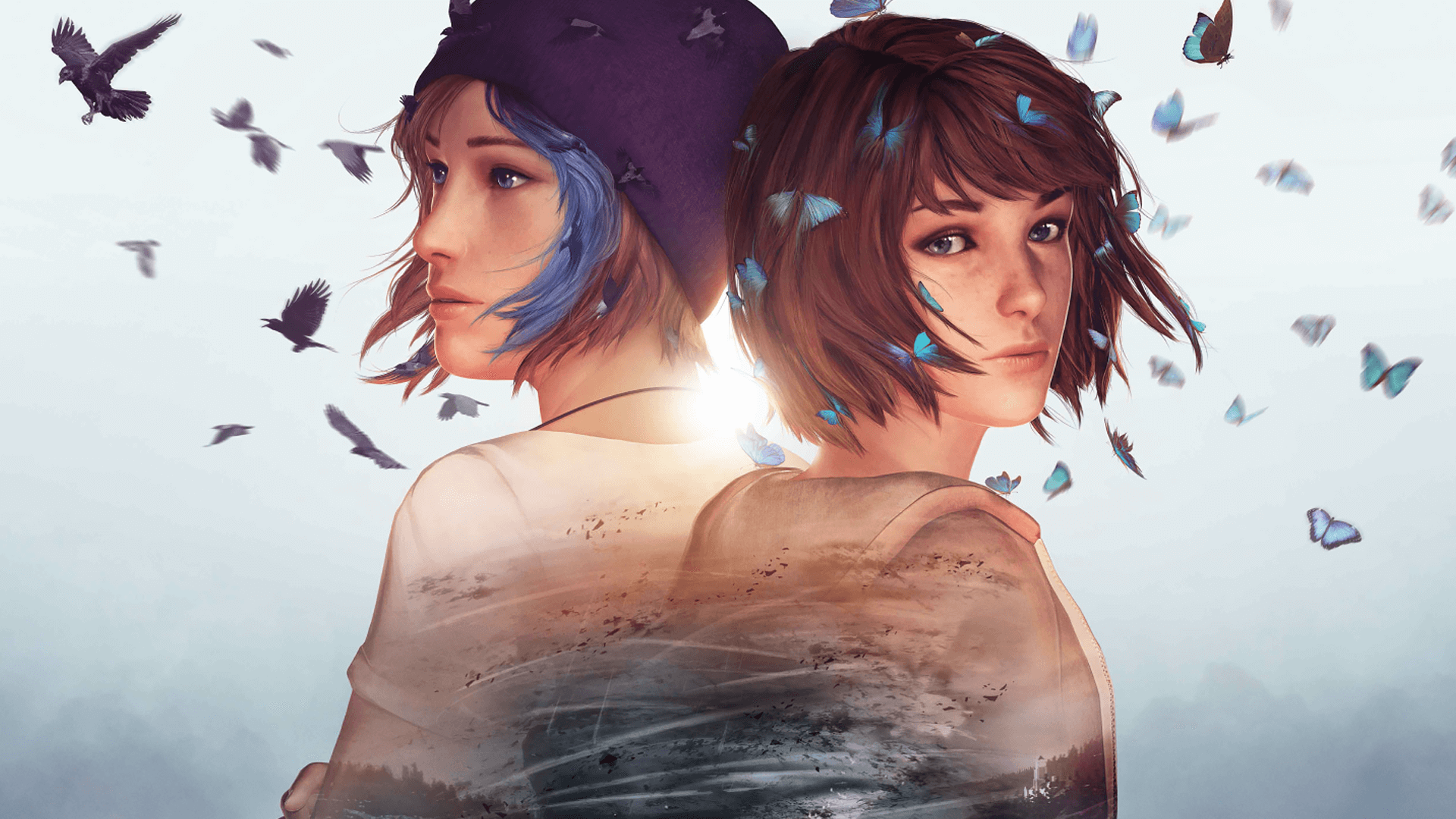
Without rushing to conclusions, it does raise red flags. Life is Strange isn’t purely about aesthetics. If you strip away the nuance in the dialogue, the fragile chemistry between Max and Chloe, or the way choices linger painfully after you’ve made them, you’re left with little more than some blue hair dye, punk rock posters, and crocodile tears.