






 0 comments
Spoiler alert: it doesn’t involve resolutions.
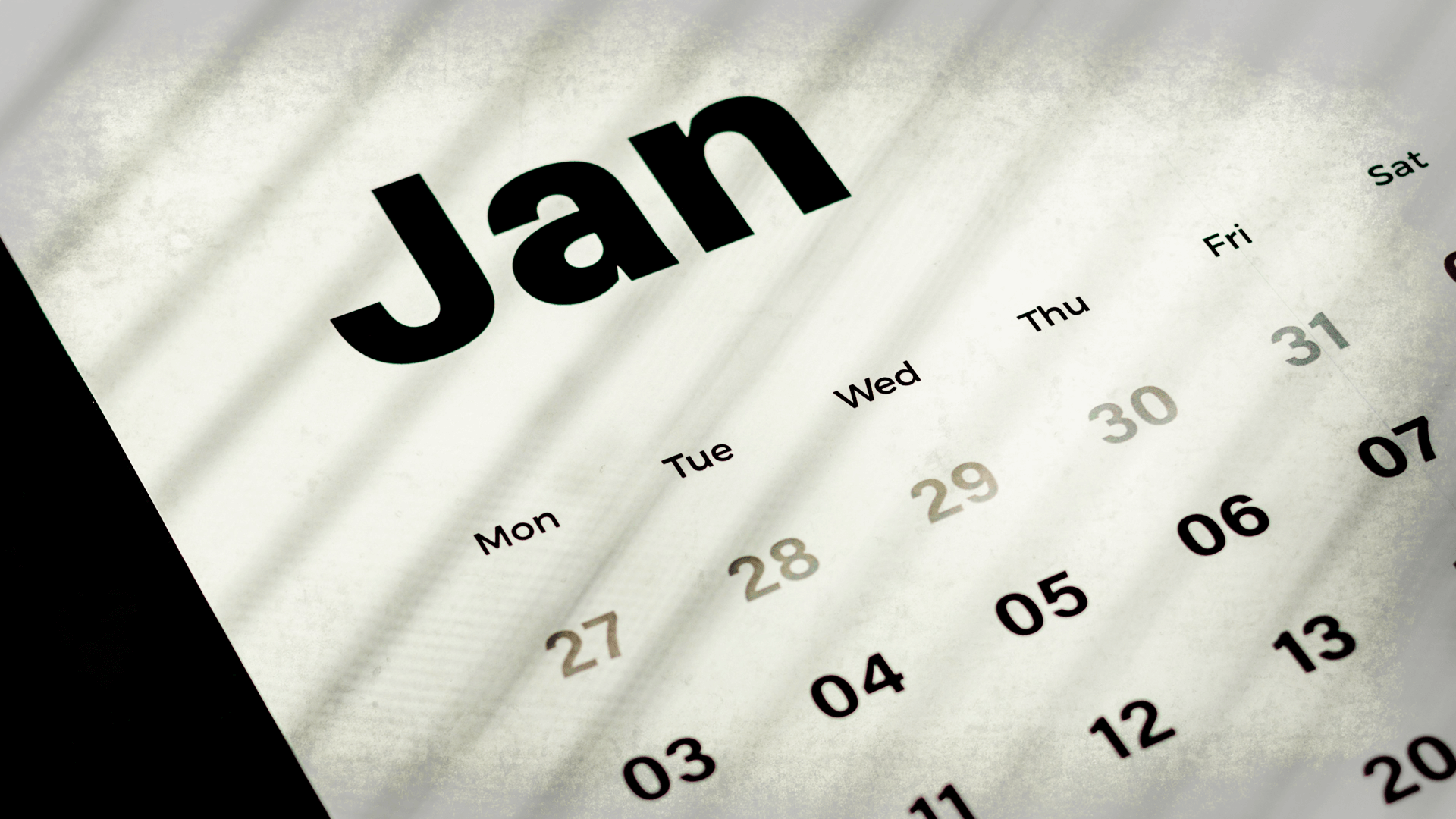
It’s that time of year again: the start of a new one. A fresh twelve months lie before us, promising nothing except the unexpected. If there’s one thing I’ve learned after twenty-nine Januarys, it’s that you can make plans all you like. The universe will still find a way to laugh.
Which makes the annual ritual of New Year’s resolutions feel particularly absurd. Perhaps to soften our fear of the unknown, these self-imposed rules tend to follow a familiar script: wellness, fitness, money. We’ll quit smoking or drinking or eating meat. We’ll run a marathon, buy a house, find love. We’ll transform ourselves neatly and efficiently.
Writing these intentions down on the first of January doesn’t make them more achievable. What it does create is pressure. The year ahead becomes a rapidly approaching deadline we’re required to meet with visible, measurable success. Anything else reads as failure (which is ironic given predictability is sometimes the most rewarding and reassuring outcome one could ask for).
This is what makes the beginning of a new year so difficult for so many people. On the surface, the prospect of another twelve months should be exciting. It could be a chance to recommit to things you love or make plans worth looking forward to. Instead, January has become a gruelling audit. As soon as Boxing Day is over, I can feel the stress creeping in: time to assess who I should become next.
This year, I’m trying something different. 2025 felt strange for many of us. For me, it resembled an oddly hollow filler episode. What made it especially disorienting was that I’d done almost everything I’d set out to do. I met my goals. I ticked the boxes. And yet none of it made me particularly happy.
I struggled with my mental health throughout the year, a struggle made more confusing by the fact that I was, by most external measures, doing well. I looked good. My work was going well. I was saying yes to opportunities, pushing myself out of my comfort zone. And still, I felt lost.
The experience forced me to confront an uncomfortable truth: completing tasks – especially the kind we’re encouraged to list each January – is not the same as building a life that feels good to live inside.
So instead of asking what I want to achieve this year, I’ve started asking a different question: what do I want to be surrounded by? What fills my cup? What actually makes my days feel lighter?