






























 0 comments
Recent data suggests that traditional marketing for new books is steadily facing irrelevance with Gen Z. Is it the end times, or simply a shift away into less conventional formats of storytelling?

The book industry is facing a dilemma.
Recent studies suggest that teenagers and younger Gen Zers aren’t reading many books in full. College students are increasingly turning to AI tools like ChatGPT to research, curate and interpret information for them, rather than actually learning and applying knowledge independently.
That isn’t just a grouchy, older person take either; this ‘Voices of Gen Z’ study by the Walton Family Foundation reported that 35% of Gen Z students dislike reading, and 42% rarely or never read for fun. A survey by BestColleges in 2023 also found that 56% of students reported using AI tools to complete assignments and exams, with that number only likely to have risen since.
Schools are also less likely to assign full books for coursework reading today compared to decades prior, and some sources indicate that very few teenagers are reading in their down time. In fact, according to The National Centre for Education Statistics, only 14% of 13-year-olds are reading for fun, with 31% saying they never or hardly ever read.
In 2022, the National Council of Teachers of English argued that reading books in full should be less of a focus for children, with more emphasis given on ‘critically examining digital media and popular culture’ online and on screens. A UK study the same year by Renaissance Learning concluded that the total books read annually in schools declined by 4.2% for the first time over the previous twelve months, with reading difficulty flatlining or falling in secondary education.
With such huge challenges, how is the book industry keeping itself afloat? Perhaps more importantly, what preparations are publishers making to push back against the current, algorithmic tide? Despite the doom, some recent social trends have actually been helping to boost the popularity of reading amongst Gen Z.
You may have heard of ‘BookTok,’ a movement online where literature enthusiasts share their favourite novels and recommend authors to one another. It’s become so popular that Waterstones in the UK actually enjoyed 5% growth in revenue in 2024, with ten new stores being opened per year. On top of this, the Publishers Association stated that roughly 60% of those aged 16-25 used book influencers to discover a new passion for reading in 2022.
These numbers suggest that while screens and video are damaging our attention spans and reading abilities, they are helping with author discoverability and encouraging community ownership around being a bookworm. As we know, Gen Z loves an aesthetic, and curating book lists and sharing thoughts or reviews with others is a great way to feel included.
It also indicates that publishers need to rethink how they market books to younger people. By channelling energy into new strategies via TikTok and Instagram, authors and booksellers can appeal to Gen Z without appearing stale or archaic. This is becoming increasingly true as more of us start to feel burnt out on nonsensical, autogenerated content that we know is bad for us.
Put simply, algorithms are homogenising culture and a large chunk of consumers are tired of it.
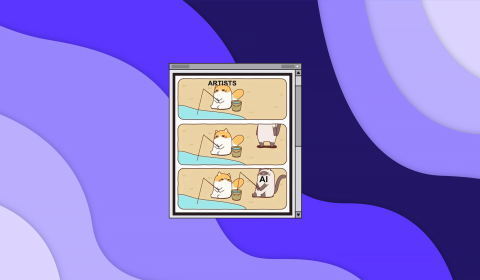
Art made by human beings is becoming ever more appealing, as well as real brick-and-mortar bookshops that offer tangible experiences away from our devices. Books and expert-led reading clubs are starting to gain serious momentum too, especially ones that feature celebrities. Take Service95, for example, the editorial platform founded by Dua Lipa that frequently discusses new books.
So, reading is on the decline, especially in academic fields and within education. Screen time is up, and publishers are certainly nervous about the wave of AI slop that’s making it harder to sell real work by real people. By that same token, social media communities offer lucrative lanes that, if correctly utilised, could serve to keep booksellers afloat. When Gen Z finally turn away from AI and crave human work, books might just be the answer.