






 0 comments
is everything political?
Hey everyone! 😊
Welcome to another jam-packed newsletter from your favourite Gen Z trend trackers. As the summer nears its final weeks, we’re focusing further in on many of the world’s changing tides – especially the changes impacting Gen Z… from how they like to date, shop, drink, and more.
On top of this, we’re outlining all the latest news in tech (including Elon Musk’s hissy fit over Grok’s ranking in the app store) and how global communities are reacting to a rapidly changing economic and political landscape – including their perspectives on crime, migration, and inflation.
There’s more in store, but I don’t want to spoil it for you… so let’s get right into it!

💞 Culture
Gen Z girls are done compromising on core beliefs when dating – she knows
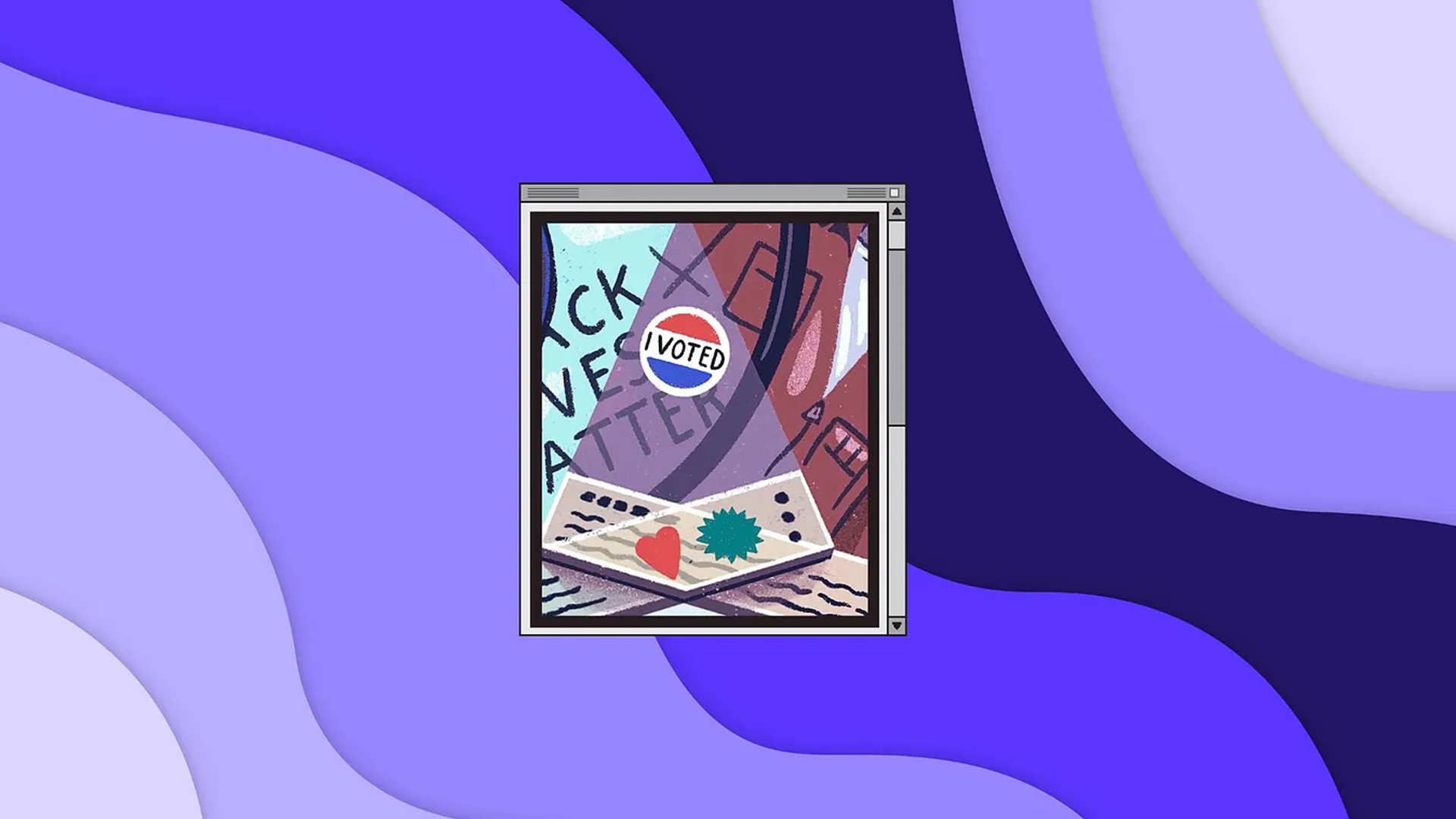
Young girls are navigating dating with politics in mind, viewing political alignment as a core part of compatibility… especially when it comes to romantic relationships. A survey of 100 teens showed that male respondents are generally more flexible about dating inter-politically, while female respondents often see opposing beliefs as a total dealbreaker. Young women, whose bodily autonomy and literal human rights are often politicised or debated, are no longer willing to compromise on values when choosing partners. As this kind of polarisation intensifies, young women are saying that love (like politics) is personal, and shared beliefs are quickly becoming non-negotiable. Period!!!!!
Is Gen Z’s ‘sensible’ relationship with alcohol moving towards hedonism? – guardian
Despite being seen as the ‘sensible generation,’ Gen Z might finally be shifting gears on drinking culture. New research reveals a 7 percent rise in alcohol consumption among legal-age Gen Zers from 2024 to 2025, with iconic drinks like Smirnoff Ice making a comeback, alongside new-on-the-scene BuzzBallz. Experts argue this isn’t really a return to a totally carefree lifestyle for young people. Instead, Gen Z is starting to ease into post-pandemic life, while coping with their anxiety, and the drag of ongoing economic instability. While it might be strengthening, young people’s relationship with alcohol is notably more intentional and varied than previous generations. Their drinking habits are tied to identity, autonomy, and social media influence. As they age and gain more disposable income, the real question is whether their emblematic risk-averse tendencies will continue or dissipate over time.
📲 Tech
Apple has a new AI problem: Elon Musk – fortune
Surprise, surprise… Elon Musk is threatening legal action against Apple over what he believes is unfair favouritism toward OpenAI’s ChatGPT in app store rankings. This is happening because Musk’s chatbot Grok is lagging significantly behind the world’s go-to chatbot (ChatGPT), which is clearly benefitting from Apple’s new partnership with OpenAI. At the same time, major cybersecurity concerns have been raised by U.S. investigators who linked a federal court document system hack to Russian actors. The system is used to manage court documents, some of which include sensitive information that could reveal the names of sources and suspects involved in national security cases.
How to empower young professionals amid rising job market challenges – finance coin
The entry-level job market is facing serious disruption, with rising unemployment among recent grads and the growing impact of AI displacing traditional roles. Unlike past downturns, today’s tech-driven economy demands a faster, more adaptive workforce. Gen Z, with their digital fluency, is the key to bridging that gap. Companies should rethink how they train and onboard young professionals into corporate life, positioning them not just as learners but as leaders in the AI era. This article argues that Gen Z’s comfort with emerging tech allows them to become ‘reverse mentors,’ helping older colleagues adapt while driving innovation. As skill demands evolve rapidly, organisations that invest in young people’s potential – instead of viewing them as lazy or standoffish – stand to gain a future-ready, resilient, and creative workforce.
💄 Fashion + beauty
How beauty plans to crack Substack – business of fashion
PR teams across the beauty sphere are being delivered a crash course on Substack, solidifying the platform’s growing dominance in the industry. Brands like Saie and Selena Gomez’s Rare Beauty are exploring the slower, story-driven vibe of newsletters, which we’ve all coming to know and love over the last few years. Whether you agree with brands hopping onto Substack or not, you have to admit that – if done well – this approach could offer potential customers a break from the chaos of TikTok and Instagram algorithms, and a taste of a deeper, more personified brand identity. Still, Substack’s success rate isn’t going to be as easy as influencer marketing or social media content is. As most of you will know, Substack success isn’t measured through immediate ROI. It’s about slow burning connection stemming from a strong, authentic voice, and close community-building. In an age where we’re all doomscrolling, could the most effective marketing move be… writing a really good email? Well, we’ll see.
Gen Z still prefers in-person shopping – payments dive
They may be digital natives, but when it comes to shopping, Gen Z are surprisingly brick-and-mortar loyal – as long as the experience is fast, flexible, and friction-free. New research shows young people continue to prefer in-store shopping over online shopping, despite the ease of it all. Instant gratification, discounts, and the overall curated vibe are what Gen Zers live for… but they’ll ditch a purchase if the line’s too long – or their preferred payment method isn’t offered. Beauty and luxury categories are where young people really want in-person retail. A great example is Ulta, which is thriving due to its loyalty program, which offers hyper-personalised shopping experiences for members. To earn loyal customers of the future, offer a seamless and rewarding shopping experience… or prepare to be left behind.