




























 0 comments
Euphoria was once a fever dream of Gen Z adolescence, but the show’s adult era has swapped emotional chaos for sex, money, male approval and little else. Has it finally lost all resonance with the generation it’s trying to portray?

People loved Euphoria in 2019, but it was pushing it in terms of relatability back then.
The teenage squabbles over drugs, toxic relationships, and spiralling self-destruction weren’t exactly normal, but the high-school setting and callow age of the cast meant it could get away with it.
Despite its ridiculous levels of self-indulgence, it bottled some of the mood of late 2010s adolescence. Back then life felt a bit like a performance. Everyone seemed to be watching everything, and it was hard to tell where someone’s real personality ended and their online one began.
Euphoria depicted struggles that felt very of the time, including things like addiction, obsession, body dysmorphia, and utilising beauty as armour. It was obviously heightened but it didn’t feel alien. It took the plights of Gen Zers on the younger end of the scale, made them look cinematic, and chucked an angsty Labrinth score on top for good measure.
It had its fair share of critics, granted, but that didn’t stop it becoming cemented in youth culture. You could argue it basically carried the hedonistic, Y2K aesthetic that the likes of Charli XCX and Olivia Rodrigo further popularised years later. I’m not exactly a fan of the show and yet any time I see that azure blue eyeshadow, I’m reminded of it.
The more of Euphoria Season 3 that I watch the more it feels like a massive fuck you to everyone and everything around it.
Every other scene is some barely disguised fetish, piss, shit, puke or a combination out of the four. Most characters don’t act like themselves at all and… https://t.co/HPdndTy79c
— Skooch (@Skooch) April 27, 2026
Returning for its third season in big 2026, however, the first three episodes have lost that resonance with Gen Z and my timeline is full of people asking what the hell the show is now even about or what it’s trying to say.
Like the audience, the characters are now five years older and navigating adulthood – but that’s about where the relatability ends. Instead of delving into the nuances of what growing up under the pressure of being constantly perceived looks like now, the cynicism, mistrust of corporations, pivot to wellness and health, trading booze and sex for a more insular life… it reached into the dark and somehow pulled out sex, money, and male approval.
Cassie is trapped in a tradwife nightmare with Nate, has booted up an OnlyFans account, and is depicted in an absurdly sexual nature in 90% of her scenes. Jules has binned off art school and become a sugar baby. Rue is moving drugs for a grim strip club owner. Maddy is briefly shown to have a relatively normal job, before hastily pivoting to becoming an OnlyFans guru for women. Noticing a theme?
Self-destructive choices have always been in the show’s DNA, but why does every avenue now seem to lead to some sort of sexual transaction or male control? It feels far more like fixation than social commentary, or perhaps proof that Sam Levinson is less clued up on the generation he’s trying to portray once the high-school tropes are stripped away.
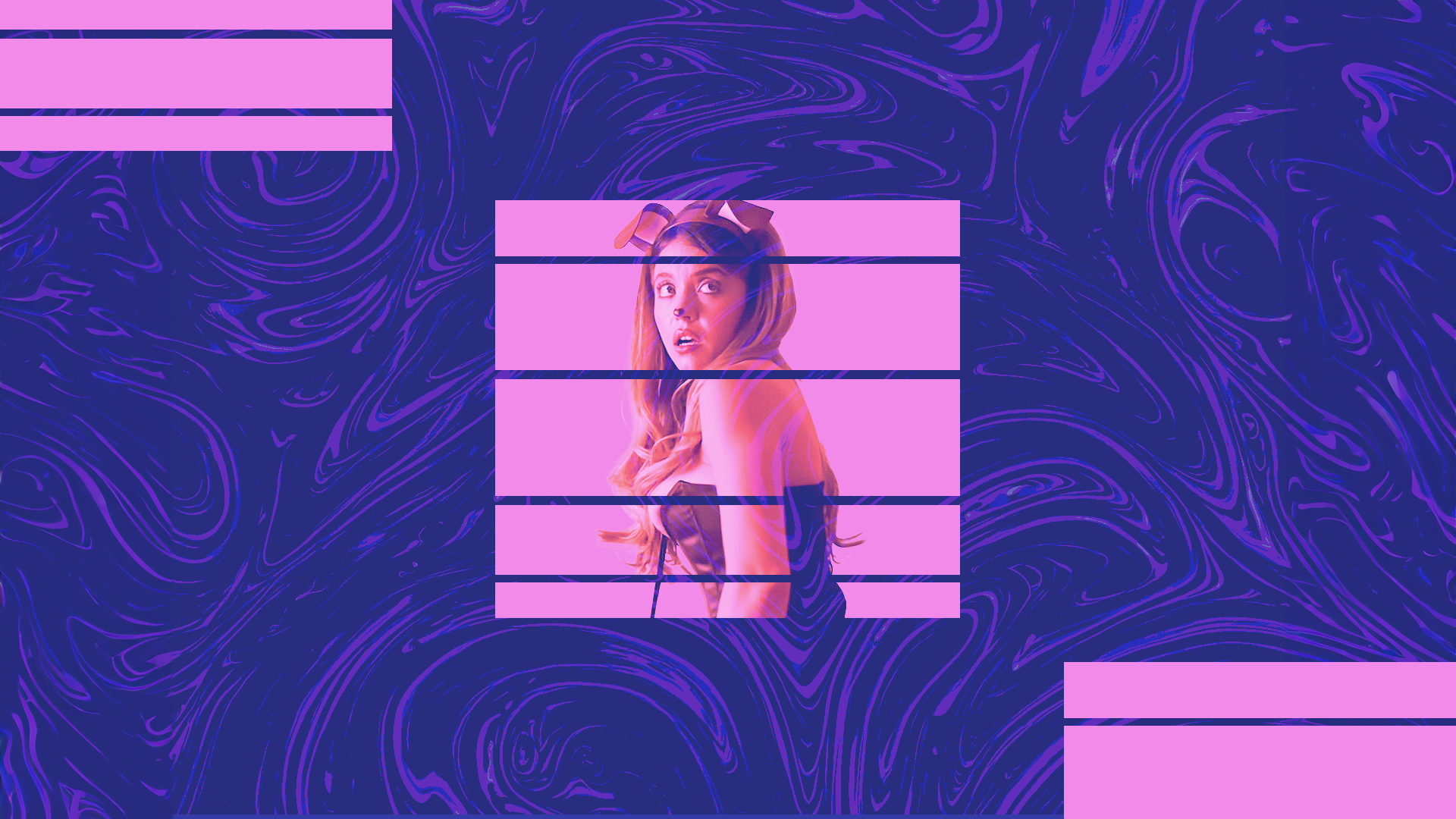
Cassie in particular, played by the constantly visible Sydney Sweeney, has suddenly lost all of her idiosyncrasies and personality. She was always a contradiction in terms of being both vain and insecure, but she’s now traded in her overbearing desire to be loved and seen for wanting material things. It doesn’t fit, and any time she’s on screen, it feels like the showrunners are speedrunning exposition to get her back in a sexy dog costume or bizarre baby outfit with a pacifier and panties.
Much like the manosphere itself, the show is definitely playing to the attention economy. So many of the scenes are clearly designed to be polarising and clipped up for social media, and almost all of these moments involve Sweeney. If you’re wondering where the engagement bait sits on the subtlety scale, watch the ‘You’ve been a bad, bad dog’ moment and decide for yourself.
It goes without saying, but the world of chronically online young creators earning millions through OnlyFans or livestreaming is a microcosm, not a generational norm. Because characters and content in this space have a propensity to go viral and take over feeds, you could be forgiven for thinking otherwise, but in no way is this an inherently Gen Z thing – nor is it relatable.
Early Euphoria was never realistic, but it had a pulse. This season’s early knockings are more like a collage of taboos stitched together by someone mistaking algorithmic provocation for perspective.
See also:
- Why Justin Bieber’s Coachella comeback resonated with Gen Z and angered millennials
- Are Gen Z angry at Kanye West?
- Why dynamic pricing is a constant Gen Z headache

🌍 Gen Z around the Web
the latest stories in youth culture and changing trends…
Why Gen Z have terrible sex lives (Vice)
What do our dopamine receptors prefer, sex or reels? Tough question. Vice reckons the latter is becoming the more popular choice and references a RiseGuide survey to support its theory. 39% apparently choose social media over sex at least sometimes, while 21% claim to do so often. Researchers are dramatically labelling this dilemma ‘The Great Unwanting.’ Given what we know about Gen Z being less sex-obsessed than our elders, the worrying thing is stats like these aren’t even surprising anymore. The algorithm has both heads on lock. Read more
That’s so Gen Z: One third of younger people believe they’re psychic, according to survey (Euronews)
Plenty of stories are slagging off Gen Zers for being most likely to claim they have strange psychic abilities from time to time. A study showed that, by all accounts, the younger the generation, the stronger this belief seems to be. Interest has spiked in tarot cards and astrology, while buzzy theories like manifestation and ‘delulu’ have a tendency to go viral. The grim part is that this is likely attributable to growing anxieties about the state of the world and trying to claw back some semblance of control. Not so funny now, eh? Read more
Gen Z is different from other generations – they choose active vacations (Gazeta Express)
Gen Z isn’t quite so bothered about all-inclusive piss ups in Turkey or the Spanish islands. A new study of 2,000 people aged 18-29 shows that most plan holidays around their fitness goals and prioritise physical activity. Given the office chair next to me is empty and my pal is off running a half-marathon in Athens, I can believe that. Experts say vacations aren’t synonymous with relaxation and excess anymore, and that plenty of young people set down a marker to stay in shape, be active, and experience something different. Fair enough, Sex on the Beach for one then. Read more
Why Gen Z and millennials are treating luxuries like necessities (Reuters)
Reuters says over 50% of Gen Z and millennials now see hobbies and interests as necessities, while 45% of Gen Z would cut long-term savings before giving up lifestyle spending. Looking at the state of the economy and how badly young generations have it, you’d be an arse to call it irresponsible. It’s not indulgent to want to live beyond rent and groceries, so don’t feel a pang of guilt for booking that trip on Klarna. Read more
Timothée Chalamet is wrong. Gen Z worships classical music at this special place (The i Paper)
Timothée had an absolute mare, we all know that. But the opera and ballet communities don’t want to remove their feet from his little neck just yet. The i Paper’s Michael Church delights in revealing that classical music is doing well: Prom sales averaged 90%, 41 concerts sold out, streams hit 6.1 million, and 40% of audiences were under 40. Marty has caught enough flak, surely, but it’s probably safe to declare that people do still give a shit about opera and ballet. Read more