






 0 comments
US social media startup ‘Locket’ is launching a new feature called ‘Rollcall’ that allows users to post photo dumps for up to seven days. The update is indicative of a wider Gen Z trend toward private social media feeds, but actually providing an economically-sustainable space to do this is very hard.

Viral social media app Locket has announced it will be launching a new feature called ‘Rollcall’ that gives users the option to share weekly ‘photo dumps’ with close friends. These posts are automatically removed after seven days.
Speaking to Business Insider, the company explained that it was tapping into a new way of sharing that resonates with Gen Z and Gen Alpha. Locket wants to prioritise actual, human posts that are shared between friends, rather than corporate content that now dominates the main platforms like Instagram, Snapchat and Facebook.
This move toward genuine connection shouldn’t be a surprise to anyone that follows Gen Z tastes and trends.
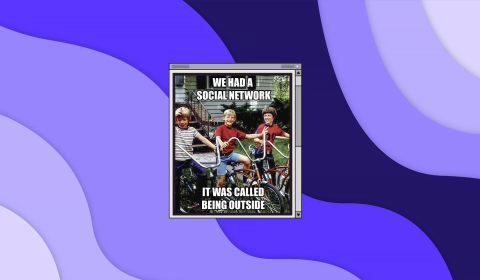
As we explored last week, Gen Z are building their own tools to combat loneliness and isolation, with more young people now looking for intimate, one-on-one experiences that foster connection. The days of Millennial oversharing on your main feed are dwindling, unless you’re an avid LinkedIn user of course.
This generational change partly explains the rise of BeReal, the startup from 2022 that absolutely exploded, promising the anti-Instagram experience that championed authenticity.
For those who don’t remember, the app would send a notification once a day to take a picture of whatever you were up to, with no filters, second takes, or curated feeds. It was fun – while it lasted.
By 2025 the buzz had all but died, perhaps serving as a cautionary tale to other platforms looking to bring in a young audience while also steering away from corporate content.
Social media apps have to be profitable and sustainable, which usually means bringing in advertisements and sponsorships once a certain number of users have jumped on board. This shift damages the overall experience and consumers often become disheartened.
Unless you’re one of the major platforms, it is extremely hard to keep users engaged when that trust is broken, and most migrate back to the regular, better-established sites in time.
Striking a balance between usability and economic necessity is immensely difficult and largely impossible even at the best of times. Given that Gen Z are pivoting away from screen time and are yearning for meaningful friendship, it can be hard for brands and companies to tap into a market that is resistant to commercialism.
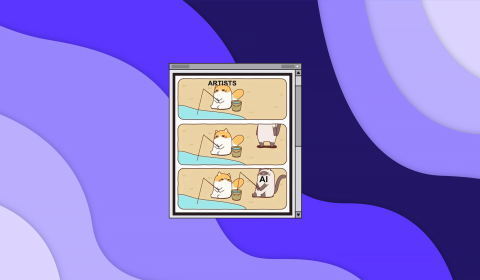
This is becoming even trickier as our feeds are flooded with AI images and video, making it more difficult to discern what is real, made by our friends, and what is just autogenerated visual nonsense. Just last week, ChatGPT’s image AI app Sora reported that it had been downloaded more than one million times in less than five days, suggesting that many creators are interested in using AI as part of their workflows long-term.
Photo dumping and private groups are an attempt to combat these kinds of platforms. We’re not saying that Gen Z or Gen Alpha don’t like AI – the opposite is true – but that they still value spaces that are trusted to be human, friend-focused, and genuine. When the two are mixed into one experience it can be jarring and off putting.
So, is it possible to make a social media platform that guarantees intimate connection while also making real money? Nobody really has an answer, unfortunately.
One approach is a subscription model. This allows companies to have a steady income stream from their users directly and also means that advertisers aren’t always necessary. Some of the big brands can do both, such as YouTube Premium, but it’s a hard sell when customers are used to a free service.
One need only look at the backlash Snapchat received after announcing it would begin charging for storage space to see just how hard it is to move into a paid system. Keep in mind that Snapchat is a big name with over 460 million daily users. If they can’t get people to pay, who can?
Just like BeReal, apps like Vine and even Google Plus (remember that, my fellow elderly Gen Zers?) are examples of great ideas that buckled due to a lack of any tangible business model. The truth is that the social media and tech landscape is immensely competitive. Cultivating a community that doesn’t want to be oversaturated while also creating a viable business has yet to be achieved by…well, anyone, as far as we can tell.
While Gen Z and Gen Alpha aspire to be authentic, they’re still adopting AI tools, embracing TikTok brainrot, and posting on Instagram. We all wish we were better at staying off our screens, but it’s largely an ideal and not necessarily a reality.
It’ll be interesting to see if Locket can stick the landing and come out on top over the long-term, particularly as Gen Alpha starts to have greater influence in the tech space. We’ll be watching with much interest, and trying to avoid getting sucked into the Sora AI content feeds in the meantime. Wish us luck?
See also: