Gemini leapfrogs ChatGPT on a wave of AI-generated 3D figurines – the verge
Have you tried Google Gemini’s image editor Nano Banana? It’s arguably superior to ChatGPT’s photo generator in many ways, capable of preserving the originally supplied photo while only adding what is asked for in a prompt. By contrast, ChatGPT changes certain features of images, especially faces, which can make using it as an editor frustrating and pointless. Nano Banana is shooting Gemini to popularity, with the app gaining 23 million users and transforming around 500 million images in the two weeks since the editing model launched. One of its trendy new features is its ability to create ‘lifelike figurines’ of people, pets, and more. Hopping onto this customisable trend could see Google could become the head honcho of generative AI very soon. In fact, it’s already sitting at the top of Apple’s App stores in the US, UK, Canada, France, Australia, Germany, and Italy.
After the Hunt co-stars Andrew Garfield, Julia Roberts, and Ayo Edibiri were left confused when an interviewer asked what they thought had been lost in a post-Me Too and Black Lives Matter era, now that both movements were ostensibly ‘done’ – but the journalist only sought answers from Garfield and Roberts, not Edibiri, who is a Black woman. Edibiri was praised online for politely interjecting with her answer, in which she said ‘I don’t think [these movements] are done at all. I think maybe hashtags might not be used as much, but I do think that there’s work being done by activists, by people, every day, that’s beautiful, important work that’s not finished. That’s really, really, really active for a reason.’ The interviewer has been criticised for edging Edibiri out of answering on this topic, proving in her actions that we are firmly in the midst of these eras – be it racialised violence, patriarchal aggression, or more subtle and insidious frameworks of inequality.
A new and dangerous kind of fame – the atlantic
The murder of conservative politician Charlie Kirk during an event at Utah Valley University last week has opened public figures eyes to the new level of danger they face. While political leaders and other celebrities have experienced stalking, physical threats, and even assassinations throughout the years, today’s digitally connected world is cultivating the perfect storm for spectators to form unhealthy obsessions and a falsely-perceived closeness to those in the spotlight. Kirk’s death has stunned the world of political commentators, especially those with large followings and strongly held views – whether it’s Hassan Piker, Candace Owens, or Ben Shapiro. Even leader of the UK’s Reform Party Nigel Farage stated in his tribute to Charlie Kirk in parliament, ‘There are limits to free speech – incitement. It’s not a left right debate, it’s incumbent on all of us to behave with personal responsibility.’
You’ve probably heard about the gigantic hole in the ozone layer, located over the Antarctic continent. The good news is, it’s getting smaller and should patch up completely in the coming decades – disappearing entirely by 2066 over the Antarctic, by 2045 over the Arctic, and by 2040 for the rest of the world. The UN’s World Meterological Organisation called its shrinking ‘welcome scientific news for people’s and planetary health,’ as well as a result of international action to reduce the use of ozone-depleting chemicals. It’s nice to have some good news for once.
Scientists tried to see if gut feelings could predict the future – popular mechanics
People always say ‘trust your gut,’ but should we? Scientists wanted to find out if precognition (the scientific term for a gut feeling that something will happen in the future) actually exists. They figured that if consciousness transcended time, reactions to a stimulus would occur before the stimulus actually appeared. To test this out, they hooked up people to EEG machines to study their brain activity while showing them prompts and images containing both positive and negative pictures. When a subject predicted a positive image, they hardly reacted, but there was a spike in brain activity when participants expected to see a negative image. The findings of this research were statistically significant, and since then, researchers have replicated his study successfully nearly three dozen times. Still, it’s unclear how exactly our gut feelings work… only that all the evidence suggests they do.
A commission established by the United Nations confirms what human rights organisations, lawyers, scholars, and activists have been saying for almost two years: Israel is committing genocide in Gaza. In a new report that looks at Israel’s activity since October 7, 2023, the commission claims ‘it is clear that there is an intent to destroy the Palestinians in Gaza’ and concludes that Israel has committed four of the five acts laid out in the Genocide Convention. It is the first time that such an explosive allegation has been made publicly by a UN body. In response, Israel’s foreign ministry labelled the report ‘distorted and false’ while accusing its authors of being antisemitic Hamas proxies. The commission has asked for nations to stop supplying Israel with weapons and says states have a ‘legal obligation’ to do everything within their power ‘to stop the genocide in Gaza’.
The world in a dress: the project with 1.5 billion stitches – positive news
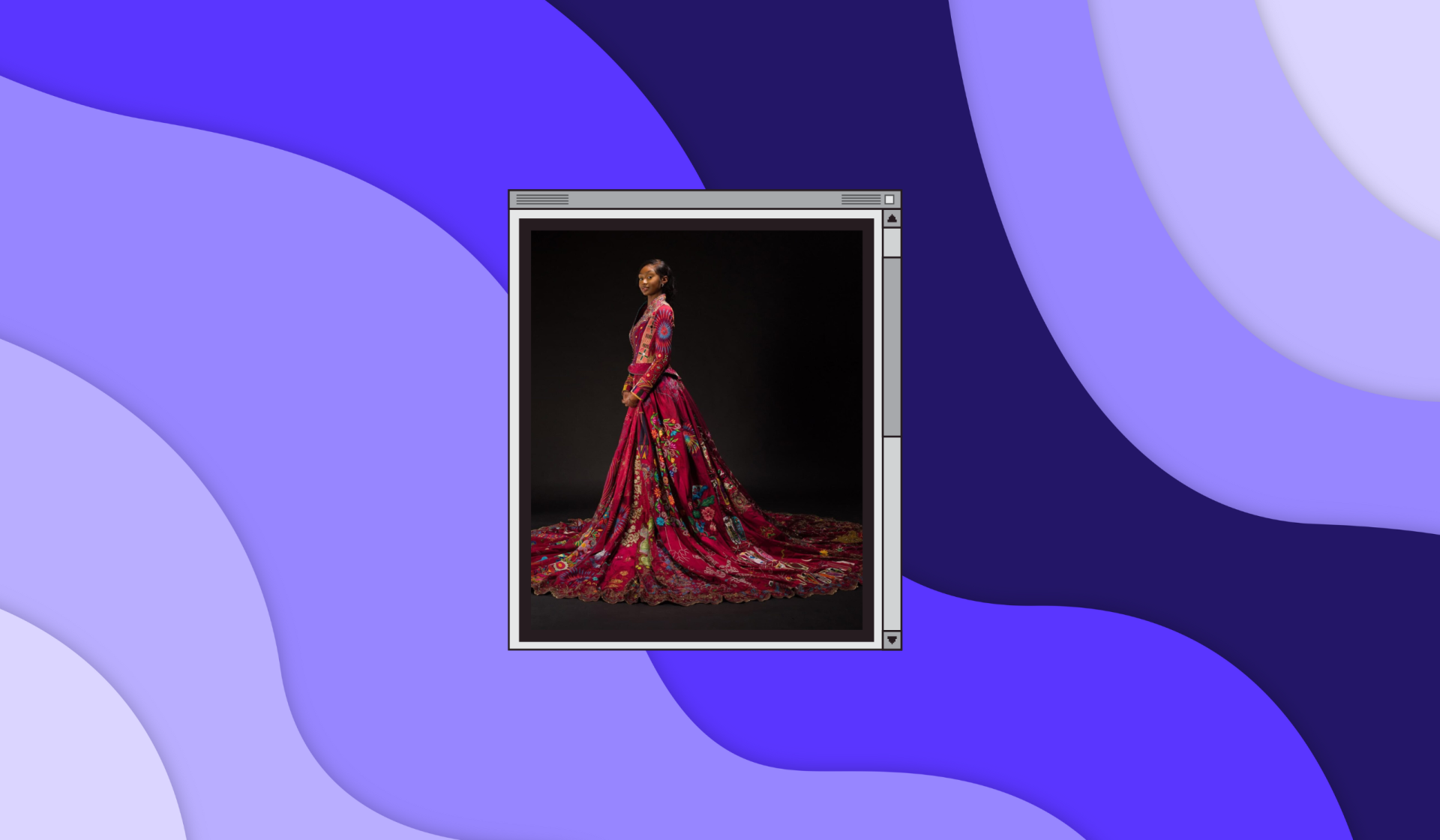
The Red Dress is a gown sewn by 380 embroiderers from 51 countries, who collectively added an estimated 1.5 billion stitches over the course of 14 years. Now complete, it will be recognised in Guinness World Records 2026 as the largest ever collaborative embroidery project. The Red Dress project was dreamed up by British artist Kirstie Macleod to allow people around the world to tell their stories through embroidery. From 2009, pieces of the dress travelled the world while it was being worked on. Made out of burgundy silk dupion, it has been embellished by 367 women and girls, 11 men and boys, and two non-binary artists. They included female refugees from Palestine, Syria and Ukraine, women seeking asylum in the UK from Iran, Iraq, China, Nigeria and Namibia, survivors of war in Kosovo, Bosnia and Herzegovina and Rwanda and impoverished and disadvantaged women in South Africa, Mexico and Egypt. All commissioned embroiderers were paid for their work and receive a portion of the ongoing exhibition fees and merchandise sales.
Have a lovely rest of your week and speak to you soon!

Thanks for reading and make sure to subscribe for the latest news on Gen Z and youth culture! Also, don’t forget to check out The Gen Zer for a weekly roundup of more trending insights, stories, and discussions.
































 0 comments