






 0 comments
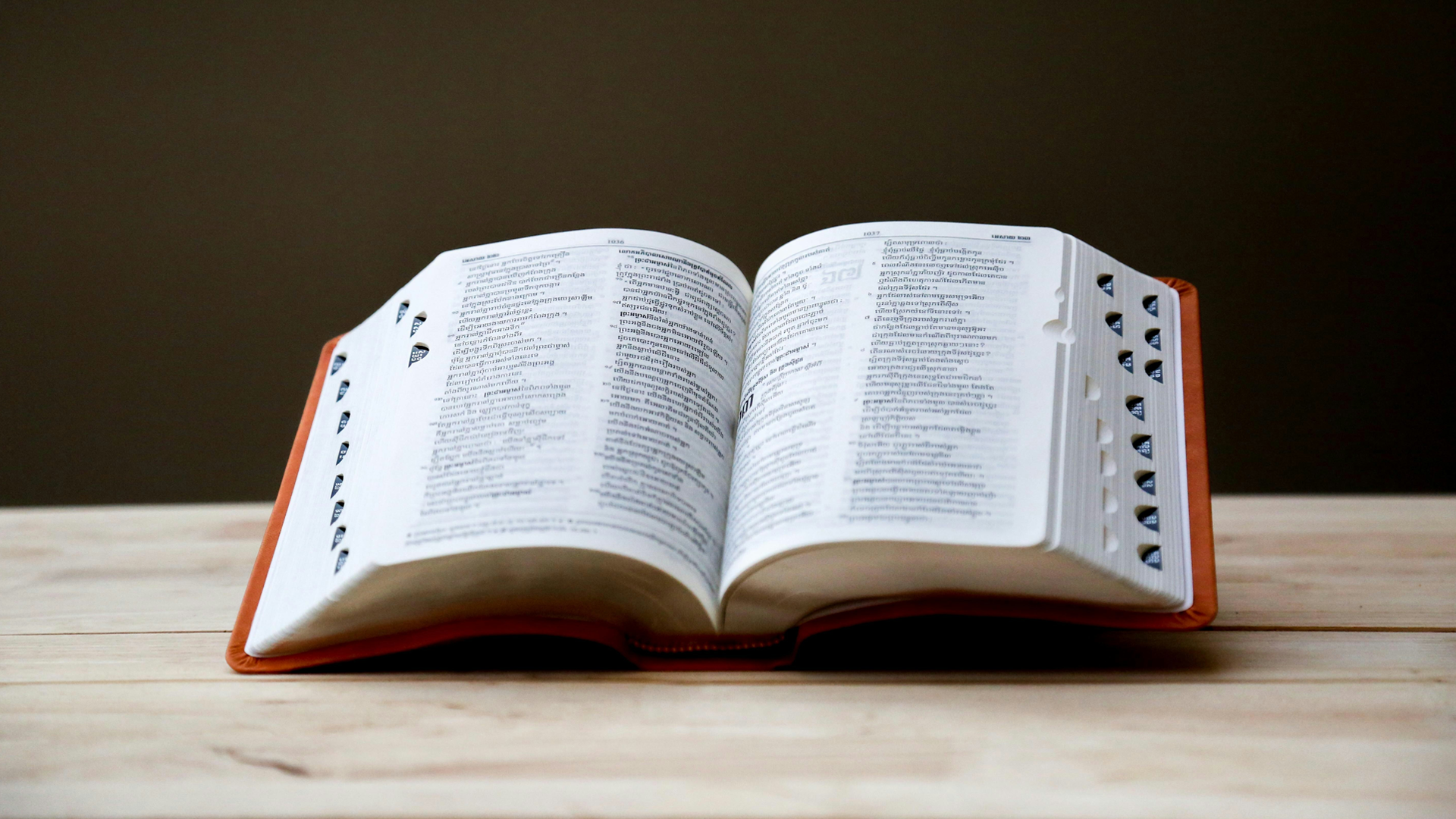
More than 6,000 new words have been added to the Cambridge Dictionary this year, including colloquial terms often used by Gen Zers on social media.
New slang terms adopted by Gen Z on social media have officially been added to the Cambridge Dictionary, including phrases such as ‘skibidi,’ ‘tradwife’ and ‘delulu.’
Announced on Monday this week, these words are part of 6,000 new additions to the online version of the publisher’s dictionary. Some definitions reference controversial TikTok trends and traditional gender roles.
Interestingly, the term ‘skibidi’ is described as having ‘no real meaning’ and can be used in a variety of different ways, both positive and negative.
These new additions to the Cambridge Dictionary indicate just how influential online culture and discourse has become, particularly with younger social media users who spend the majority of their day using screens.
The use of evolving language on TikTok and Instagram in particular is much wider than just a few isolated terms. Due to censorship and content restrictions, many commentors now use abbreviated words when discussing things such as mental health, self-harm, sex, or other explicit topics in order to bypass automated filters.
Words such as ‘unalive,’ ‘rizz,’ ‘corn,’ ‘ninja’ and many others are used with double meanings that convey certain messages without being taken down.
We’ve seen new words and emojis added to the official English language many times over the years, with older generations mostly responding with despair and ridicule. Yet, as history has repeatedly shown us, language is constantly evolving and changing, for better or worse.
Gen Z and Alpha are reshaping language to best suit their online needs, in much the same way as Millennials did in the noughties during the emergence of social media. There was once a time where phrases like ‘lol,’ ‘lmao,’ and ‘wtf’ were not the norm, if you can believe it.