





 0 comments
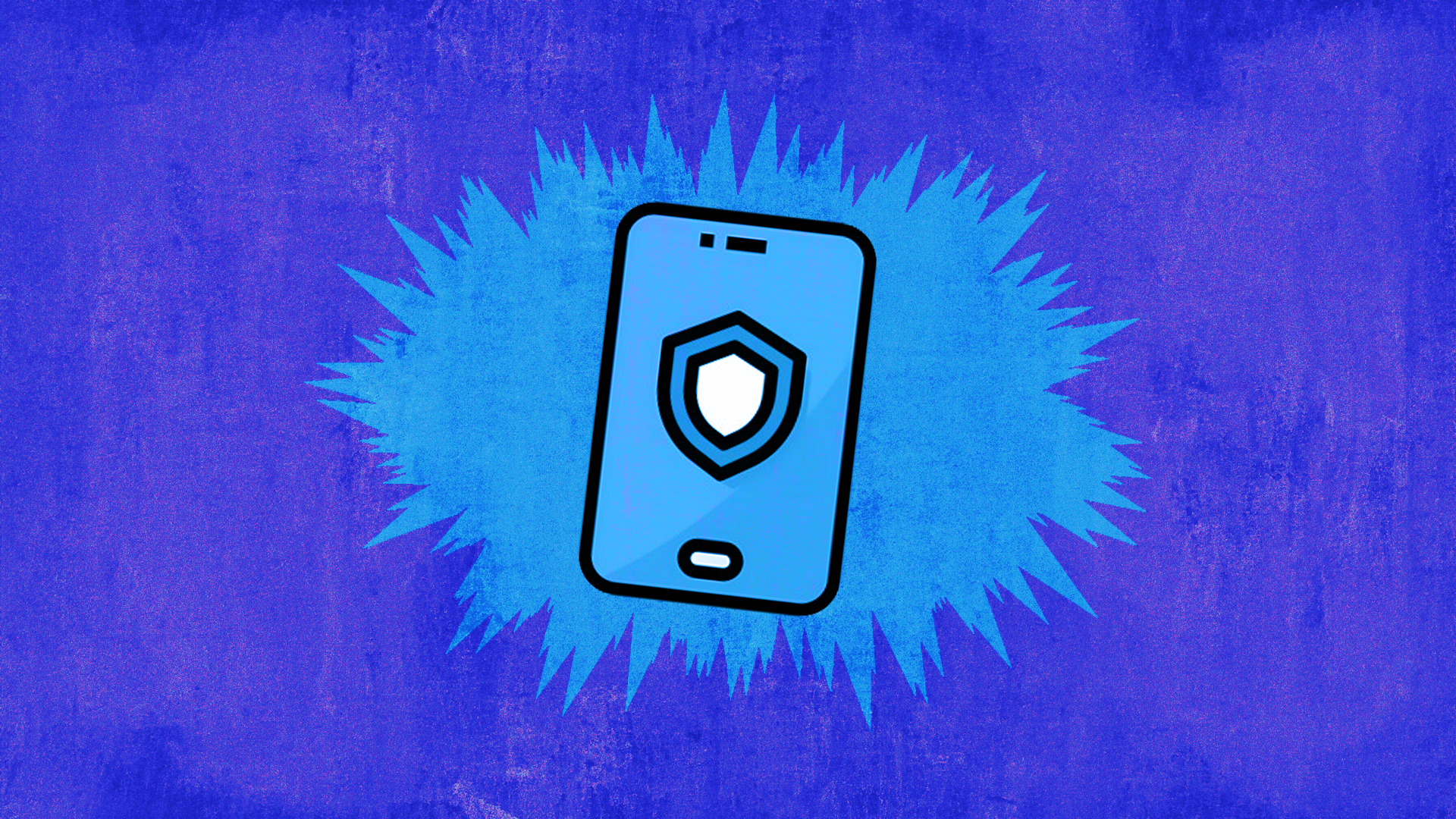
Gen Zers are making incremental life changes to ensure less private online data is handed out willy-nilly. It seems we take a ‘soft’ approach to rejecting everything now, and this is no different.

It’s far from a generation-wide movement, but there are several big indicators that young people are getting fed up of Big Tech stalking our every movement. A few simple life changes, akin to kicking fresh dirt over our footprints, are making us feel a little more comfortable with the whole landscape.
Back in the day, we put blu tack over our webcams as a little paranoid superstition. Now, we switch our live location to Albania.
While elder generations are largely resigned to a lack of privacy being the cost of convenience, our lot aren’t quite so chill about it all. VPN usage in the UK has more than doubled since 2020 among Gen Z — and it’s not just about watching porn after the Online Safety Act — while college group chats have quietly moved from public forums to invite-only Discords. Hold that, mum.
Alternative browsers like DuckDuckGo or Brave are also having a moment, crucially, because they make people feel less perceived on a daily basis. It’s the culmination of constantly being advertised that same ASOS item that you know damn well is still out of stock.
People aren’t exactly picketing Meta HQ, but the threshold for sharing stuff online has gone up significantly. 44% of teens claim to have deleted or significantly reduced their social media use over the past year citing surveillance, privacy, and anxiety – our generation’s three horsemen of the apocalypse.
Priv accounts are being deactivated, social media bios are being left blank, location tags are off, and there’s a concerted effort to clean up digital breadcrumbs we used to scatter everywhere. It’s not a full-on incognito mode yet, but we’re making algorithms work harder to gather their precious data. Deloitte’s latest figures show that 64% of Gen Z are actively concerned about how companies use their personal information.
It’s less about disappearing and more about choosing how and when to show up. Everyone and their dog has an ad-blocker of some sort, and we’re increasingly clued up on how to turn off ad personalisation on our phones. It’s low effort digital detachment, but these trivial acts give us a small feeling of control – whether that’s misguided or not (it probably is).
The thought of being ogled by data brokers was one thing, but now the lingering presence of AI LLMs wanting to scrape our searches and behaviours is doubly disconcerting. We’re a nostalgic bunch, but having grown up in the age of the ad-tech boom, we’re envisioning a less invasive future and taking baby-steps to get there.
Having said all that, there are some who will limit their Instagram story to ‘close friends’ while having their Snap Map permanently open like a neon sign. We call those people psychopaths.
Then again, it sums up the whole situation pretty well. We’re all making our own little tweaks to feel a bit less like sitting ducks while scrolling relentlessly — because, don’t get it twisted, we still love our phones too much to switch to burners.
See more:
- Gen Z is all about the National Trust in 2025
- Why are Gen Z suddenly so invested in stocks?
- Why are Gen Z craving a return to the office?