






 0 comments
TikTok mini-dramas featuring anthropomorphic fruits have taken the internet by storm. Should we be concerned?
AI has birthed some seriously strange phenomena. Whether it’s Victoria Beckham break dancing at her son’s wedding, or a video of the Gaza strip showered in gold casinos thanks to Donald Trump and Elon Musk’s entrepreneurial input (yep, that one did actually happen – and yep, the President of the United States did share it on social media).
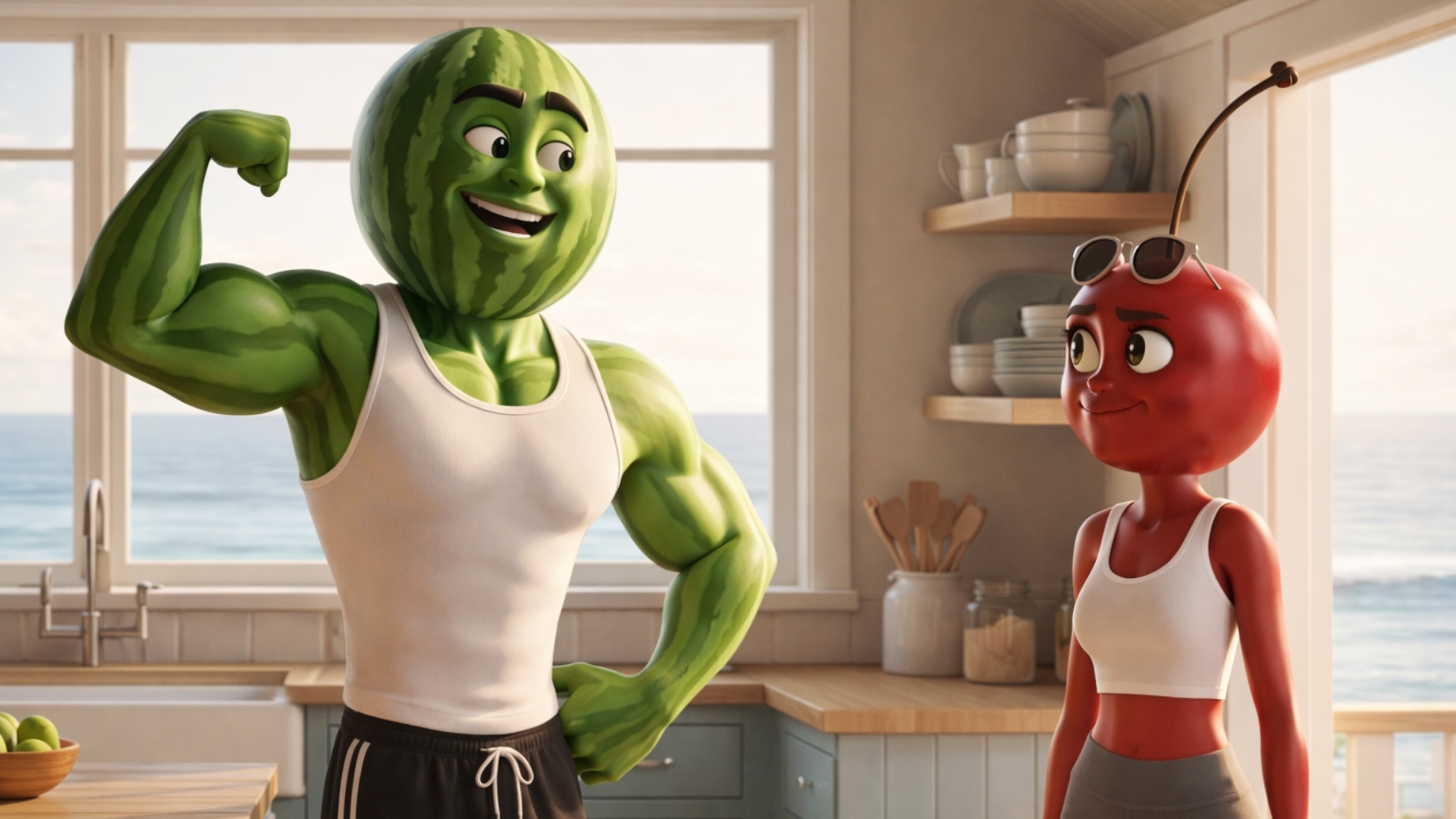
But the latest AI slop to take the internet by storm? That would be anthropomorphic fruit – specifically TikTok-based soap opera videos channeling the fruit and their love lives. It would sound ridiculous if it weren’t for the information ecosystem we now find ourselves in.
AI-generated content, often of poor quality and created with minimal human input, has become a regular source of entertainment. This ‘slop’ is easy to absorb and can be churned out almost instantly, meaning it feeds demand as quickly as it creates it.
But Nesrine Malik and other AI sceptics have voiced concerns about how this low-brow content is warping our sense of reality.
Even the most benign and pointless AI slop, like the fruit videos cropping up across TikTok, are causing us to ‘sleepwalk into disaster’. These telenovela style clips featuring humanoid fruits surmounting everything from infidelity to parenthood to the obstacles of poverty.
@healthy.ai01
With AI-generated designs, they can be produced and disseminated rapidly for a growing audience. And thanks to bright colours, easy-to-follow plots and speedy pacing they’re overloading our dopamine receptors. People just can’t. stop. watching.
As with anything on the algorithm, the more we watch the more we’re fed. And so the phenomenon of the fruit soap opera has become catnip for TikTok fiends.
Zein Karam argues that it’s the absurdity of these videos that keeps people watching, but they’ve quickly become a worrying marker of our attention economy. Hundreds of videos of fruit have been popping up on people’s feeds, often recreations of the same scenes with deteriorating quality ‘not that there was much to begin with, which is telling.’
‘These videos feel like industry plants,’ says TikToker @clios_World, who believes their pervasive presence on our phones – despite poor quality – is a sign of AI companies trying to catch our attention.
‘The rate at which they’re being churned out is suspicious, clearly prioritising quantity over quality, but this doesn’t feel careless; it feels calculated. So what is the endgame?’