





 0 comments
While Ticketmaster’s effective monopoly over the ticketing business persists, it has finally been forced to become more transparent about its ‘dynamic pricing’ mechanism – and we apparently have Oasis to thank.
Have you ever been moments away from securing gig tickets, only to see the price jump three-fold at the last moment? That, my friends, is called ‘dynamic pricing.’
Those fortunate enough to make it through server glitches and biblical queue times are likely to be confronted with significant price hikes at checkout, especially if the show in question is in high-demand.
This has become part and parcel of the Ticketmaster experience. Its parent company Live Nation holds an effective monopoly over the business – controlling roughly 80% of tickets for live concerts – and this means aspiring attendees are resigned to either forking over the asking price, or trying their luck with resellers.
This effective cash grab is justified as a means to actually these stop ticket touts from hoovering up admissions and selling them on at extortionate prices. In reality, however, the only difference is fans are now priced out by an official vendor or the artist’s management company. And what does it matter to us who makes the extra profit?
Dynamic pricing is undoubtedly a standard part of modern life. Try getting an Uber on Christmas Eve, and you’ll see how the fare is liable to change. But its role in ticketing events feels particularly exploitative, and the justification for price spikes in the hundreds (and sometimes thousands) feels brazen and exploitative.
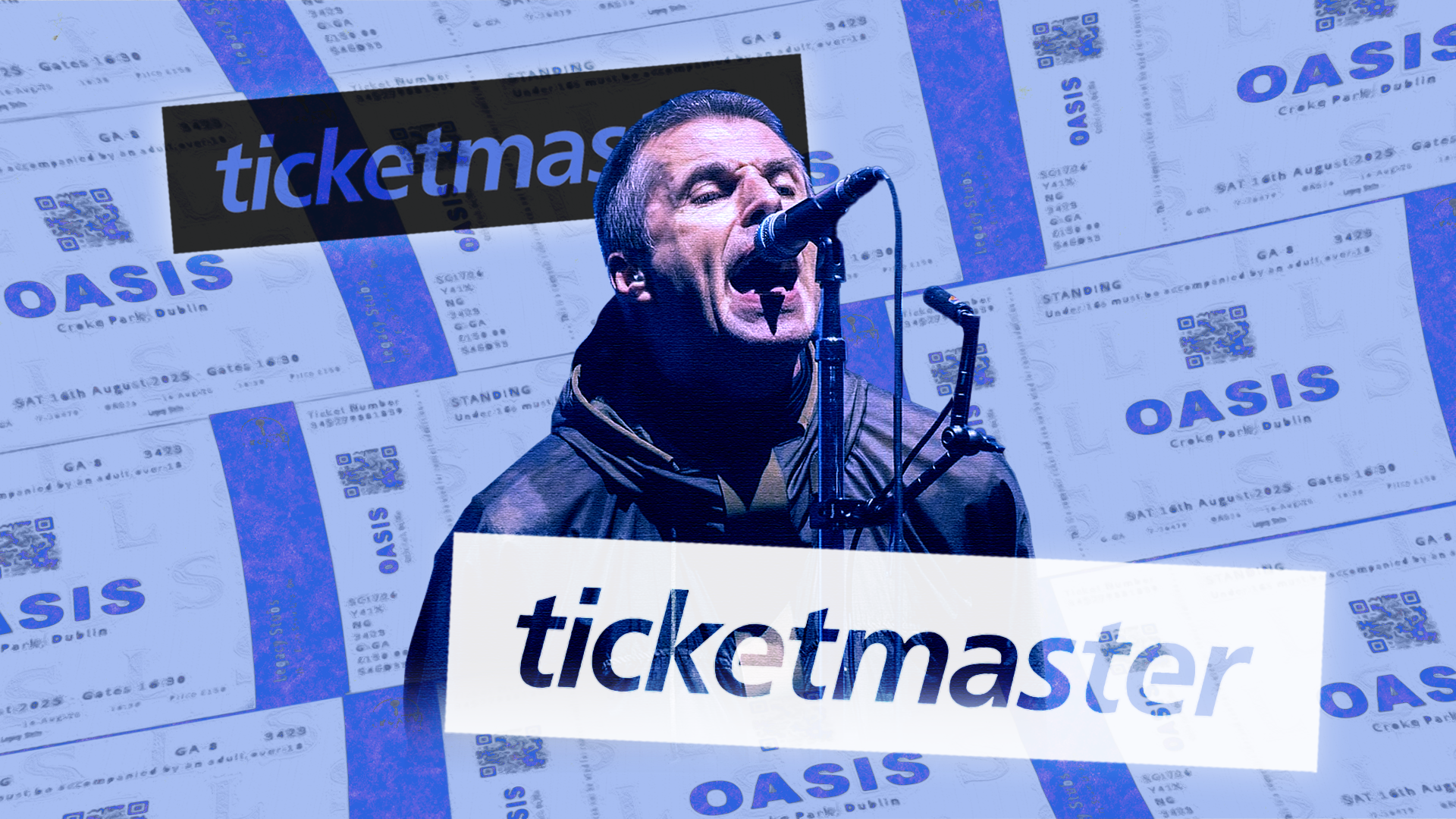
A fever pitch of frustration with the current system occurred late last year, almost immediately after tickets went on sale for the Oasis reunion tour. By the time fans reached the front of online queues, which took up to 10 hours for some, they had minutes to decide whether to go ahead with their purchase at more than double the initial asking price.
Certain seats were also randomly and ambiguously labelled, leaving many unknowingly waiting in the queues for premium seats at almost 2.5 times the value of standard admission.
The ensuing social media outrage was palpable and consumer complaints were filed at record pace, ultimately sparking the Competition and Markets Authority (CMA) to launch an investigation into Ticketmaster’s practices, and the mechanics behind its dynamic pricing.