





























 0 comments
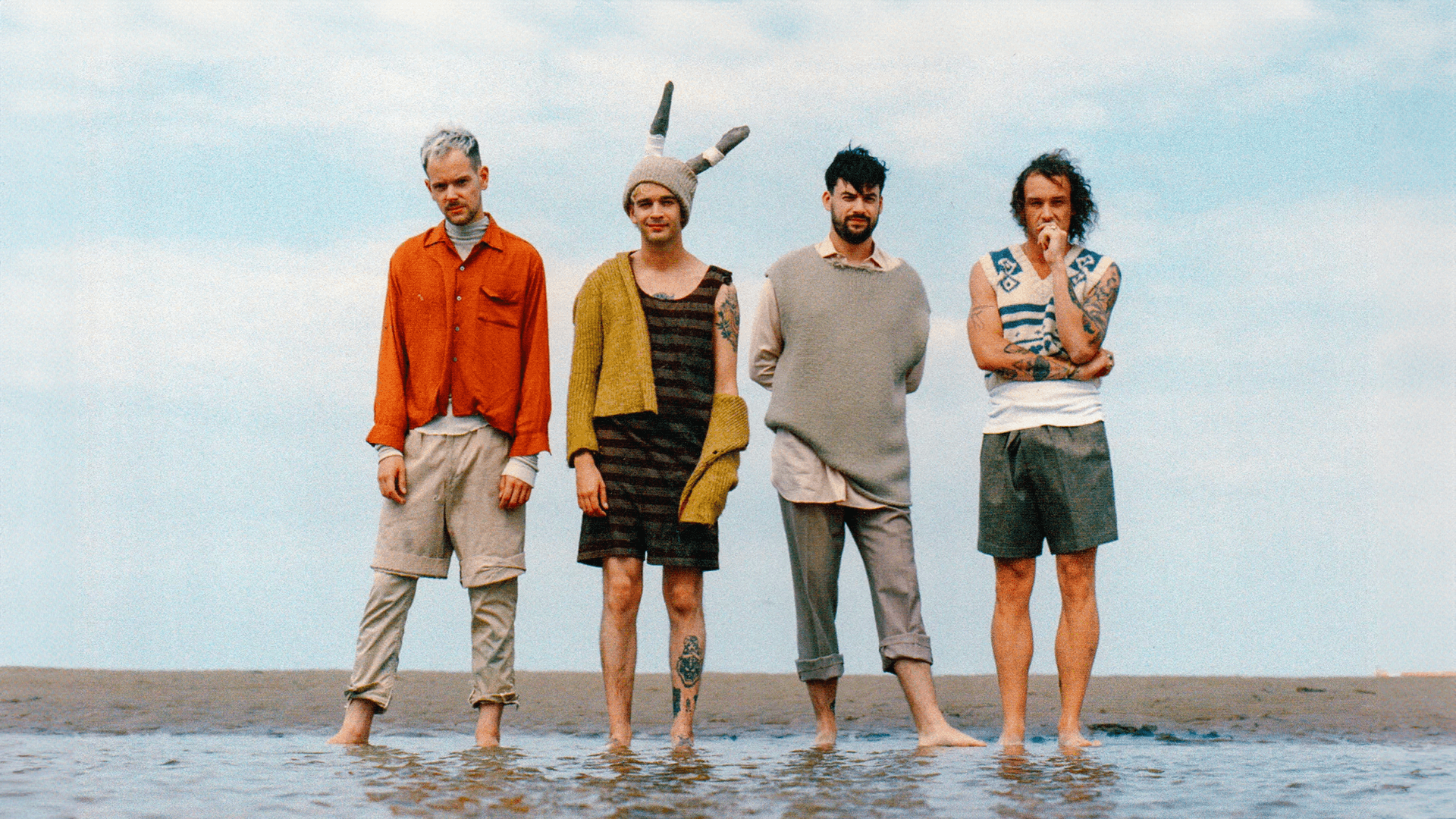
British alt-pop band The 1975 have removed the song ‘Human Too’ from their previous album on all streaming platforms. Frontman Matty Healy says it’s simply because he doesn’t like the track anymore. Should artists be allowed to do this?
The 1975 have removed one of their songs, ‘Human Too,’ from their last album, ‘Being Funny in a Foreign Language’ on all streaming platforms. This includes Apple Music, Spotify, and YouTube.
Fans rushed to the band’s Reddit page to express their concern and dismay at the move, so much so that band frontman Matty Healy addressed the decision in one comment thread; ‘Human Too was removed from the album so that [it’s] more how I want it to be. Previous physical release obviously remains the same.’
This isn’t the first time an artist has altered or tampered with their work post release.
Kanye West famously tinkered with and altered tracks across ‘The Life of Pablo’ in 2016, removing verses and ‘fixing’ tracks. His follow up project, ‘Ye,’ was treated similarly, with samples later removed from the opening song.
Should artists be allowed to go back and edit their work after it is already out? In our digital streaming age, do we really own anything? The relationship between the music and the listener is now far more fluid and dynamic compared to the traditional CD and vinyl formats.
The argument for changing albums post release
Altering art after it has been given to the public isn’t an exclusive thing for music.
Netflix often edits and changes shows in response to fan feedback, errors are taken out of productions in post, video games are constantly given patch updates, and even books can see altercations between different editions.
There is an argument to be made that music is the creation of the artists who record, write and produce it, and it’s up to them whether or not a particular version is final. It’s their vision and an extension of themselves; can we really tell them what they can do with the art they’ve given us?
Examining music through a traditional lens of albums and final track lists could be considered archaic in this day and age, particularly as only a slim few actually purchase music in physical form.
If consumers aren’t willing to fork out money to support a band, they don’t have the right to turn around and tell them what to change and when. They don’t own any part of the equation and therefore have no authoritative ground. Fans can be frustrated, sure, but it’s not on them to decide what happens with any given album.
The 1975 are famously fascinated by the internet age and what it means for art and the human experience.
Their third album is called ‘A Brief Inquiry Into Online Relationships,’ and the band regularly discusses the intricacies of our online world in their music.
It’s not absolutely wild to suggest that removing ‘Human Too’ from streaming services could be a thought experiment or a litmus test, to see how listeners respond to having a complete lack of agency over songs they may have become attached to.
Of course, anyone who bought the album on CD or vinyl will still have access to the track – and always will.