






 0 comments
Apart from the fact that TLS lacks the endearing country innocence of her first albums, the artful yet poppy lyricism of her mid-career work, and the surrounding celebrity/poetic wannabe characterisation of her more recent releases, it’s just bad. But the biggest mistake Swift has made in painting herself as an unrelatable showgirl? It just doesn’t fit with any of the versions of herself that Swift gave us to choose from.
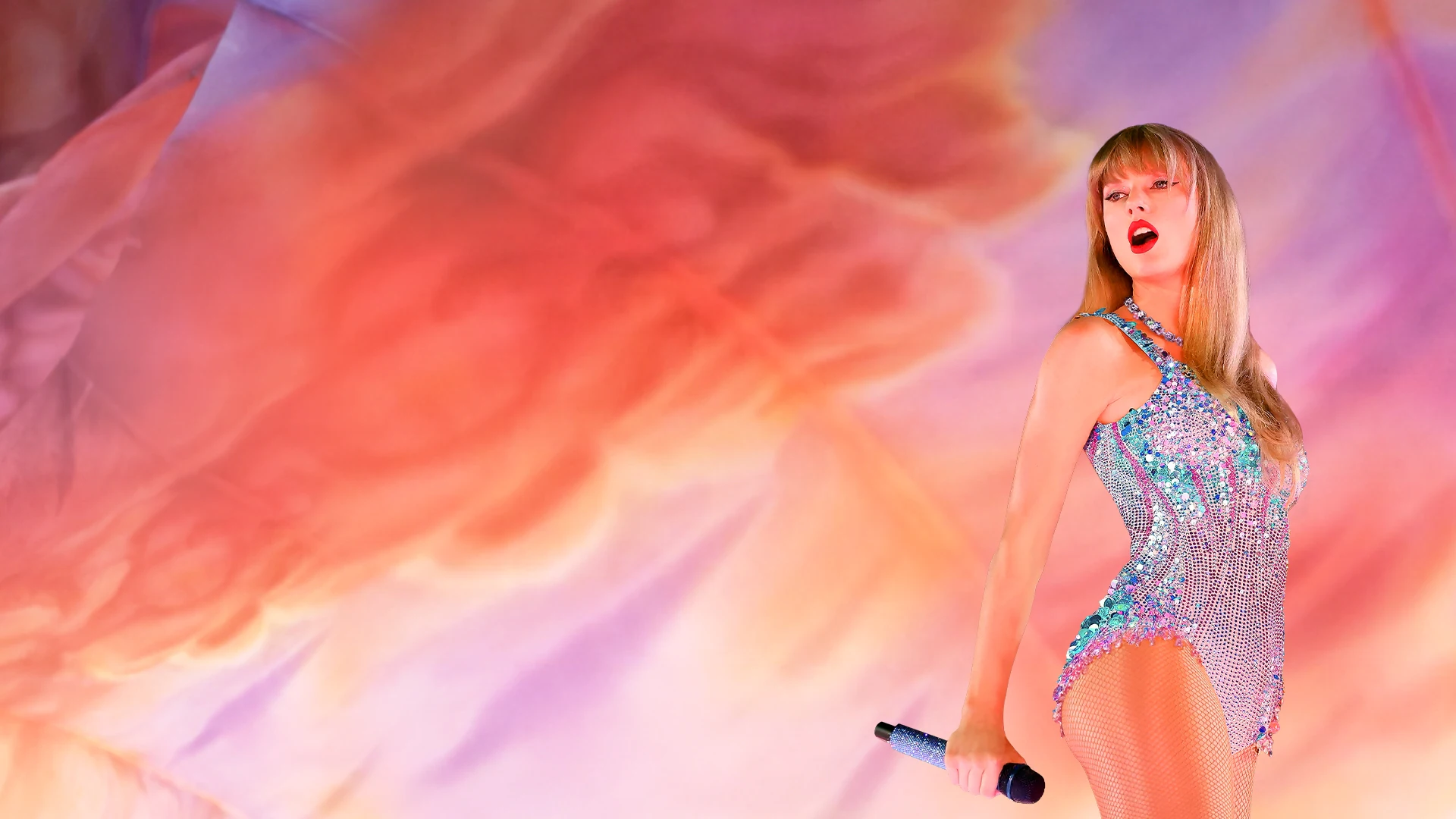
Grossing over $2 billion in tickets sales, Taylor Swift’s Eras tour lasted almost two years.
It consisted of 149 three hour long shows in 51 cities, across five continents. As the world’s youngest self-made billionaire until recently, attention wasn’t the only thing Taylor Swift was drawing in. Between March 2023 and December 2024, Taylor Swift dominated public attention.
But that all ended almost a year ago, and much in the same way that Eras themselves end, as has the unfaltering adoration of the pop singer herself.
Even during the first leg of her record-long tour, Swift upset fans with her dating choices when it was rumoured that she was dating 1975’s front man Matty Healy. Then, just before summer 2024 she released The Tortured Poets Department, which fans speculated was a rumination on the pair’s (possible) brief romance.
At the time of its release, and as Swift incorporated it into her tour, TTPD was perhaps her most polemic work. Some people saw it as an extension of the literary drama explored in her sister albums Folklore and Evermore. For earlier fans too, it was a return to the romantic melancholia of Swift’s original break up albums. It provided a wealth of tracks to belt out, now that many of us have actually experienced the heart break the country music star used to sing about when we were in our teens.
For others, however, it was lazy. Too overshadowed by the controversy of the star’s love life to be relatable. Too lacking, too, in the characteristic country twang that Swift had otherwise been able to revisit through the re-release of several of her earlier albums.
The life of who?
Yet, if the criticism for TTPD seemed harsh, Swift’s The Life of a Showgirl, released only a couple of weeks ago, makes the star’s previous album look practically irreproachable in comparison.
Released immediately in full, albeit with the characteristic easter-eggs dotted around beforehand, reviewers have slammed TLS, some of whom were previously die-hard Swifties.
In an effort to regard TLS as a piece of art rather than autobiography, I begrudge condemning Swift through her lyrics alone. Yet, it’s hard to ignore songs like CANCELLED!, in which she mocks accusations that she ‘girl-boss(ed) too close to the sun’ or ‘made a joke only a man could’. Once again, Swift is subscribing to a sexism-specific victimhood in order to justify her extravagant wealth.
Meanwhile, a 2023 study indicated that around half of her US fanbase have a household income below $50,000. And nor is that just women since, according to CBS news, almost half of her US fans are men.
For someone like Taylor Swift to claim that she’s been somehow disadvantaged, because she’s a woman, is preposterous. Rather, her ability to, like many other female celebrities, successfully monetise her femininity is due less to her talent, and more to her relatively well-placed starting point.
Swift is the daughter of already wealthy parents, and her dad reportedly bought a stake in Big Machine Records when the Swift family moved to Nashville to support Taylor’s career. If she is girlbossing ‘too close to the sun’, it’s because her father’s wealth gave her the opportunity to be up there.
While most Swifties will never have the Reputation Swift complains of having had slandered through public criticism, many of us know how it feels to want someone we desire to desire us back. Likewise, it’s highly improbable that we’ll have to rerelease our work to claim compensation on our creative assets.
But the various iterations of (Taylor’s Version) gave us an opportunity to revel in the nostalgia of our soundtracked youth. Even if they are contained within the byproducts of those particular displays of capitalism.
By contrast, TLS offers little more than clumsily constructed lyrics, a poorly executed performative reading of one of literature’s greatest and most renowned playwrights, and melodies which are less catchy than they are boring. Perhaps worst of all are the unintelligent and not-so-subtle references to Travis Kelce’s dick.
Critics have torn into the 30 something pop-star’s latest release to call her out as a privileged celebrity. Swift herself has batted away the Bad Blood. Citing the number one rule of showbusiness, she said: ‘if it’s the first week of my album release, and you are saying either my name, or my album title, you’re helping’.
And this isn’t just about the What About Me Effect either; Swift herself has commented that, as an entertainer, her job is to ‘hold up a mirror’. If her music is no longer providing her fans with a relatable listening experience, it’s because she’s prioritised the money her career brings in over the fans who’ve made it possible.
Swift may think she’s beating the critics at their own game. However, her blatant focus on financial remuneration over fan connection does little to dispel the subjective reality that this album is just another lazy effort to extract as much money as possible.
Selling more than 4 million equivalent album units in the first week alone, the pop star will have no trouble maintaining her billionaire status.