






 0 comments
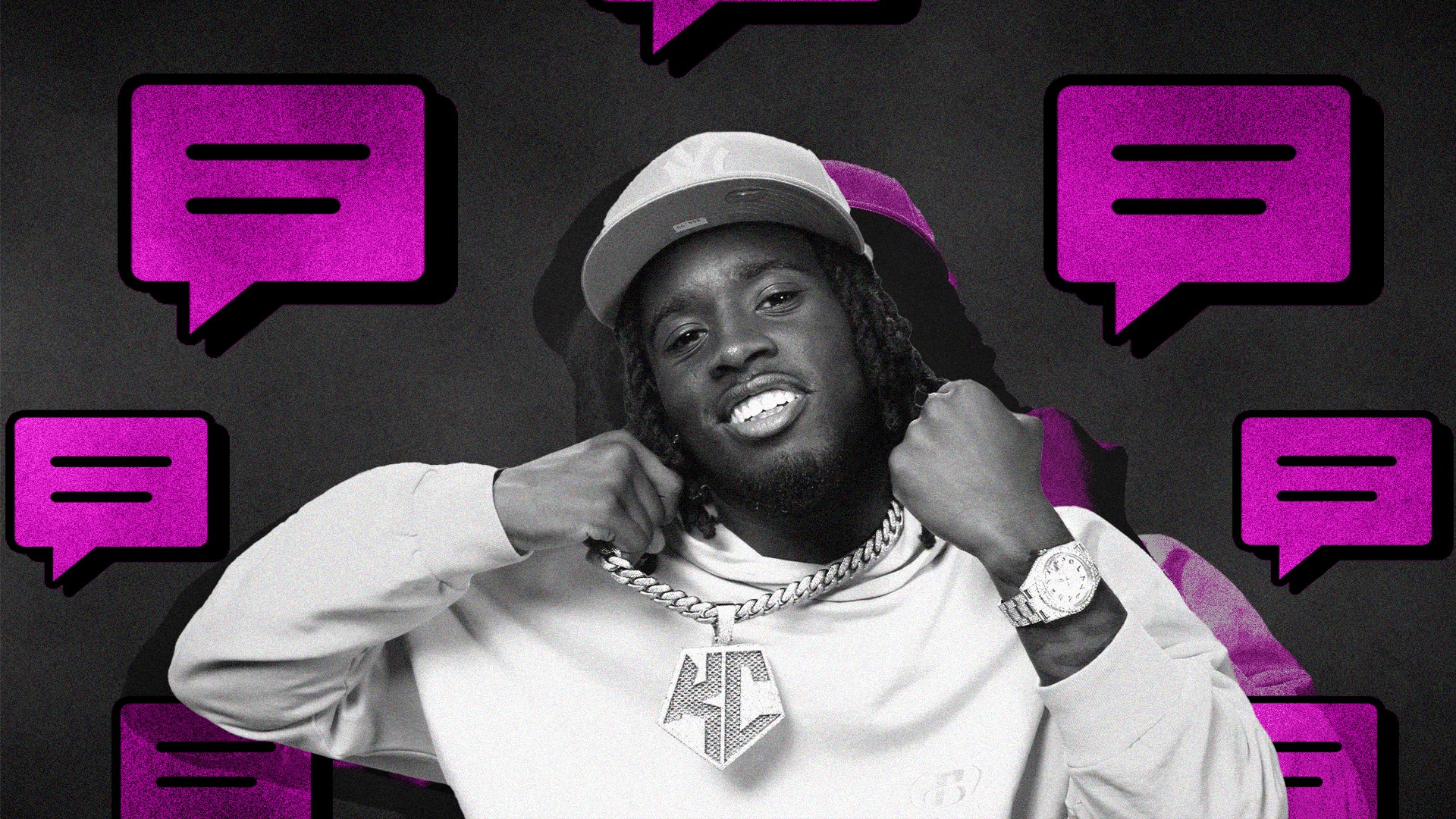
Kai Cenat is under scrutiny again, but this time it’s not about setting off fireworks in his room or being shite at Elden Ring. It involves a school in Nigeria, and we’re trying to find the line between philanthropy and clout chasing.
Earlier this year, Kai travelled to Nigeria with fellow creators Fanum and Duke Dennis. During the visit, he revealed he’d funded the construction of a new school, with footage showing excited students, new classrooms, and a plaque bearing his name.
It was framed as a feel-good moment – a big name using his platform to give back. Unlike the Sadio Mane’s of this world, however, the narrative around Kai has started to swiftly unravel. As always, the internet wants some answers.
While Kai framed the project as a success, online commentators and fans have voiced skepticism. YouTube critics have claimed there’s been little visible progress despite large sums being raised, while others question whether the funding and planning are as solid as first presented.
Critics are now rightly questioning whether the school was ever a sustainable project, or just a PR stunt to look good on camera and garner favour on socials. This has reignited an ongoing conversation about influencer charity, and whether acts of supposed philanthropy from people in the space should come under greater scrutiny.
Currently, the online debate is split. Kai’s defenders argue he donated in good faith, that he wasn’t responsible for maintaining the school after the cameras stopped rolling, while others feel he used the visit primarily for content without following up to ensure the kids benefited in any tangible way.
The situation has shades of previous controversies frankly too numerous to mention. MrBeast has an entire rap sheet for hyper viral donations, and other household names have pricked suspicions for altruistic acts overseas. It’s becoming an increasingly relevant conversation, and the argument that any act of charity is commendable is continually proven to have more holes than a hedgehog’s pillow.
Unlike some previous cases, there’s little doubt that Kai’s intentions were pure. He’s proven to be affable and charming when dealing with fans in public – including our own Luke Smith at Cannes – and though sometimes controversial, his mishaps usually appear to be born out of naivety and overexcitement, rather than malice or insidious scheming.
Nevertheless, the excuse of youth and gullibility can’t protect one from accountability, especially when they happen to exert as much influence as Kai does. Impulse doesn’t work with charity, especially if you’re building something from the ground up – like a school.