






 0 comments
Literary purists are on the rampage over Emerald Fennell’s upcoming adaptation of the gothic novel. But why do modern takes on historic literature so often spark backlash?
Wuthering Heights may be one of the most famous books ever written, but Emily Brontë’s singular masterpiece has proved near impossible to adapt for the modern age.
Fraught with violence and deeply complex explorations of love, grief, class and intimacy, fans of the novel are deeply protective of its content – meaning film and TV adaptations have drawn immense backlash.
None more so, perhaps, than the latest take – born from the imagination of Emerald Fennell. The director’s film Saltburn sparked heated debate over its left-field sexual content and violent themes, both signatures that Fennell has brought to Wuthering Heights. Only it seems Saltburn walked so the latter could run.
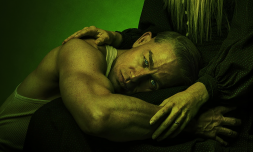
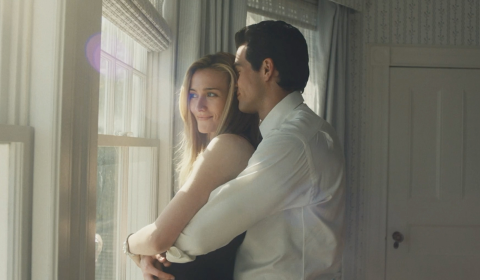
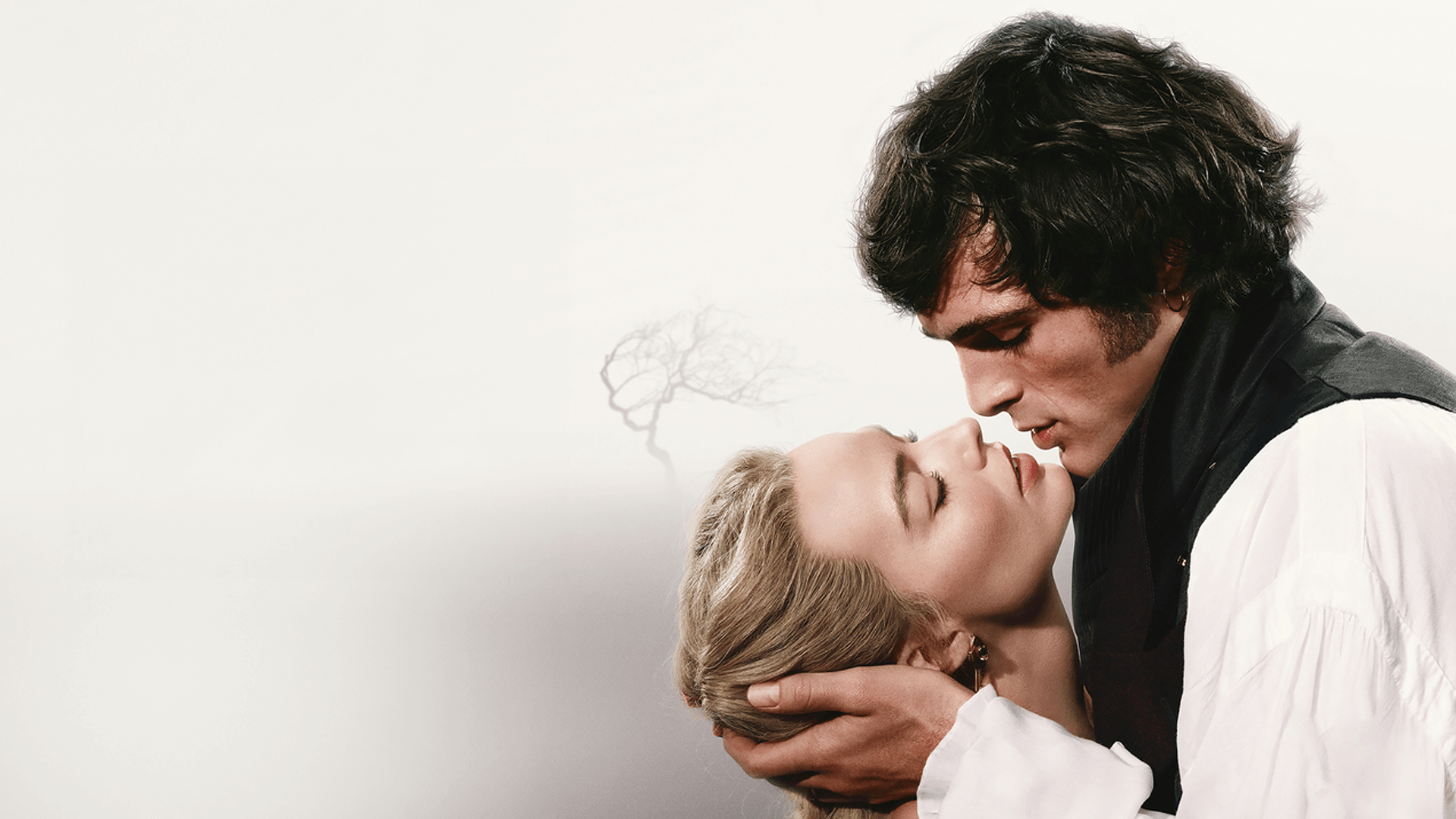
The upcoming take on Brontë’s work faced criticism from the start, when the casting of Margot Robbie as Catherine and Jacob Elordi as Heathcliff was first announced. Audiences pointed out that Catherine is just a teenager in the book, making Robbie decidedly too old to play her, while noting Heathcliff’s ‘dark skin’ had been whitewashed by Elordi.
But that was just the tip of the iceberg. When the trailer dropped, it was clear Fennell had no qualms with straying from the original text. With overtly sexual themes to vivacious costumes (Robbie’s Catherine appears in several latex dresses) and a Charli XCX soundtrack, the 2026 Wuthering Heights has already pushed the envelope when it comes to literary adaptations. And fans aren’t necessarily happy about it.
Audiences got a closer look at the film’s costumes earlier this month, which added fuel to the online fire. Comments were divided between love for the ostentatious looks and a bitter resentment for what some deemed an ‘offensive’ re-telling of Brontë’s novel. Beneath an image of Robbie in a sheer holographic gown, one user wrote ‘the upcoming Wuthering Heights film has committed many sins but none as atrocious as this dress.’
Jacqueline Durran, the costume designer behind the controversial outfits, defended the creative decisions in a recent Vogue interview. According to Durran, the wardrobe choices were not meant to be perfect period dressing, but instead nods to iconic fashion designers like Alexander McQueen and Thierry Mugler, as well as an amalgamation of Elizabethan and Georgian fashions.
Durran’s interview raises a question that crops up each time a famous piece of literature is adapted for the screen – how important is historical accuracy? And why are we so hellbent on preserving it?
The concept of an ‘adaptation’ surely leaves room for creative exploration. Defending the upcoming film, Fennell has even explained the quotation marks in her version’s title.
Describing the deep love audiences have for the book, a love that she shared when she first read Bronte’s novel aged 14, Fennell said she understands her version will never be the same as the original.
‘I can’t say I’m making ‘Wuthering Heights’, Fennell said in a recent interview. ‘It’s not possible. What I can say is I’m making a version of it.’
Casting criticism I can understand – especially given Heathcliff’s storyline hinges largely on his racial background. But while modern interpretations often lean toward the character’s non-white origins due to descriptions such as ‘dark-skinned’ and ‘gypsy’, his ethnic identity is ultimately ambiguous in the book.