0 comments
A new album and three-night headline show suggest the rapper formerly known as Kanye West has emerged from his wrongdoings unscathed.
When Ye announced his twelfth studio album, ‘Bully’, over a year ago, few fans held their breath.
The artist has become one of the most contentious figures in modern pop culture. Controversy seems to be the raison d’être for a man who is constantly reinventing himself. Ye’s many eras have involved a highly publicised marriage to Kim Kardashian, an infamous name change, and plenty of empty promises as his self-manufacture grew more extreme.
So ‘Bully’ was already a question mark in the public discourse. That was before Ye described himself as antisemitic on X and released a track called ‘Heil Hitler’, an ugly tirade that was to overshadow all past and future projects.
Since then, Ye has pursued some form of redemption arc, the apex of which was a full-page apology in the Wall Street Journal, where Ye wrote that a 2002 car accident had irrevocably damaged his brain, worsened his bipolar disorder, and led to ‘poor judgment and reckless behaviour.’
For many of Ye’s former followers, the damage was too great, and any attempts at a comeback were dwarfed by his abhorrent behaviour. Some have written the artist off completely, and depending on who you ask, Ye has been noticeably absent from the zeitgeist for some time – his regretful cries flying around fruitlessly in an echo chamber.
New week, new charts 📊 pic.twitter.com/SmVVHxL4PY
— Spotify (@Spotify) March 31, 2026
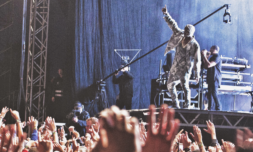
To those individuals, Ye’s sudden resurgence in the past week will come as a discomforting surprise. Turns out ‘Bully’ was a real album, and it launched on Spotify and Apple Music on 28th March. Not only that, but shortly after the release, Ye was announced as the headliner for Wireless Festival in London. He’ll perform three shows over the festival’s entire three-day run.
So, it seems, music’s most criticised figure was born anew. For all intents and purposes, Ye had been redeemed and forgiven. Even if his critics retain a festering hatred; even if everyone involved in his comeback tears apart his character behind closed doors, it doesn’t matter. Ye will make a lot of money from this next chapter. Early figures show ‘Bully’ has already amassed millions of streams on Spotify, and he remains the 10th most-listened-to artist on the platform.
News of his Wireless shows has also garnered a positive response online, where fans are already clamouring for presale tickets.
Ye’s return throws up a flurry of ethical questions and revives the complicated debate around how we separate the art from the artist – if, in fact, they should be separated at all. Plenty of media outlets have already studied ‘Bully’ to determine whether it warrants Ye’s redemption. Reviews of the album read as moral checklists, searching for the defining factor that will ultimately tell us whether it’s okay to listen to, or enjoy, his new work.
YE LIVE AT WIRELESS. FINSBURY PARK. LONDON.
THREE NIGHTS…
10 JULY
11 JULY
12 JULY★ 48hr @PayPalUK presale: 12PM BST Tue 31 March*
★ Wireless presale: 12PM BST Tue 7 April – Sign up in our bio for access
★ General onsale: 12PM BST Wed 8 April@PepsiUK pic.twitter.com/p200lgktdL
— Wireless Festival (@WirelessFest) March 30, 2026