






 0 comments
During the Russian invasion of Ukraine, thousands of Africans became the target of numerous deceptive recruitment practices, leading to hundreds of deaths.
During this year’s parliamentary intelligence briefing in Kenya, it was reported that over 1,000 nationals, who were lured by the prospect of high-paying jobs, were recruited and deployed to fight with no training and no clarity about their roles.
Such is the case with the ongoing Russia-Ukraine conflict, where the nefarious recruitment has received widespread attention.
The ‘enlistment’ also differs from the traditional model of mercenary recruitment. Today’s practices are highly elusive and opaque, relying heavily on digital technologies and informal recruiters.
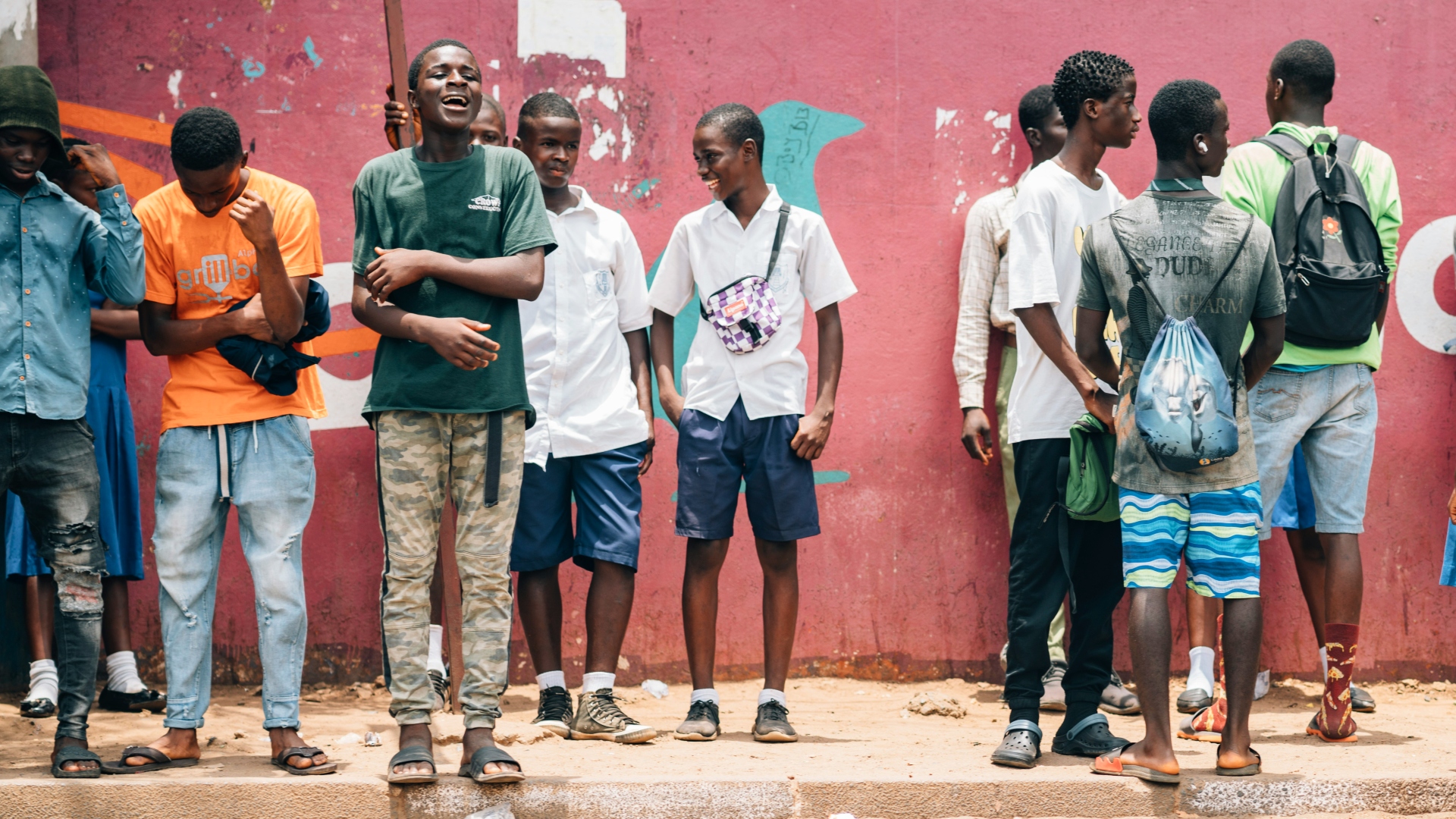
Potential enlistees are easily identified on social media, employment recruitment sites, community networks, and even informal travel agency networks, all in the hope of securing a financially rewarding career in an uncertain economic climate.
For many young Africans, monthly salaries that are significantly higher than their market earnings are enticing. Some advertisements presented at intelligence reports in Kenya’s parliament describe salaries that are many times above local averages of jobs in security, logistics, or construction. What these advertisements fail to mention is that the job offers are military enlistments.
It’s reported that many of those recruited to military service were able to enter Russia by obtaining a combination of tourist visas and travel to other countries, such as Turkey, and the United Arab Emirates, or even Uganda, before arranging to meet recruitment handlers.
Once in Russia, they were required to sign contracts written in Russian language that committed them to military service, often entirely without explanation or any open dialogue.
While the Russian government argues that actively recruiting foreign fighters is legally permissible under voluntary military service laws, and some international reports appear to support this claim, intelligence and foreign ministry assessments paint a different picture.
They describe a system defined less by genuine consent and more by ambiguity, pressure, and forms of entrapment that blur the line between volunteering and coercion.