The 2021 United Nations Climate Change Conference, or COP26, is taking place in late October and early November. Here’s what you need to know.
Forget Glastonbury, Coachella, or even the Olympics, everyone knows what the biggest event of the year is – COP26.
It may be less flashy than the world’s major music and sports festivals, but the 2021 United Nations Climate Chance Conference is a very big deal. COP26 will incorporate nations from three previous conferences into its meetings, including the UNFCCC, the Kyoto Protocol, and the Paris Agreement. 197 signatory parties in total are involved.
Nations aim to determine how they will honour the goals outlined at the 2015 Paris agreement, as well as set out clear, concrete plans for moving forward into this decade. All countries need to commit to ‘reaching net-zero emissions as soon as possible’ with ‘significant cuts by 2030’.
It is taking place in the UK this year, with David Attenborough serving as the People’s Advocate. Check out his announcement video below.
This year’s event is being considered a ‘successor to COP21’, and will be used to address what has and has not been achieved thus far since those original promises in 2015.
The UKs aims as host are four-fold. The first is to push all countries to set net zero emission targets, and set further goals for 2030.
Additionally, it wants to formulate plans for countries to adapt to the impacts of climate change, lessening the potential for human disaster, which is probably worth thinking about given the state of our weather patterns over the last few years.
It also wants to encourage rich nations to provide financial backing to poorer parts of the world, helping them cut back on emissions and create greener ways of producing energy.
Finally, the UK is pushing for civil society to take stronger roles in climate talks, and is encouraging the general public to be more involved and active in discussions, hence David Attenborough’s involvement.
So, expect plenty of discussion around financial aid, adaptation solutions, and realistic targets that can keep things below the dreaded 5C threshold for global temperature increases. The less likely we are to cook Earth up into a fiery, nightmare-fuelling dystopia, the better.
How urgent are the talks this year?
COP26 couldn’t come at a more urgent time in modern history, to put it frankly. We’ve seen real-time consequences to global temperature increases become more prominent over the last decade, making rapid action vital.
Whether it be continual, routine forest fires, record-breaking hot days every year, or flash flooding, extreme climate events are becoming the norm. Just this year alone Canada saw heat waves of near 50C, breaking previous highs from 1937.
Climate scientists are warning us that we have to do something significant soon if we’re to avoid worst case scenarios. While fossil fuel consumption did dip slightly in 2020, carbon emissions continue to rise every year.
Even a brief glance at the facts and reports indicates that not enough is happening and politicians around the world are failing to fully get a grip on their pollutive actions.
The UN Paris agreement in 2015 presented very ambitious and potentially unattainable goals for climate emissions, most of which have yet to be remotely honoured.
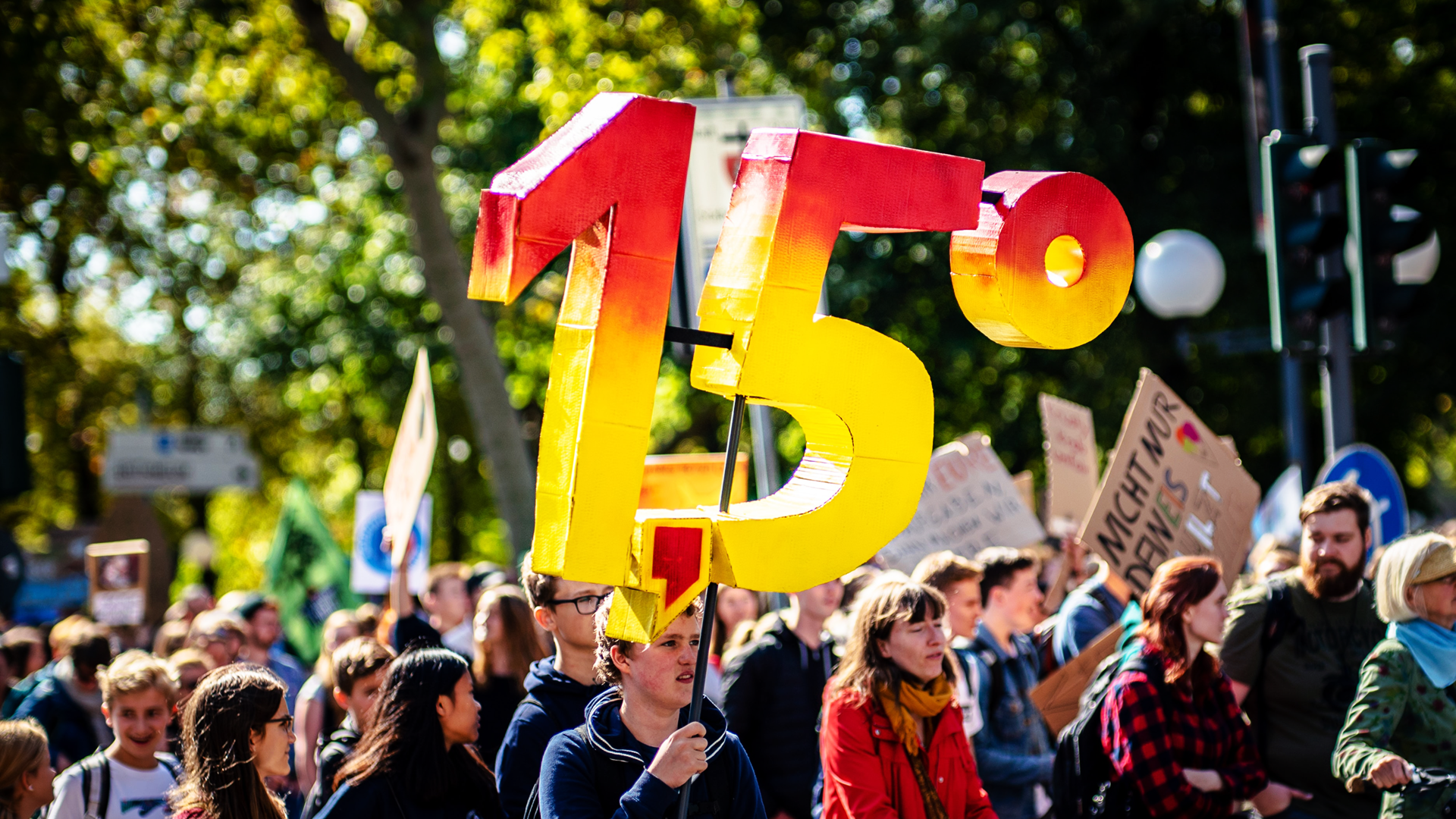
As TIME recently mentioned, the global average is now already 1.2C above pre-industrial levels. Temperatures rise by roughly 0.2 – 0.25C each decade, giving us only a handful of years to keep things below the original 1.5C increase goal.
COP26 will be a hugely important moment to outline the next decade of challenges, plans, and meaningful change, and will need to offer more than just lofty promises.
I’m Charlie (He/Him), Deputy Editor and Senior Writer at Thred. I was previously the Editor full time at Thred before moving to Bristol in 2024. As a music and gaming enthusiast, I’m a nerd for pop culture. You can find me curating playlists, designing article headline images, and sipping cider on a Thursday. Follow me on LinkedIn and drop me some ideas/feedback via email.
The ongoing Winter Olympic Games have seen many acts of defiance against the Trump administration. How will the situation play out when the US hosts in 2028?
When Baron Pierre de Coubertin revived the Olympics in 1896, one of his main aims was to promote mutual understanding among athletes. He believed that competing on the track instead of the battlefield could encourage peace and help prevent war.
However, countless...
Anxiety, depression, and emotional problems are on the rise across the globe, cutting across boundaries of culture, geography, and socio-economic status. The World Health Organisation says ‘one in seven’ have a mental health disorder in 2026.
According to the World Health Organisation, ‘one in seven adolescents worldwide has a mental health disorder.’ Such statistics obviously cannot be ignored.
This generation of teens is the first to be raised in an...
Why has the precedent that ‘British culture is dying’ invaded every aspect of our lives recently? From TikTok commentary to culture-war politics, who is really influencing the supposed shift in British culture?
Claims that Muslims and BAME communities are erasing British culture have become a popular rhetoric in recent political spheres in the UK, but also around the Global North as a whole. Popular, but not new.
Here's my take...
Findings suggest women' s professional development was only a priority for half of US businesses in 2025.
‘Many companies are overlooking women – and it’s crucial that they don’t,’ reads the opening line of the 2025 Women in the Workplace report. What follows is no more encouraging. The state of play across the corporate landscape is pretty dire where gender parity is concerned.
The standout finding was that only half...
We use cookies to ensure that we give you the best experience on our website. If you continue to use this site we will assume that you are happy with it.
































 0 comments