






 0 comments
Lack of access to vital medication, as well as dwindling contraception supplies, are threatening to undo years of progress within Senegal’s medical industry.
Senegal is discovering the hard way that with abrupt cuts in US funding, medical advances that took years to build can unravel faster than they were assembled.
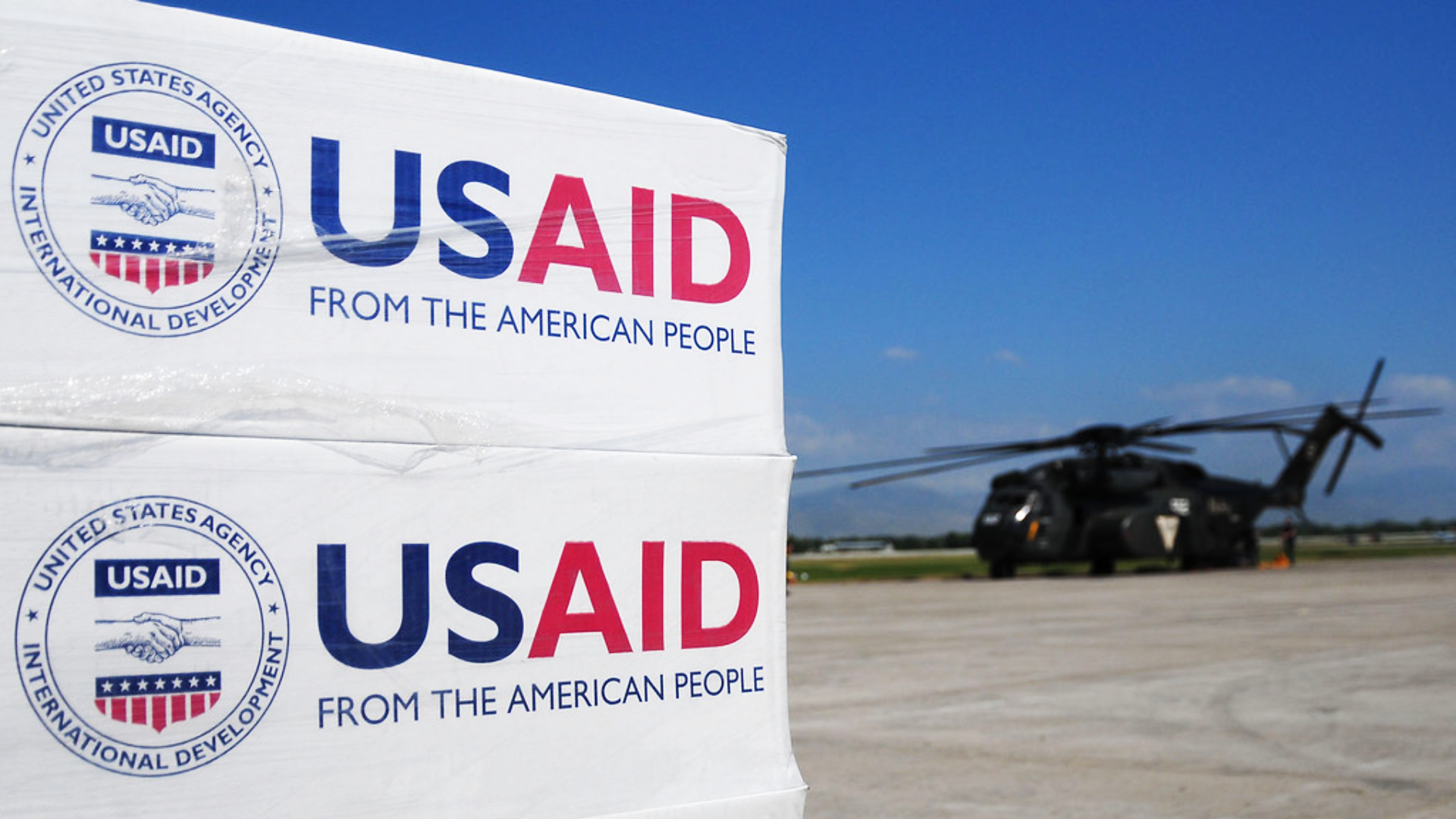
The latest withdrawals of USAID and related programmes are not only hobbling contraception supply chains, they’re also throttling HIV prevention, treatment adherence, and undermining the fragile architecture of community-led healthcare.
Senegal has long been held up as a relative success story in West Africa. HIV prevalence is low by regional standards and has fallen in recent years, with a steady rise in the share of people on antiretroviral therapy and decreasing viral load.
Similarly, efforts to broaden family-planning access have nudged up rates of modern contraception usage. But those advances have always been tethered to external support (foreign donors in general, and the United States in particular).
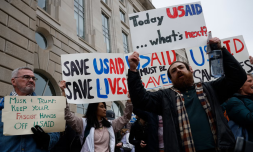
USAID cuts have now forced many community organisations to scale back. Mediators who once visited patients face transportation or staffing issues; appointment reminder systems have shut down; free condom distribution and PrEP access are under strain.
As Ana Puentes reports for El Pais, the National Council for the Fight against AIDS in Senegal has raised the alarm that prevention-oriented work is rapidly shrinking.
‘Due to cuts in international aid,’ Puentes writes, ‘patients have faced difficulties in accessing their treatments consistently and discreetly with the help of a counselor.’ The consequences have been fatal in many cases.
NGOs like Aboya have been supporting women living with HIV in Senegal for decades. Aboya alone has benefited nearly 500 women and their children in three regions of Senegal since 2001. Now, due to the slashing of funds from donors like the US, 15% of Aboya’s activities have been suspended.
Family-planning programmes are also feeling the impacts. USAID was long responsible for much of Senegal’s contraceptive supply chain; when stocks of key implants like Jadelle ran out, health-care providers scrambled to source units from other sources.