






 0 comments
Somehow, it involves China, and to make it worse, the alliance’s member states are not keen on pursuing this ultimatum.
Despite countless summits and discussions, the war in Ukraine persists.
In most instances, whether he truly helped or not, we find President Donald Trump at the centre of these negotiations. He has continually emphasized his commitment to achieving a peace agreement, rather than a ceasefire, which he sees no need for.
However, this peace agreement that Trump is pining for often includes a sweeping deal for Russia, which mainly includes Ukraine yielding territory. This has pushed Europe to advocate for a fair deal for the war-torn country, as a Russia-controlled Ukraine has implications for the European Union.
Nonetheless, the road to such agreements has not been all roses for Trump, either. With Putin’s resistance to ceasefires and increasingly maximalist demands, the negotiation process continues to slow down. Hence, Trump’s hopes of a great settlement have come to a sudden halt.
BREAKING: President Trump says all NATO nations are preparing to “do major sanctions on Russia” and impose 50% to 100% tariffs on China. pic.twitter.com/lhhiV7OIpk
— The Kobeissi Letter (@KobeissiLetter) September 13, 2025
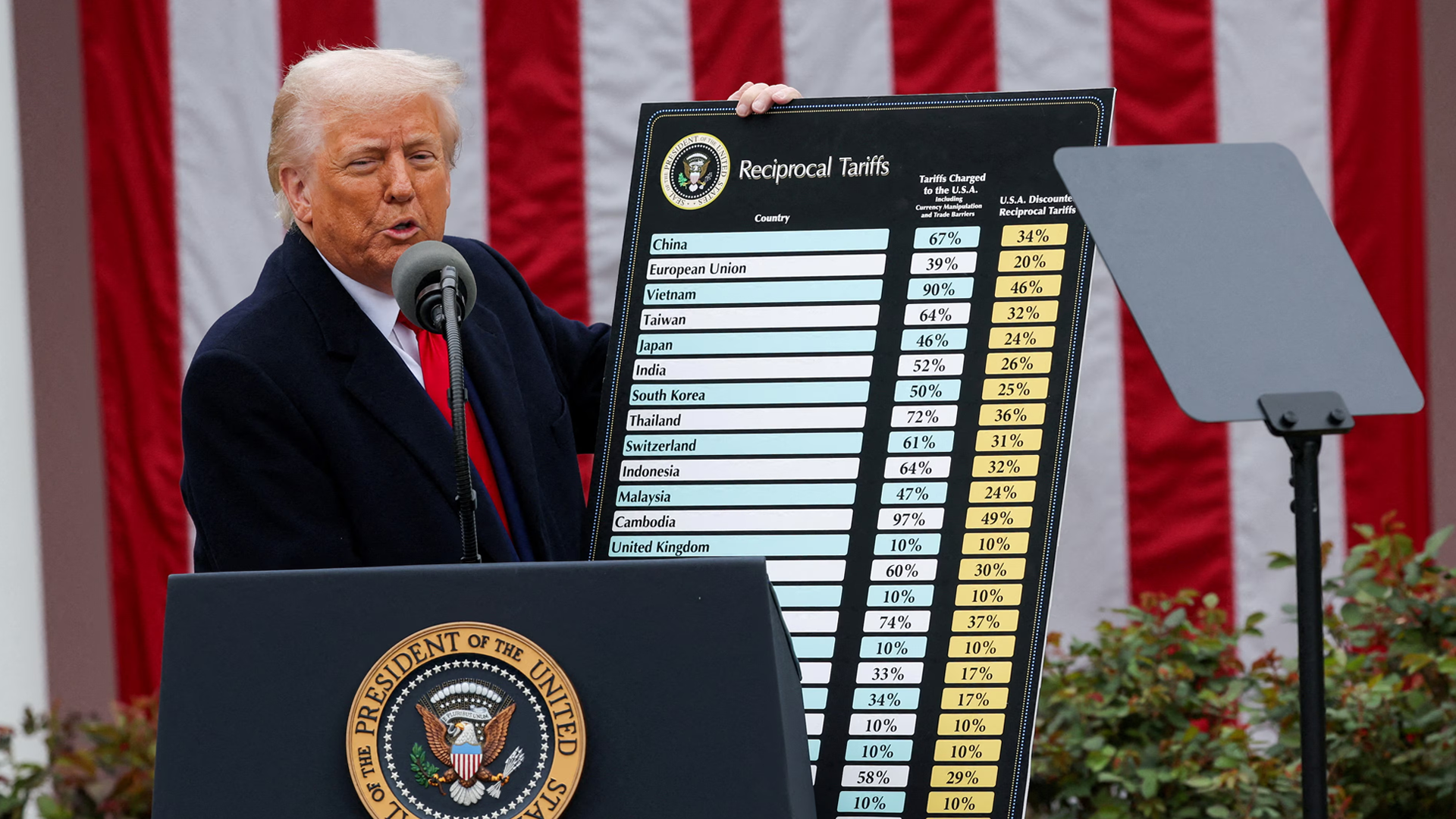
Frustrated at the current state of the war, which has only seemed more doomed, the US leader now issued an ultimatum to all NATO countries to stop buying oil from Russia and impose heavy sanctions upon it – and China.
Now, two questions may pop into your mind: ‘Why are NATO members still buying Russian oil?’ and ‘How does China fit into this?’.
The NATO-Russia oil duality
After the war began, and following Russia’s increasingly deranged movements, NATO countries, especially those that are in the EU, banned or cut their Russian oil imports. The EU even went to the extent of banning maritime imports of crude and refined oil products.
Out of the 32 NATO member states, only Hungary, Slovakia, and Turkey buy Russian oil. Now, at first glance, it may not be that bad, until you find out that Turkey is the biggest importer of Russian oil after China and India.
Since it’s not an EU member, it faces the same regulatory pressures as the union to reduce oil imports. Moreover, with the economic incentives that Russia’s oil brings into Turkey, the latter would likely not place a complete ban on oil imports. On the other hand, Hungary and Slovakia are connected to Russian crude oil via the Druzhba pipeline, which accounts for the majority of their oil consumption.
The primary motivation for Russian oil consumption from these three nations is financial; they all receive a discount, therefore, they are loyal.