Kenya is among the leading African nations in renewable energy, currently generating more than 75% from renewable sources, primarily geothermal power and hydropower. According to the government, the country looks to shift to 100% clean energy by 2030.
Kenya’s climate crisis has left its northern population without food, shelter, and settlement.
Ravaging drought has left thousands of animals dead, children malnourished, and thousands of people forced to flee their homes in search of water and food. According to the UN, the dry northern part of Kenya is currently facing its fifth consecutive below-average rainy season from October to December this year.
The UN estimates that approximately 6.4 million people will be in need of humanitarian assistance by 2023.
The country’s transition to clean energy has been driven by a number of factors including the need to reduce greenhouse gas emissions and the urgent need to provide reliable and affordable energy to Kenya’s fast-growing population.
According to the Kenya National Bureau of Statistics (KNBS), it hosts the largest wind farm in Africa and electricity supply is at 92% renewable.
Over the years, Kenya has implemented different projects to enable the growth of clean energy and be a renewable leader.
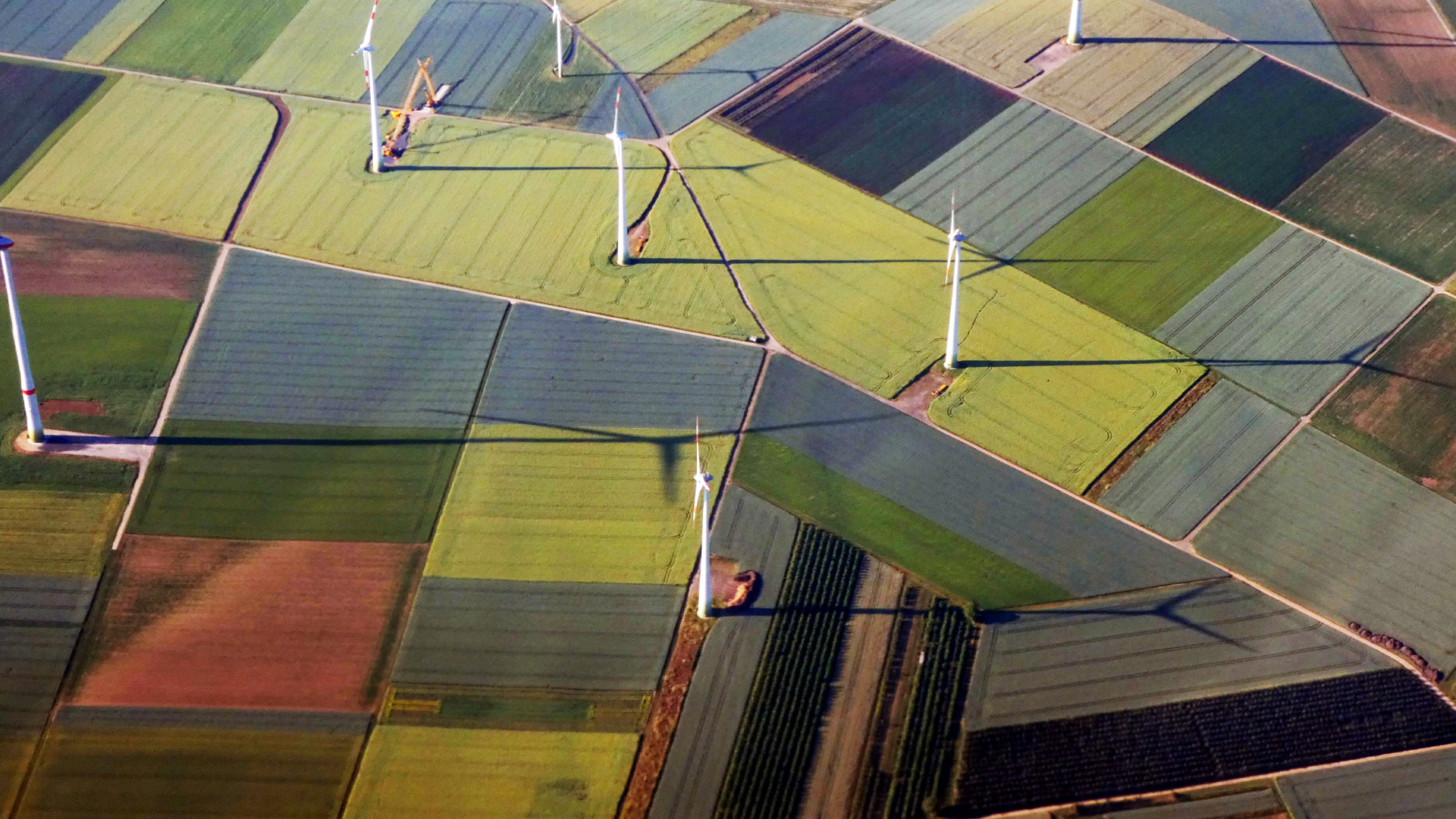
The Lake Turkana Wind Power Project, which is the largest wind farm in Africa, is made up of 365 wind turbines capable of supplying electricity to over 1 million homes.
Additionally, Kenya acquires nearly half of its electricity from geothermal plants. Geothermal power is considered an environmentally friendly renewable energy which does not emit carbon dioxide and other greenhouse gases.
Kenya’s Olkaria power plant is currently the largest geothermal energy producer plant in Africa, with its power production contributing to over 45% of the country’s electricity generation. Globally, Kenya is currently the eighth largest geothermal energy producer.
It’s also the world leader in the number of solar power systems installed per capita. In rural homes in the country, solar energy consumption is high and millions of underserved communities use solar as a source of electricity.
Kenya’s rapid urbanization and population growth has increased air pollution across the country with serious health implications.
Fossil fuel burning vehicles have increased emissions in cities and are driving climate change. To curb the situation, Kenya is rapidly transitioning to electric vehicles and bikes to improve air quality.
Kenya has gained both local and international investors interested in leveraging the renewable energy dominated sector to imbue the adoption of electric vehicles.
Electric buses start-up BasiGo recently raised Sh804.5 million ($6.6 million) from international investors to build more electric buses and charging points in major cities across the country. The company is expected to deliver 15 electric buses from January to Nairobi city.
Challenges in the industry
Additionally, Kenya is implementing a number of smaller scale clean energy initiatives such as development of small-scale hydroelectric power plants.
One of the major challenges has been the high cost of clean energy technologies, which has made it difficult for many Kenyans to access and afford clean energy. However, the government has been working to address the issue by providing financial incentives and support for the development of clean energy projects.
The need to upgrade the country’s electricity infrastructure to support the increased use of clean energy is a challenge.
Significant investment is required in new transmission and distribution networks, together with development of storage solutions for excess energy generated by renewable sources.
Kenya’s transition to clean energy is at a positive pace, and the nation is making significant progress towards its goal of generating 100% of its electricity from renewable sources by 2030.
The transition is not only good for the environment, but it also provides new economic opportunities and improves the quality of life for the population.
I’m Derrick (He/Him), a Journalism and Mass Communication graduate from the Technical University of Mombasa, Kenya. Currently I write about trending topics and major issues affecting Africa for Thred, specifically concerning SDGs. View my Twitter here if you’d like to send me feedback.
Studies show a direct correlation between motherhood and a decline in academic tenure, with one in three women leaving academia after becoming mothers.
When I was a student, I remember being struck by how many women were on my Art History course. Out of our 50-or-so cohort, I could count the men on one hand. But it was a very different picture when you looked at the staff.
We had several...
Britain’s press has long claimed to simply report politics, but its deep-rooted bias toward the Conservatives suggests it may have played a far more active role in shaping how the public sees power, leadership, and ultimately who gets to win.
On 13 April 1992 after a devastating election loss, swerving the usual graceful exit, Neil Kinnock stood in front of the press and made a striking claim:
‘...the Conservative-supporting press...
Though the project is a vital strategic asset for the US, its reliance on advanced tech for mitigation techniques have failed to ease local anxieties about water security and the environment.
In the past two years, the US government has placed significant emphasis in obtaining rare earth minerals. From EVs to precision weapons, these minerals have become an essential commodity in the global economy. However, global sanctions on their...
In the last decade, the share of 15-to-24-year-olds in the UK who claim they have a condition limiting their ability to work is reportedly up by 70%.
There has been a sharp rise in the number of jobless young people in the UK citing health problems as the reason they cannot work, according to newly published statistics from the Health Foundation.
The charity thinktank says that the portion of 16-24-year-olds...
We use cookies to ensure that we give you the best experience on our website. If you continue to use this site we will assume that you are happy with it.
































 0 comments