







 0 comments
A new report shows first-years need £260 a week (excluding rent) for a ‘socially acceptable’ standard of living – forcing many to take on jobs that leave little room for the studies they came for.
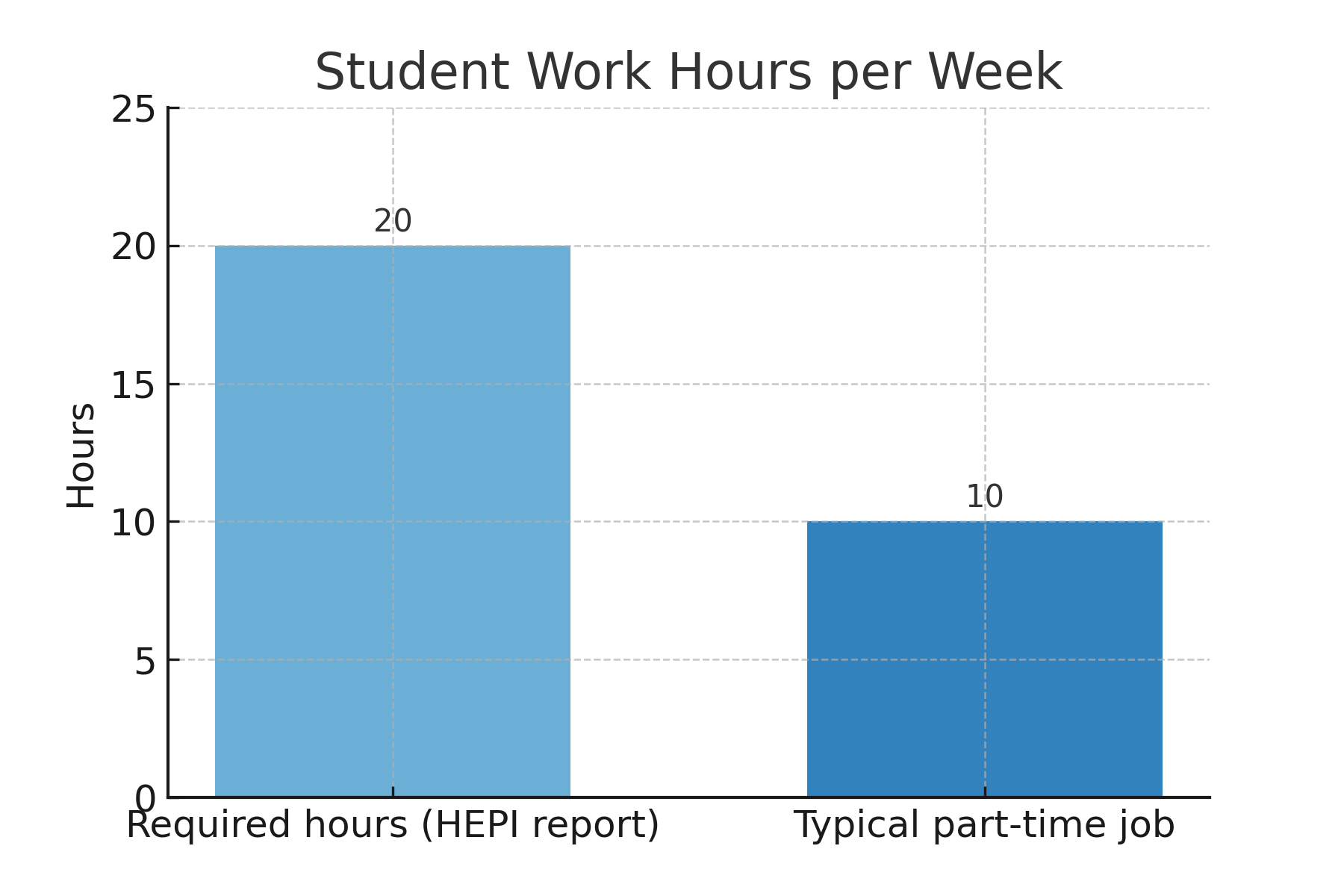
The news that UK students are being forced to work 20 hours a week just to meet a basic standard of living will come as no surprise to anyone who has been a student, particularly anyone who recently graduated – and especially those who graduated from a London-based university.
Only last week I was chatting to a colleague about the dire state of living in London on minimum wage, and we both shuddered at the thought of being a student during the current cost of living crisis. ‘How on earth did we do it?’ we both asked. Neither had an answer – but I know a lot of tinned tuna and Lambrini was involved.
That’s not to say that my time at university wasn’t enjoyable and world-defining as everyone makes out. I have reams of great memories and the squalor in which we all lived only added to the experience in many respects. But this normalization of the struggling student lifestyle is pretty problematic – especially given the fact that the conditions in which young academics are being forced to live are only getting worse.
So seeing this quantified in a new Higher Education Policy Institute (HEPI) report hits differently. The numbers finally put hard edges on something that’s long been felt in the stomach.
According to the HEPI findings, first-year students are hit the hardest. Alongside rent, there’s the unavoidable one-off ‘setting-up’ costs (like buying a laptop and kitchen supplies). Then there are the ‘settling-in’ costs: nights out during Freshers’ Week, coffees with coursemates, joining societies. It’s not just frivolity; it’s the groundwork of adult life, networking before you even know you’re networking. These aren’t optional extras, they’re part of what it means to fully participate in university.
It’s the latter that feeds a festering stereotype of students as lazy hedonists who live off the bank of mum and dad. Those people certainly exist, don’t get me wrong, but for most of us it couldn’t be further from reality.
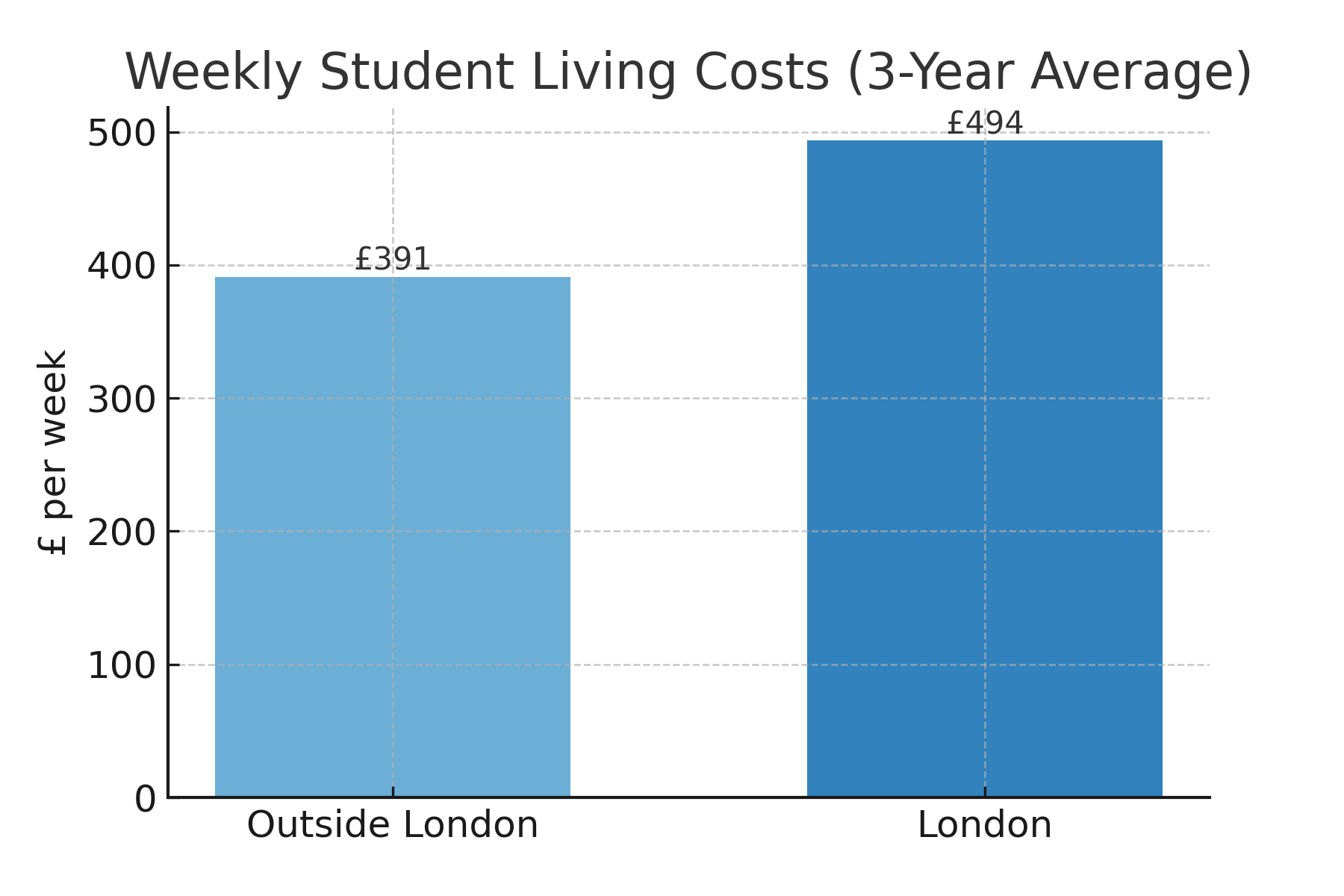
The report estimates that first-years need at least £260 a week (excluding rent) to reach a ‘minimum socially acceptable standard of living.’ Over a three-year degree, that comes to £61,000 in living costs – and that’s before you factor in location.