






 0 comments
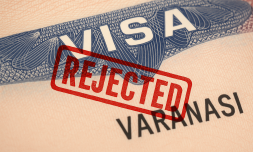
The government has cancelled the visas of several foreign nationals over their public comments about Charlie Kirk’s murder.
‘The United States has no obligation to host foreigners who wish death on Americans’ wrote the US Department of State on X this week. The post was in reference to the government’s decision to revoke several visas over comments made about the late Charlie Kirk.
In six screenshots, social media users were shown to have made public statements about Kirk’s murder that were deemed to be celebratory.
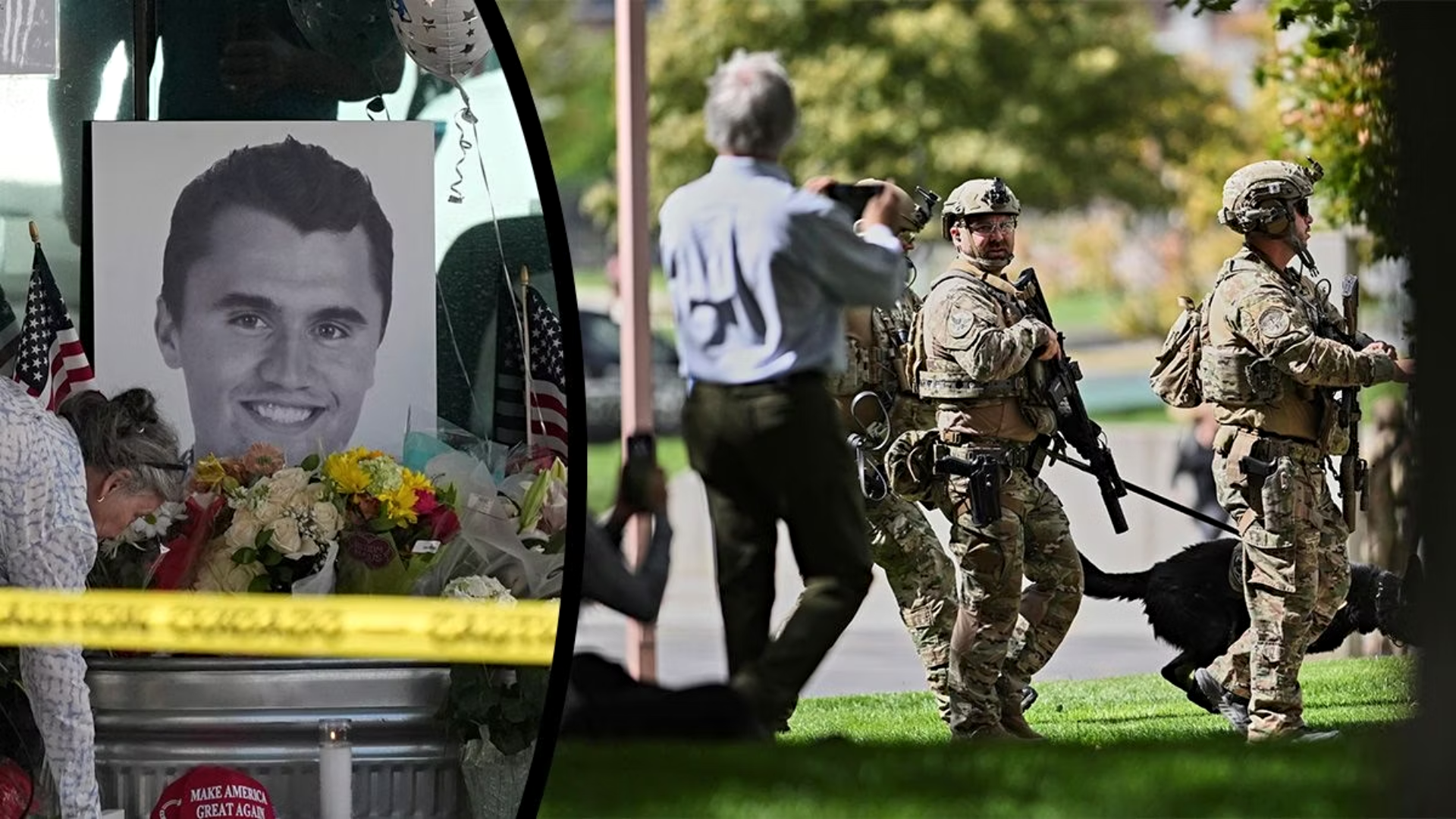
Kirk, an ally of President Trump and a popular far-right commentator, was shot while speaking at a university event in Utah last month. He was posthumously awarded the Presidential Medal of Freedom on Tuesday.
To bask in the death of any public figure online is certainly nothing to be celebrated, and Kirk’s shooting was a horrific act of violence that has no place in modern society or democracy. But the response to these comments reeks of irony – considering the Trump administration’s persistent focus on ‘free speech’.
Civil liberties advocates are warning that the decision to strip visas from at least six foreign nationals represents yet another example of dangerous government crackdowns on the protected speech they claim to champion.
This is part of an escalating government-wide campaign to suppress criticism of Kirk.
‘You can’t defend ‘our culture’ by eroding the very cornerstone of what America stands for: freedom of speech and thought,’ Conor Fitzpatrick, an attorney at the Foundation for Individual Rights and Expression (FIRE) said in a statement. ‘The Trump administration must stop punishing people for their opinions alone.’
As social media increasingly becomes a space for data harvesting and less a platform for connection, there are mounting fears that the digital realm will become a means of oppressing freedoms and civil liberties – if it hasn’t already.
Visa revocations under these parameters ‘are censorship, plain and simple’ Carrie DeCell, Knight First Amendment Institute’s senior staff attorney and legislative adviser, said in a press release.
‘Mere ‘mockery’ can’t be grounds for adverse government action – whether revocation of broadcast licenses or revocation of visas’ DeCell continued.
According to The Guardian, the move followed a week of mounting pressure from conservative media figures, who accused the Biden-era State Department of being too lenient on ‘foreign agitators’ celebrating Kirk’s death online.