






 0 comments
On the International Day for the Elimination of Violence Against Women, UN Women reveal a disturbing rise in violent abuse toward women in digital spaces – with little consequence for perpetrators.
A few years ago, someone described the internet to me as ‘the world’s biggest public square,’ which sounded charming until I remembered that public squares throughout history have also hosted witch trials, duels, riots, and the occasional beheading.
The past year has only reinforced this: if you are a woman online, the modern square feels less like a meeting place and more like a shooting range.
The UN’s latest warning – released today, of all days – makes the point with painful clarity. More women are facing abuse online, and the abuse is evolving faster than the tech companies supposedly regulating it. There is something grimly impressive about the efficiency of it all: a stranger with a Wi-Fi connection now has the capacity to do in seconds what used to require effort and coordination.
According to UN Women, one in three women will experience some form of gender-based violence in her lifetime, and the digital version is rapidly becoming the preferred method. Deepfakes, for instance (a term that once evoked experimental cinema) are now overwhelmingly used to create sexualised images of women. Between 90 and 95 per cent of them, in fact.
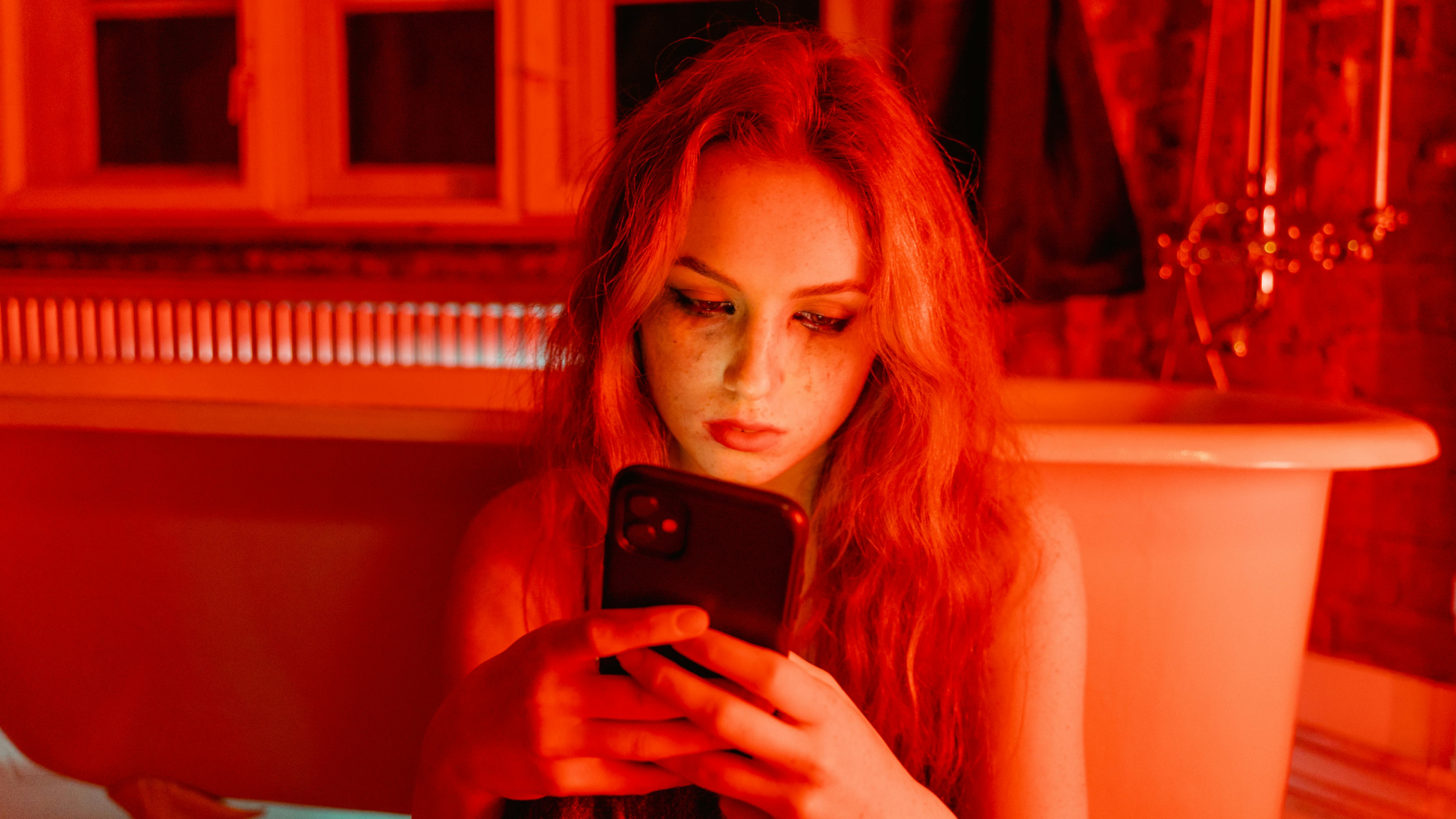
Much of this doesn’t even surprise women anymore. In Europe and Central Asia, over half of women who are online say they’ve already faced digital violence. The casual calculation many women now make before posting anything is itself a form of loss.
The International Labour Organization has clocked the same trend in the workplace. Abuse has slipped into inboxes and video calls; the new office harassment doesn’t even bother with physical proximity. You can now be undermined or threatened without your harasser having to leave their house.
It starts with one message…
And then becomes a flood of online abuse 🤬
During the #16Days of Activism, join us in calling for safety, accountability, and justice online.
Learn more and take action #ForAllWomenAndGirls: https://t.co/2tEJCSOMKH#ACTToEndViolence pic.twitter.com/CSUJt0R6ec
— UN Women (@UN_Women) November 25, 2025
The effect is cumulative. Women withdraw from online spaces, then from public spaces (thus losing opportunities that depend on visibility). It’s a slow contraction of voice and presence – not always dramatic, but unmistakable in its trajectory. The world promised women equal participation, then built systems that punish them for attempting it.
What’s striking in the UN’s #16Days campaign, launched today, is the tone. There’s a swathe of bluntness more than anything else. No need for the hand wringing here. Abuse is not a quirk of internet culture, says the report, but clear-cut violence. It is targeted. It is gendered. And it is shaping the digital world in ways we don’t yet fully understand.
Digital violence has a way of slipping through the cracks because it doesn’t look like the violence we’re used to naming. But the impact is real. Women are changing their behaviour and their ambitions. Entire careers are quietly rerouted because the internet made itself uninhabitable. This is quite literally altering the trajectory of many women’s lives.