






 0 comments
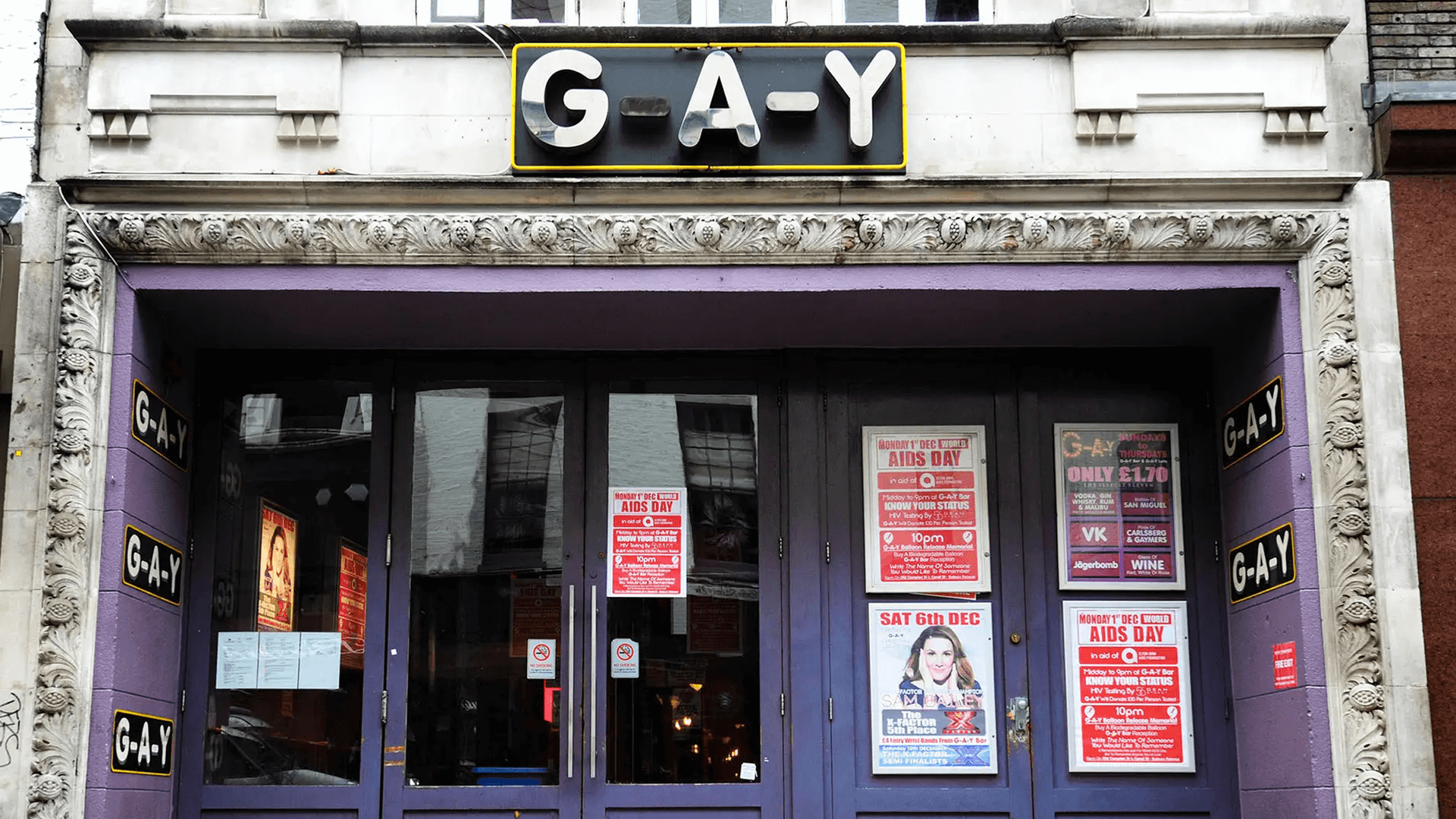
As iconic LGBTQIA+ nightclub G-A-Y shuts down, the landscape of queer nightlife in Britain looks bleak.
‘When I opened the G-A-Y on Old Compton Street, it was the gayest street in London,’ says Jeremy Joseph, the owner of one of London’s most famous queer nightclubs. Now, decades on, the venue is closing its doors – a decision Joseph puts down to rising rents, mounting pressures and a sense that the area has neglected its LGBTQIA+ clientele.
‘[Old Compton Street] has lost its identity. During last year’s Pride month, I looked at other businesses and a third couldn’t even be bothered to put a Pride flag out.’
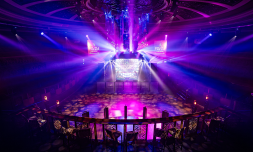
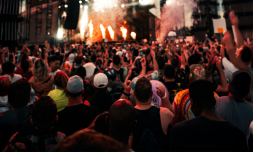
The closure of G-A-Y reflects a wider loss of queer spaces across Britain – particularly within the nightlife sector. And these venues aren’t just outlets for fun. They’re vital to community building, expression, and identity.
According to the Greater London Authority, more than half of London’s LGBTQIA+ venues have closed since 2006. The causes include rising rents, the pandemic tail winds, and the cost-of-living crisis – all of which are changing social habits.
Last year, The Guardian reported that queer venues – and clubs in general – were increasingly falling victim to gentrification. But that hasn’t stopped fringe spaces from emerging.
‘While traditional bars may be struggling,’ wrote Rupert Neate, ‘underground queer club nights are popping up ‘in the cracks of capitalism’ on the edge of our cities, with parties tailored to often-marginalised parts of the LGBTQ+ community.’
This isn’t new. Nightclubs and bars have look been outposts within the queer community – particularly during times of immense struggle. As Han Powell notes, during the AIDS crisis, some of the only communal spaces available to the queer community were gay clubs and bars.
Powell spoke with members of the LGBTQIA+ club scene in the aftermath of the 2016 shooting at Pulse nightclub in Florida, and walked away with an overwhelming sense of collective resilience within these spaces.
‘The interviews reflected a collective need to return to gay clubs despite the fear and grief, a willingness to endure the metal detectors and police presence and breathe through the panic attacks. […] in spite of everything, we returned to begin healing.’
That underground queer spaces are still cropping up in the face of major closures like that of G-A-Y is affirming evidence that this resilience remains. In many ways it always has – and always will – be a defining marker of a community hell-bent on joy despite a history of oppression.
But shuttering major queer spaces poses a threat for the UK’s LGBTQIA+ population – not least because it forces them to the fringes. Queer identity is, arguably, built in the in-between spaces, in the margins of society. But that doesn’t mean mainstream accessibility should be rescinded.