






 0 comments
The transport secretary has given plans for a new £2.2bn runway the green light, despite pushback from climate organisations.
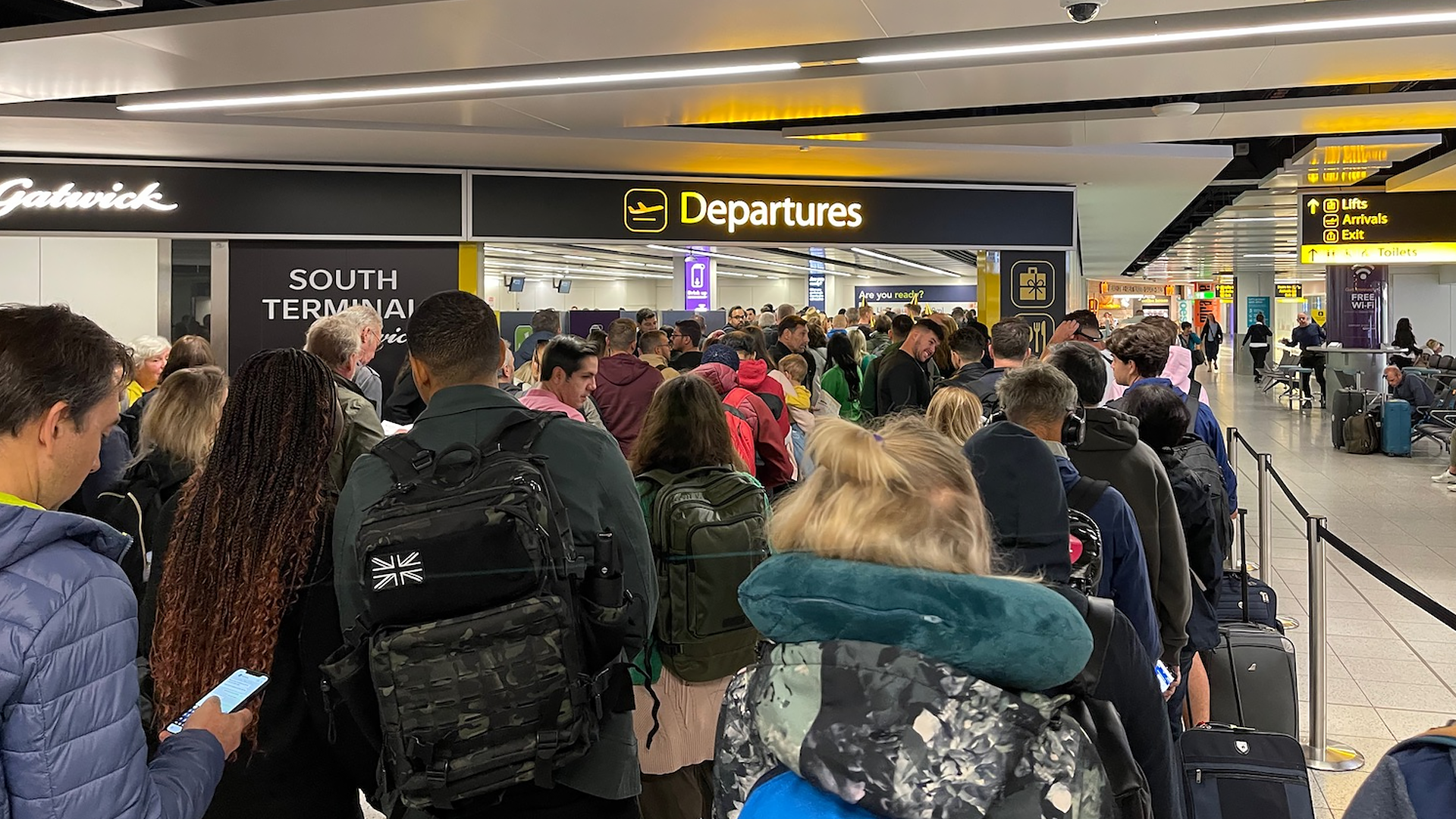
The UK government has just given formal approval to Gatwick Airport’s £2.2 billion expansion plan – one that converts its emergency/standby northern runway into a full, regularly-used runway by shifting it just 12 metres north.
In theory this sounds like a nifty tweak. But for many, it’s a dramatic retreat from climate responsibility, with environmental groups now pledging legal challenges. If you needed any convincing that the project is terrible news for the environment, here’s a breakdown.
For starters, Gatwick already has a second strip – currently used as a standby runway or for taxiing/emergency use – but it’s too close to the main runway for simultaneous use. The plan is to move it 12 metres north so it meets safety regulations and can be used in regular service for departures of narrow-body aircraft and boost flights by around 100,000 from the major airport.
Chancellor Rachel Reeves says the project will generate ‘thousands of jobs and billions in investment.’ Specifically, about 14,000 new jobs and up to £1bn per year of additional economic activity.
But the expansion undermines the UK’s legally-binding climate targets. Not least because of the obvious fact that more flights equate to more carbon emissions. Given how urgent climate science is, any increase in aviation capacity is deeply concerning.
It’s no surprise, then, that climate groups aren’t thrilled by the fact that the government’s latest love letter to ‘growth’ comes in the form of 12 meters of tarmac.
Also, while airports have always been easy symbols of dynamism and national economic success, promises of increased jobs and financial growth aren’t that clear-cut. Reeves’ figures depend on heroic assumptions about tourism, trade, and demand growth. Aviation may be a visible engine of globalisation, but its local benefits aren’t necessarily promised.
Local communities will also bear the brunt of noise, housing impacts, and environmental damage. Even though there are mitigation plans through noise insulation, compensation and public transport improvements, these will be hard to enforce.
100,000 more flights per year implies more associated emissions (and not just jet fuel). This involves ground handling, road, taxis and more. Even with some vague promises of sustainable aviation fuel, this makes hitting net zero infinitely harder.
It’s hardly reassuring that the government is committing to this expansion while also saying it must honour legally-binding climate targets. Not to mention that infrastructure like public transport must keep up, and history shows that promises in planning often lag behind reality.