






 0 comments
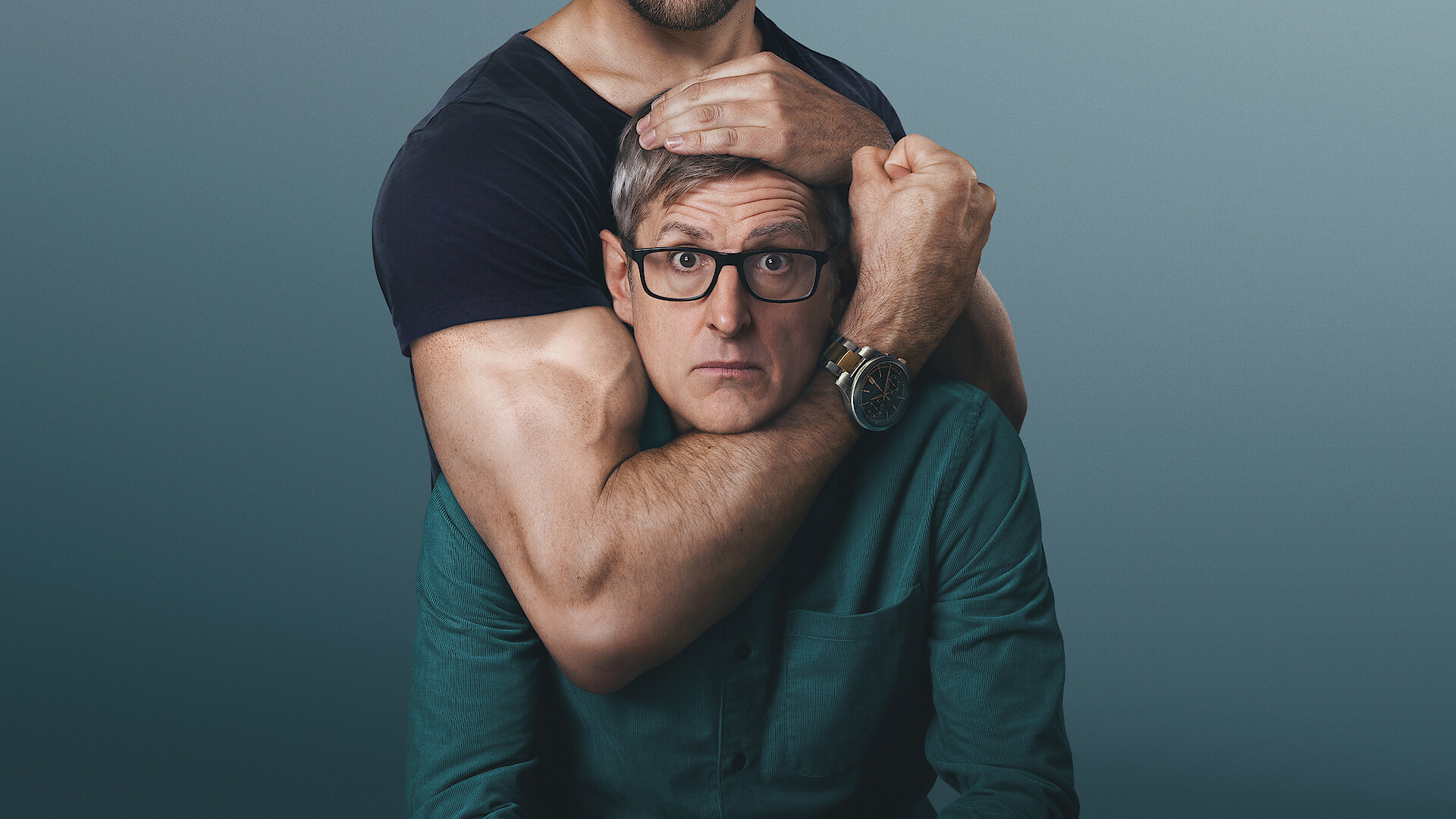
Louis Theroux’s manosphere documentary has raised questions about how we tackle a toxic community that spreads in the shadows and thrives in the spotlight.
It was only a matter of time before Louis Theroux shuffled into frame and imparted his gauche two cents on the manosphere. The documentarian is beloved for his awkward silences, an approach that has allowed him to carve out a hefty filmography of deep-dives into some of society’s darkest corners.
Theroux’s ostensibly bewildered response to his subjects has often functioned as the shovel with which they dig their own graves. And when speaking to the idiotic figureheads of online misogyny in his latest Netflix film, it retains some of its original charm.
But throughout the course of Inside the Manosphere, an investigation that sees Theroux brush shoulders with Andrew Tate disciples and ‘red pill’ woman-hating conspiracy theorists, his familiar tactics largely fall short. In opening the floor to men who thrive on attention – good or bad – Theroux’s silence often feels like a permit.
As Lucy Mangan argues in The Guardian, the tools that have become such a signpost of Theroux’s arsenal ‘look like increasingly feeble weapons when the matters are of such increasing importance in our lives.’
That hasn’t stopped Inside the Manosphere from climbing to the top spot on Netflix. The film has raised eyebrows and alarm bells, starting conversations around the complex relationship between young men and the modern world, and the extent to which the manosphere has infiltrated their algorithms.
For a toxic culture that spreads insidiously in the shadows, and is almost impossible to monitor thanks to the rhythms of social media, this attention is in some ways a good thing. Many adults still struggle to grasp the realities of the manosphere. Its close proximity to the young men we know isn’t something we’re quick to accept.
But despite a few satisfying digs at the expense of his subjects, Theroux’s documentary spends most of its run time giving more leverage to men who thrive – financially and socially – on attention.
No matter the hypocrisy (one individual tells Theroux he would disown his daughter if she had an Only Fans account, despite owning an agency that recruits models from the platform) and flagrant misogyny (many of the self-proclaimed male ‘gurus’ indulge in one-sided monogamy with their female partners, which is… exactly what it sounds like), these men are monetising every click, view and comment. The more outrageous their content, the better. In spotlighting them, Inside the Manosphere inadvertently feeds them.
It also becomes apparent, about two-thirds of the way through the film, that the manosphere’s obvious victims have been sidelined from the project. Besides a few interesting brushes with the women in their lives – mothers, wives and girlfriends – much of the focus is placed on the men themselves.
Theroux concludes his investigation with a bit of a damp squib: that childhood trauma might be the culprit driving these men to the far-right. It feels a like a bit of an excuse, and leaves the experiences of those affected by the manosphere – those who didn’t choose to be a part of it – out of the conversation.
That being said, I don’t necessarily think a women-led descent into the manosphere is the right answer either.