






 0 comments
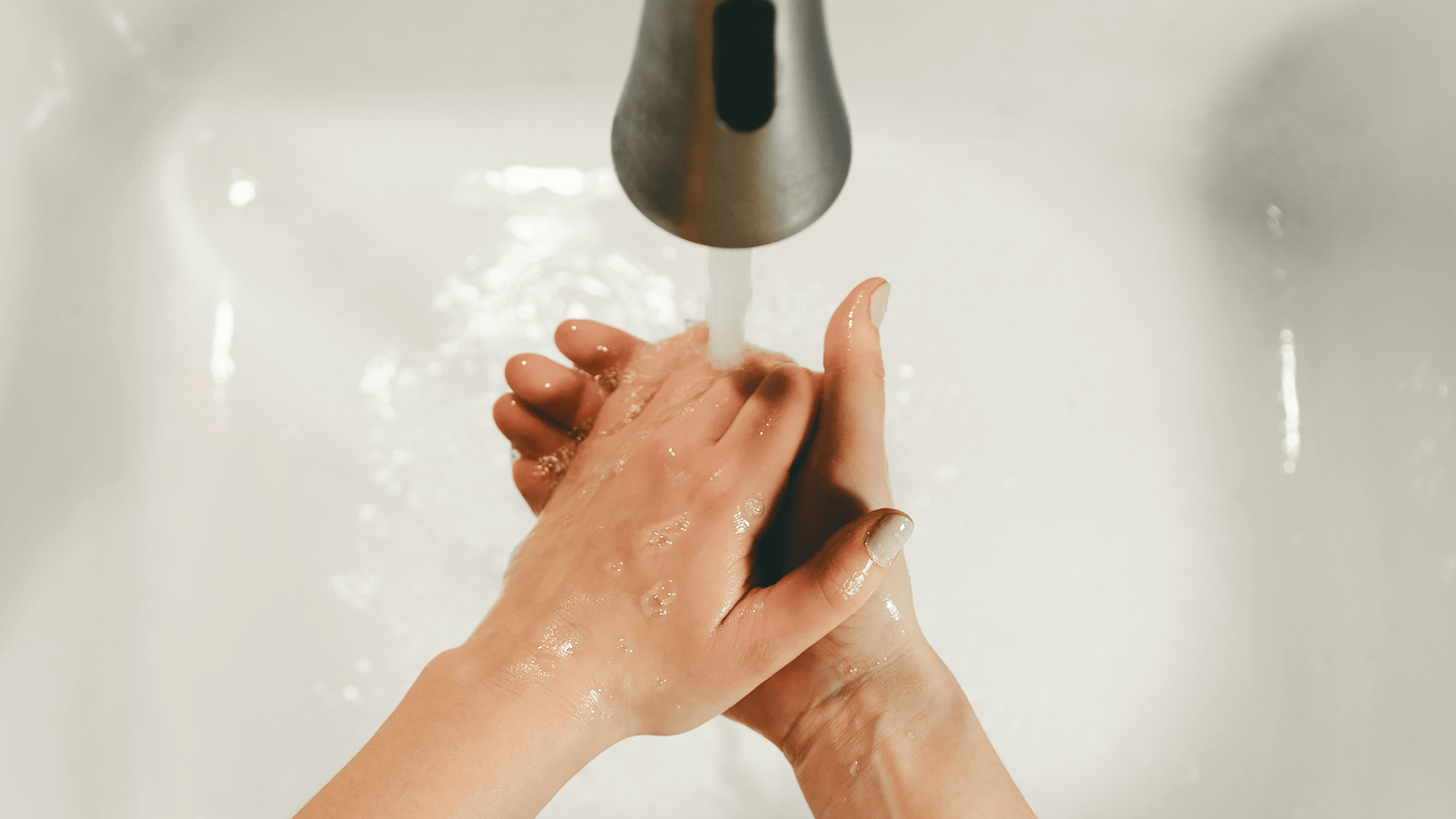
A third of London residents are reportedly unable to afford basic hygiene products as we enter 2026, according to stats from health charity Hygiene Bank.
It’s COVID season everyone, and I know that because I currently have it for a fourth time.
I can confidently state this because I’m in a privileged enough position to be able to afford the odd box of COVID tests after mortgage payments and living costs. Add to that £10 basket an antibacterial surface spray (£4.00), handwash (£3.00), and a decent hand sanitiser (£1.50) and you’ve almost topped £20 before you can even grab some cold and flu tablets.
Regretfully, we must state the obvious: the UK’s cost of living shambles is likely joining us for the entirety of 2026, making acquiring the weekly essentials frustrating for those with the financial means to adapt, and impossible for those without.
Housing, energy, and foodbanks are the primary topics of discussion when it comes to ‘inflation’, but there is another depressing element that is less considered in the capital. According to stats from health charity Hygiene Bank, one in three London residents aged 16 to 55 now cannot afford basic hygiene essentials.
Three in ten women have reportedly had to choose between buying food or hygiene products and many report missing job interviews or work because of it.
A third of Londoners revealed they had to choose between buying items for themselves or their children, and 19% of children aged six to 15 continue to live without daily essentials including period products, toothpaste, soap, and washing detergent.
At the Abbey Centre in Westminster, service and volunteer manager Caroline Gandy-Brown described to the BBC how one mother of four was unable to wash herself as she used the last piece of soap on her children and to clean the house.
‘I know what it’s like to suffer this… there’s such a stigma around this,’ she said.