






 0 comments
Renewable energy overtook coal as the world’s leading source of electricity in the first half of 2025, according to global energy think tank Ember. The headline doesn’t tell the full story, however.
We’ve just hit a global environmental milestone. Well, sort of.
For the first time in history, renewable energy has reportedly produced more of the world’s electricity than coal, according to recent figures from global energy think tank Ember.
In the first half of 2025, solar and wind production actually overachieved in terms of targeted production and overall global demand. Experts are now more than confident that the previous projections of doubling clean energy capacity by 2030 will be achieved – and potentially even improved on.
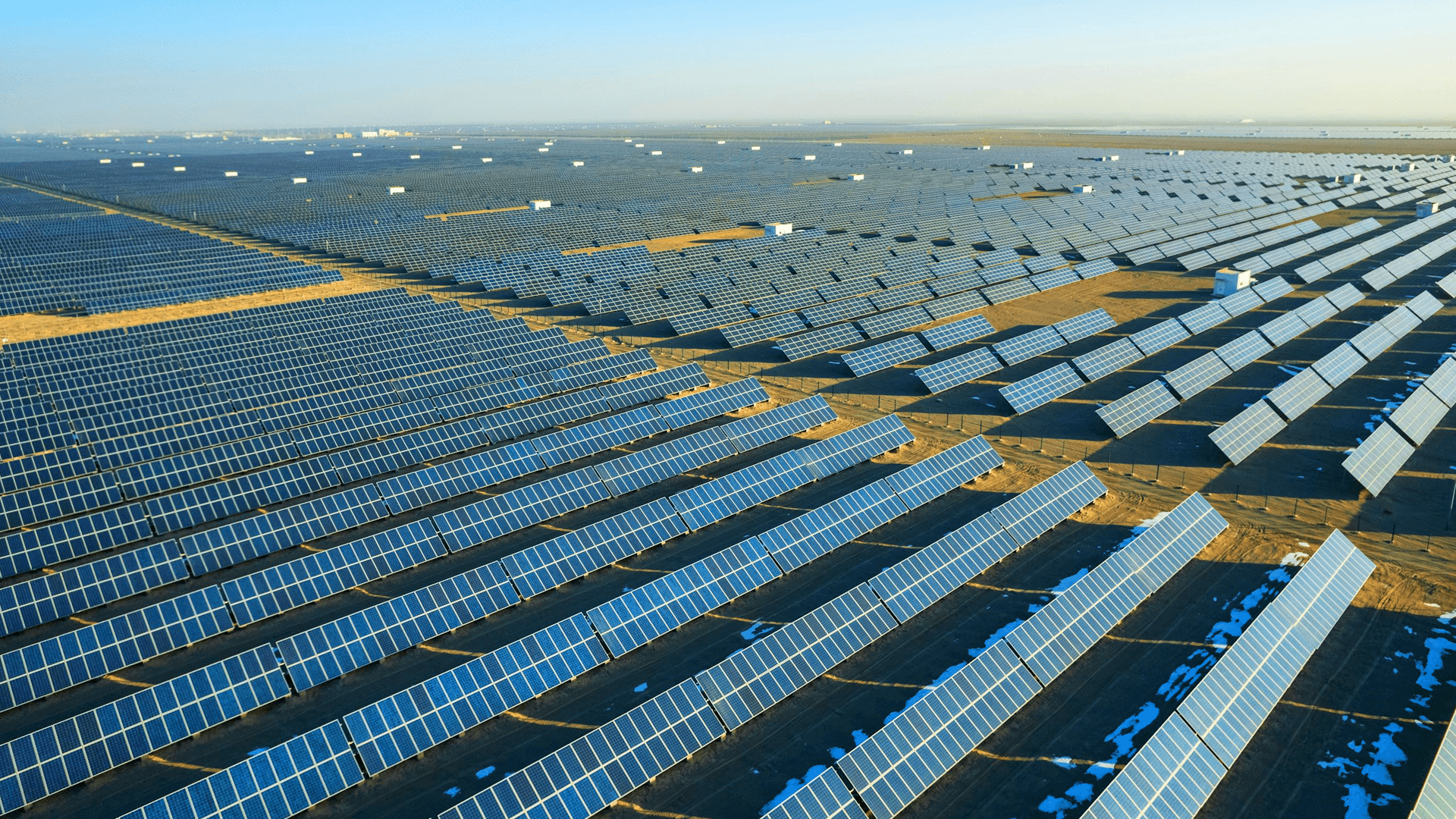
Global solar generation grew by a record 31% in the first half of the year, while wind recorded an uptick of 7.7%. Combined, both sectors accounted for an increase of more than 400 terawatt hours, which easily accounted renewable global supply ambitions.
‘We are seeing the first signs of a crucial turning point,’ said Ember’s electricity analyst, Malgorzata Wiatros-Motyka. But perhaps it’s not appropriate to pop the champers just yet.
Though the milestone is significant, the reality is that the increase likely won’t be enough to meet the rapidly rising global demand for electricity in the near future, let alone begin putting a major dent in energy generated by fossil fuels.
For context, this surge in renewables led to just a 1% drop in global fossil fuel generation. While this achievement isn’t to be sniffed at, when considering how rapidly demand for electricity is growing, it’ll be difficult to keep up the trend over the coming years and decades without even greater acceleration.
Analysis from the world’s most relevant 88 countries (regarding energy demand), shows that economic growth, the electric vehicle and battery boom, rising populations in developing countries, and the increasing need for cooling are the major factors in driving electricity demand up.