






 0 comments
How far must women go to enjoy exercise in peace?
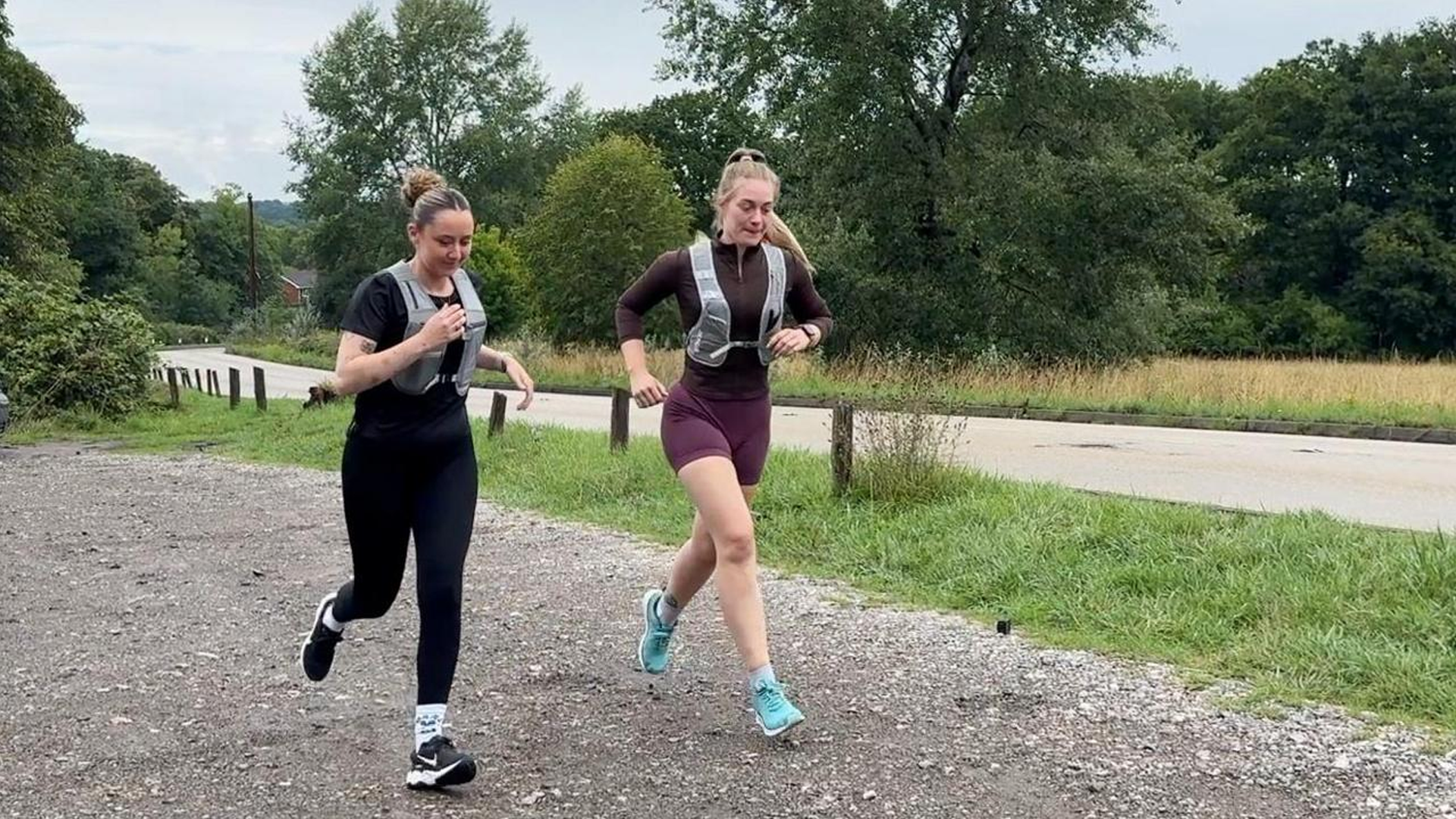
I’ve been a runner for years now. To me, it’s one of the joys in life. Getting the miles in is less about fitness and more about mental clarity – it’s one of the few times in my week where I’m alone, in silence, focusing on the road ahead of me rather than staring at a screen.
But this meditative experience is often undercut by the cat calling of male passersby. I’ll admit that men shouting something out of their car windows or honking as I pass them on the street has become mere elevator music, given how regularly it occurs.
I’m so used to it that I’ve sort of blocked it out, and it doesn’t bother me like it used to when I first started running. In fact, I find this specific form of exercise so empowering and liberating that the sense of confidence I feel whilst doing it tends to cancel out the idiocy of strangers on the street.
But I know this isn’t the case for many women – especially those that may be new to running or find the whole thing generally intimidating. Even those who love it and have been running for years like myself often find the experience of cat calling traumatic. And regardless, however we respond to it, we really shouldn’t have to put up with it in the first place.
I’ve often pondered how to tackle the issue myself, finding it curious that more isn’t done about it within the running community – an ostensibly inclusive space that is only growing in diversity and size as running explodes in popularity.
Granted, there are now numerous run clubs in London alone, many for women only, focusing on slower paces and a sense of supportive belonging that the solitary act of running has not always been known for.
But still, women runners tend to suffer street harassment in silence. As is the case for me, we learn to put up with it. Case closed.
Well, as it turns out, not quite. Surrey police officers have recently set out to target cat callers by posing as runners themselves.
The pilot scheme has already resulted in 18 arrests, and was rolled out after a survey in the local area found almost half of female runners did not report harassment to the police.
Inspector John Vale, Surrey’s violence against women and girls safer spaces lead, said catcalling was ‘far too common’, with off-duty female officers and staff members experiencing the behaviour themselves.