






 0 comments
Why has the precedent that ‘British culture is dying’ invaded every aspect of our lives recently? From TikTok commentary to culture-war politics, who is really influencing the supposed shift in British culture?
Claims that Muslims and BAME communities are erasing British culture have become a popular rhetoric in recent political spheres in the UK, but also around the Global North as a whole. Popular, but not new.
Here’s my take on Britain in 2026.
What even is British culture? And is it really disappearing?
First and foremost, British culture is rarely defined – it’s a slippery, relative concept.
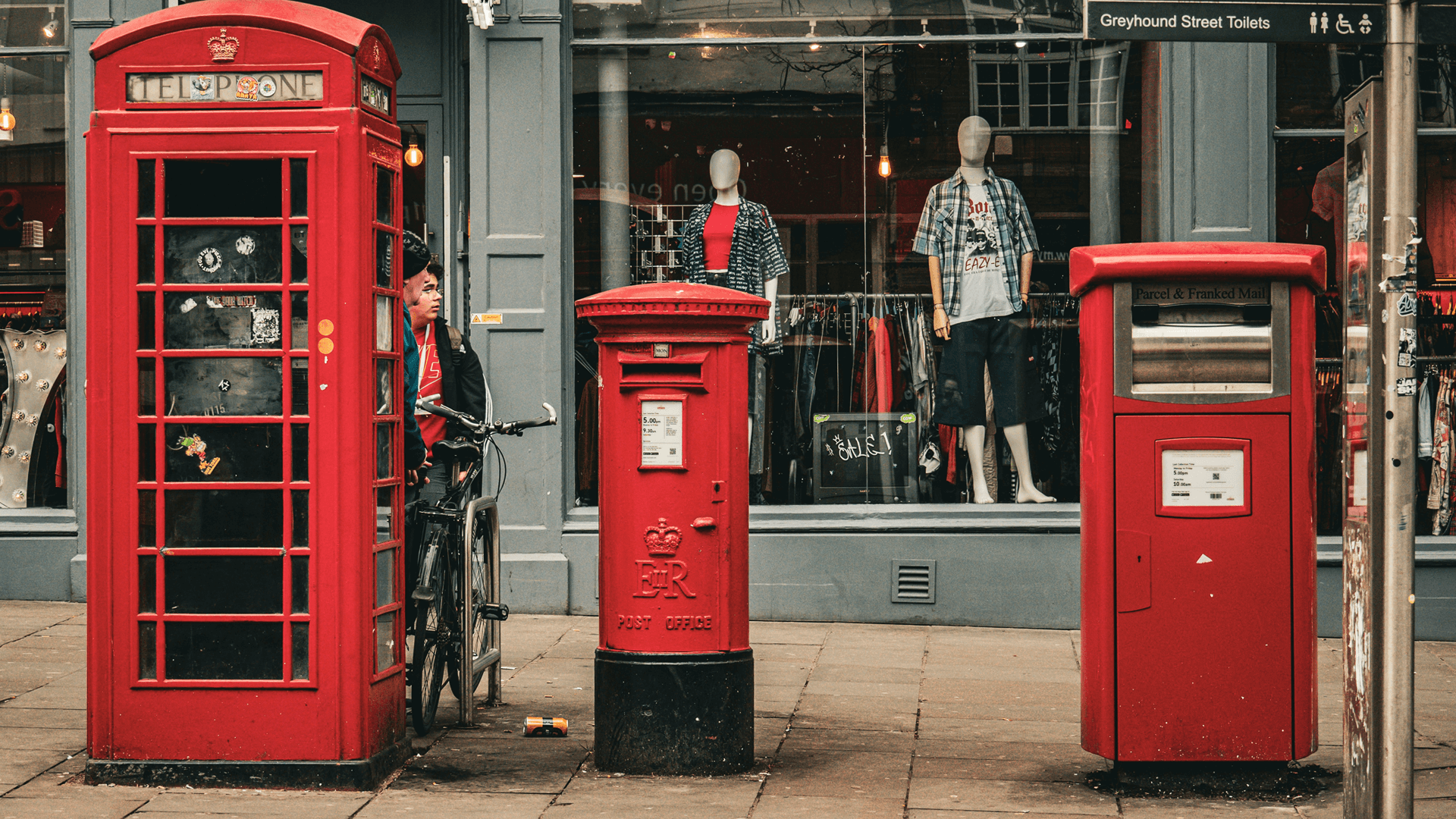
Despite many a tourist seeing archetypal Britian as a mix of the King, fish and chips, red buses, and according to some opinion polls, the ‘attractive’ British Received Pronunciation, the nation’s constantly shifting dynamics are actually far more complex.
British culture has for long been evolving, which is part and parcel of being a colonial power that appropriates (or steals, if you prefer) traditions from the 25% of the world it has ownership ties to.
From British staples like tea originating from China in the 1650’s, to one of its national dish being a Chicken tikka masala, I think it’s safe to say that true British culture is a hybrid of different cultures, beliefs, and traditions.
Pointing fingers at migrants
Migration being a culture threat and a disruption to social cohesion has been bombarding British news channels, political manifestos, and campaigns all over the nation for the last half-decade.
Top of the debate in its most recent phase is Reform, which is pledging a whopping £13 billion towards a tentatively packaged xenophobic ‘Reclaiming Britian’ plan.
Although migration is on the rise in Britian, here’s why I believe that doesn’t compromise British culture.
Registered migrants bring a lot to our country, from helping the economy by contributing more tax, to addressing skill shortages in key industry’s like healthcare and saving the crippling NHS.
Above all, though, they enrich British culture, making beautiful diverse hybrids and sub-sections.
Second, third, and fourth generation migrants aren’t any less British because they have a hyphen between both of their Identity’s, they’re simply a product of globalisation.
Migrants bring new trends, fashion, music and brighten up our taste buds with fusion dishes. Who doesn’t love Bacon and Egg Bao Buns and Curry Goat Shepards pies?
Who is really killing British culture?
Well, ‘killing’ is a strong word, but it is true to acknowledge that perhaps British culture may feel diluted in comparison to Americanisation.
Americanisation is the spread of US culture, business, technology, and social values across the globe, leading other nations to adopt American-style practices.
Language has been a big shift with the implementation of more American media and consumerism. Platforms like TikTok, Instagram, Twitch, and YouTube have become popular at such a rapid speed.
This leaves British media like the BBC and Chanel 4 in the dust.
Although shows like Love Island and The Apprentice remain vastly popular in Britian, many young people consume abundances of American media, swapping shows like Only Fools and Horses to watch popular streamers such as Kai Cenat.
Influencers, media, and politics shifts culture, especially through language. With 65% of British primary teacher reporting hearing ‘candy’ in the classroom rather than sweets.
Even politics has shifted in Britian, with the rise of Right-Wing popularism or Trump-style politics mirrored in the rise of Reform UK and Nigel Farage. Rallies are becoming more performative too, including singing on stage, big entrances, and social media edits becoming the norm.
Other parties like Labour have had their fair share of Americanisation also, with tactics like meme attacks on candidates becoming normalised, as seen with the 2024 General Election, to tax money being used on edits of PM Keir Starmer.