






 0 comments
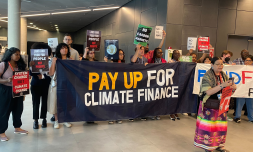
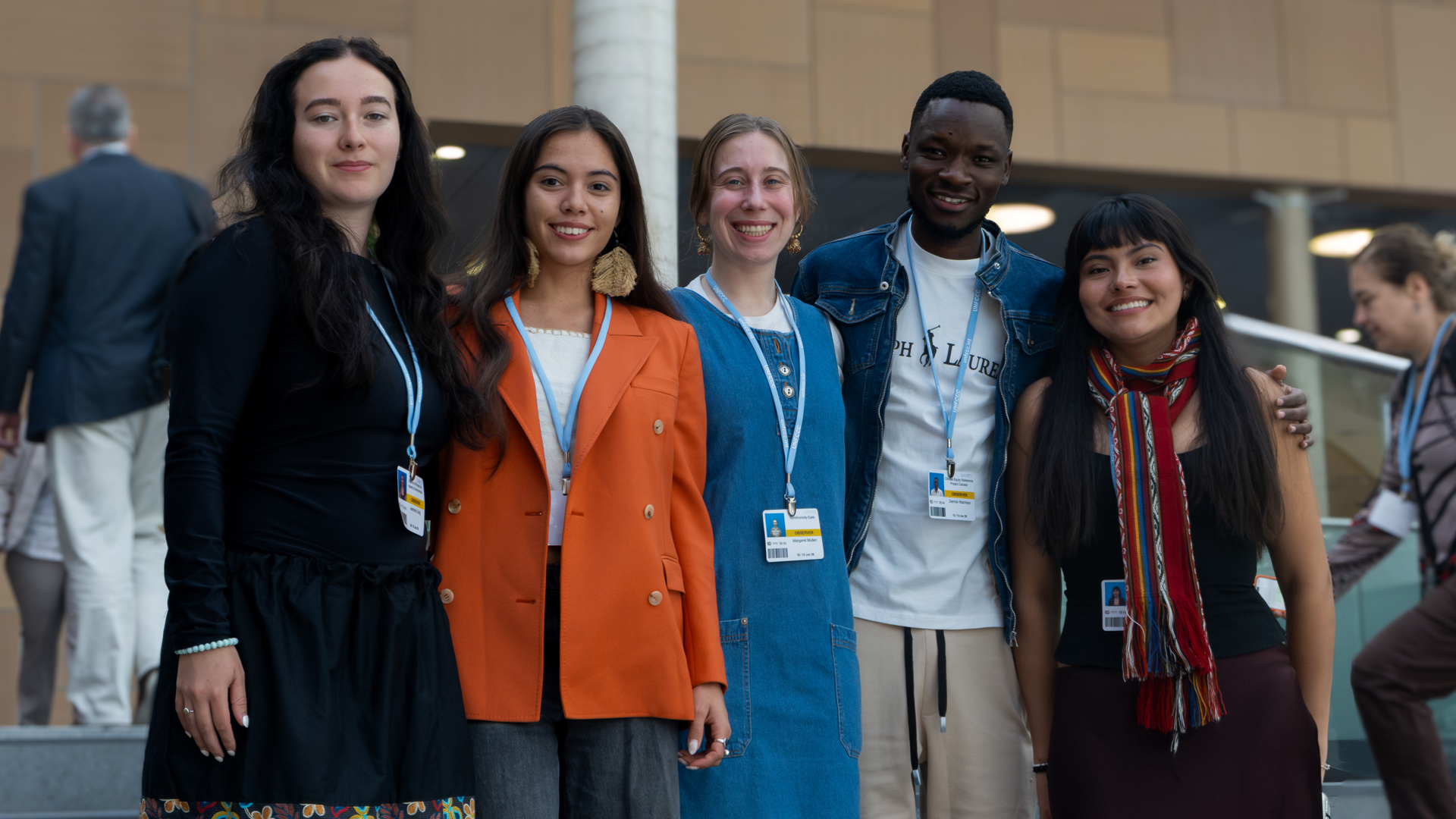
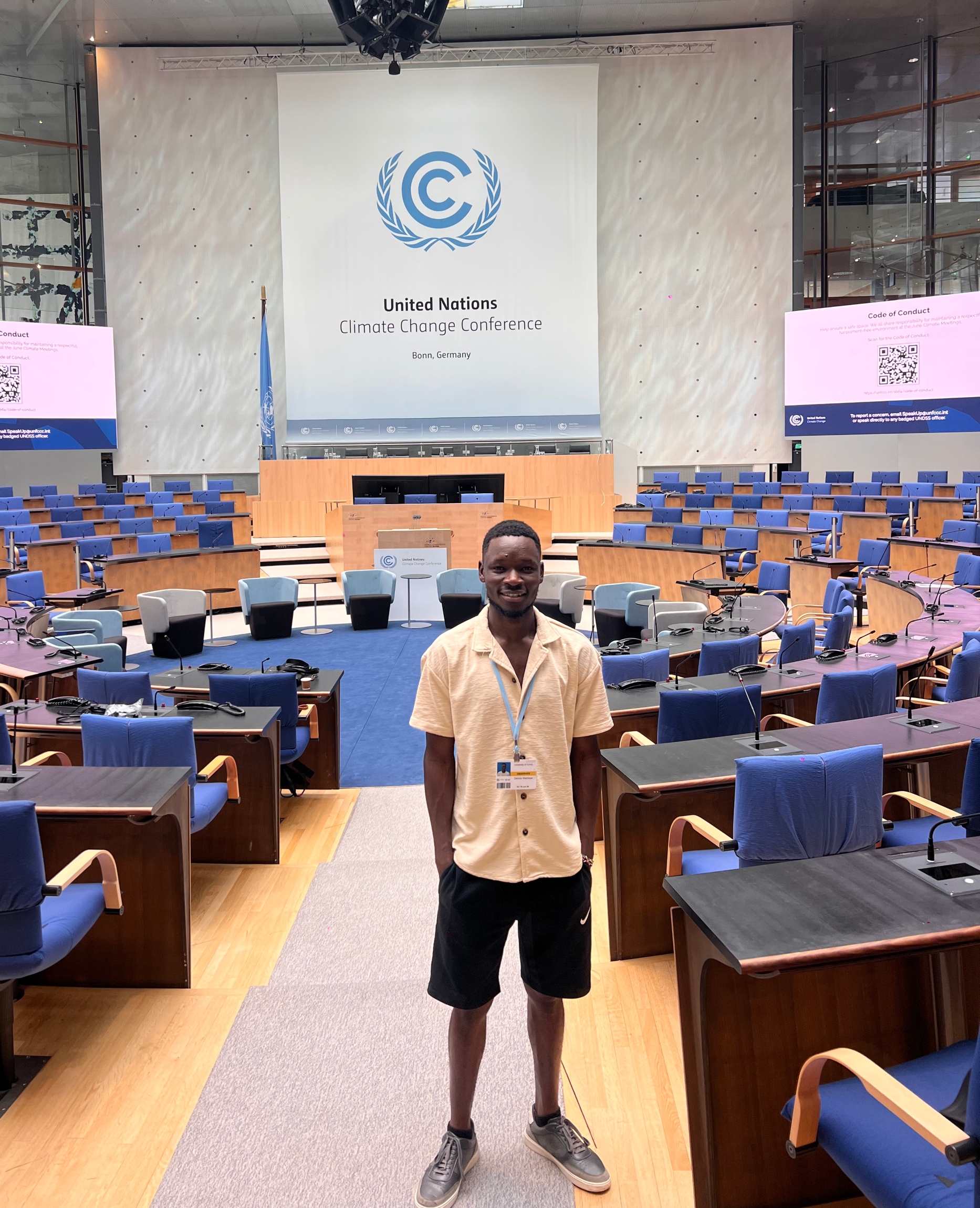
Last month, delegates, negotiators, observers, researchers, youth advocates, and representatives from civil society convened for the 64th sessions of the Subsidiary Bodies (SB64) under the United Nations Framework Convention on Climate Change (UNFCCC) in Bonn, Germany. Here are my main takeaways.
As I returned to Bonn during this year’s SB64, like most returning observers, I had expectations of technical meetings filled with dense negotiating texts and procedural debates.
Behind each bracketed section and contested text are individuals waiting for climate finance, farmers struggling with uncertain weather patterns, Indigenous communities protecting their biodiversity, and people losing their homes due to climate impacts.
Agriculture must not be forgotten
One of the negotiations that I followed closely was the one around Agriculture and Food Systems under the Sharm el-Sheikh Joint Work on the Implementation of Climate Action on Agriculture and Food Security.
Although less covered compared to carbon markets and other global emissions-related measures, agriculture remains central to climate perseverance. Hundreds of millions of people in the world, especially in Africa, rely directly on agriculture for their survival. Climate change is already affecting precipitation cycles, causing droughts, lower yields, and disrupting food systems.
The negotiations made clear the gap between developed countries and G77 and China. The focus was largely placed on the ways countries could identify their implementation needs, as well as access resources to implement them.
The discussion highlights a greater problem which has been a part of UN climate discussions for some time now. The developing countries have continued to emphasize that it is not enough to make commitments without implementing them. There needs to be a concrete effort to help farmers and the food system cope with climate change.
Food security is one of the objectives mentioned in the mandate of the UNFCCC itself. The Sharm el-Sheikh Joint Work Programme further helps in having climate action in agriculture while securing food security at the same time and considering that food production systems can be vulnerable to climate change.
One thing was evident from following such discussions – there is no way that we should expect food-insecure countries to bear the entire responsibility of adapting to climate change without any international support. The agricultural sector is not just any other point in the negotiations – it is much more than that.
Climate displacement requires more inclusion
Another interesting side-event for me concerned the topic ‘Effective Climate Action in Forced Displacement: The Importance of Data and Disability Inclusion’.
The representatives of the International Organization for Migration (IOM) stressed that about 30 million cases of climate-driven displacement had taken place in 2025. Although global statistics collection has become significantly better, many issues still persist regarding the inclusion of persons with disabilities into the processes of forced migration due to climate.
What I found especially interesting was the issue of Indigenous Peoples with disabilities.
It became clear that the combination of historical marginalization, structural poverty, colonial past, and isolation in geographically remote regions make these people particularly vulnerable. The speakers emphasized that the remote location of Indigenous Peoples means poor accessibility to emergency services, medical aid, and infrastructure facilities.
People with disabilities suffer greatly from the inability to evacuate, receive necessary information and services in case of climate disaster.
The main conclusion I made from the presentation is that disability inclusion must not become an afterthought in climate policy. It is impossible to achieve climate justice while ignoring whole categories of people in the process of adaptation and disaster management.
Adaptation relies on partnerships, yet partnerships should always be equal
As part of my observation, I attended an informal consultation under the ‘Nairobi Work Programme on impacts, vulnerability, and adaptation to climate change.’
At first, it looked like a technical debate. The delegates discussed every single paragraph, to figure out whether some of the texts should be left or removed. However, what was at stake during the discussion was the issue of equity and ownership.
One of the controversial issues was related to the language urging the engagement of new partners, including universities from developing nations. Although both the European Union and Canada found this language necessary, for the enhancement of adaptation knowledge and cooperation, both the AGN, and Arab Group suggested removing the whole paragraph.
It became clear that partnerships are beneficial only when they are responsive to the national needs instead of imposing extra burden for reporting and coordinating.
Another paragraph urging the provision of financial and in-kind assistance for implementation of activities within the Nairobi Work Programme got approval from the African Group, repeating the same message which was echoed during all SB64; adaptation requires funding, not just recommendations.
Finance will be the most important negotiation
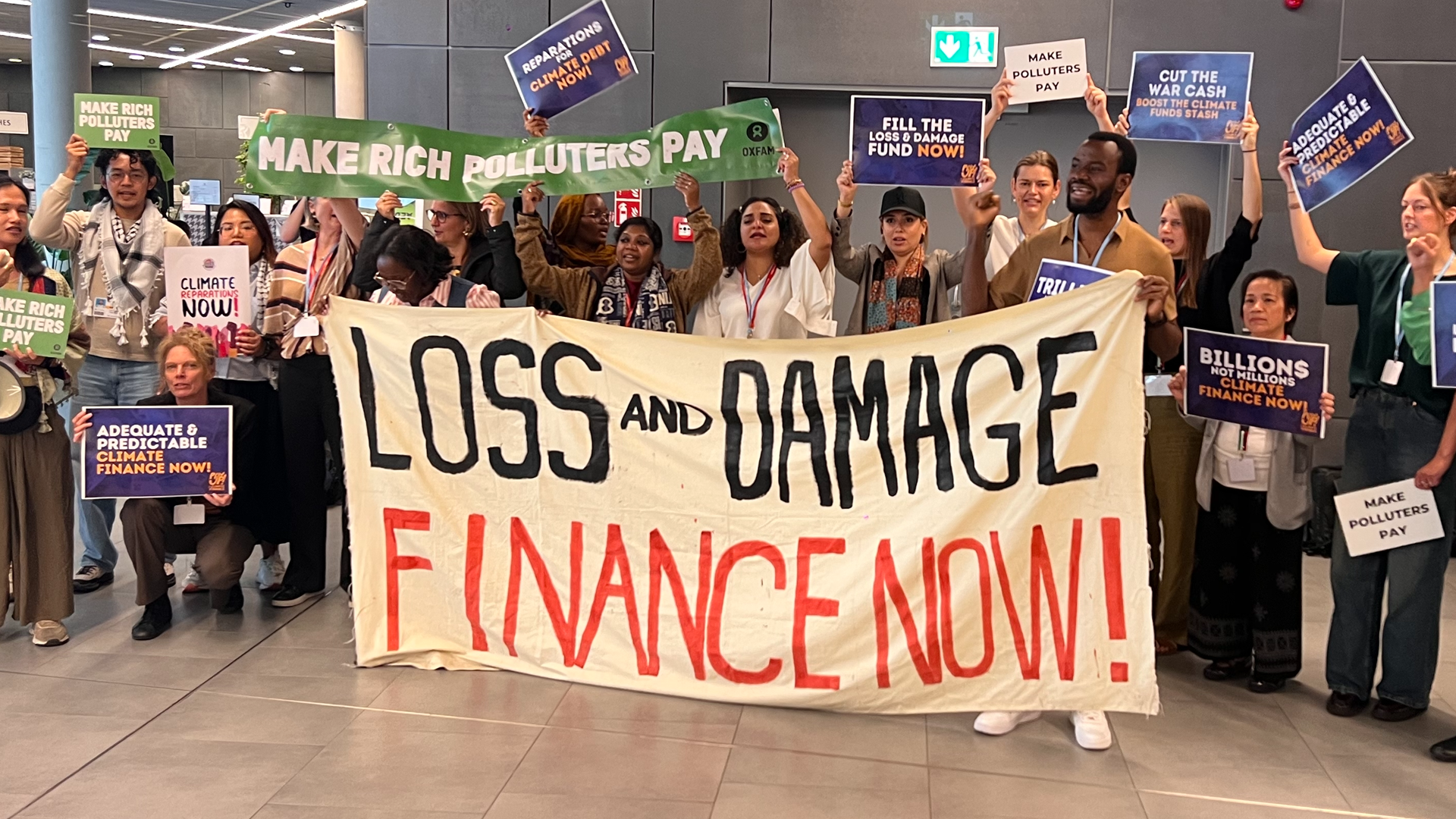
The most significant climate finance moment happened during the African Group of Negotiators’ press briefing. Here, climate finance concerns dominated numerous agenda items.
AGN members were worried about negotiation outcomes weakening commitments to the Adaptation Fund. They were also worried about the lack of technology support, the absence of an agenda item on climate finance under Article 9.1 of the Paris Agreement, and the lack of a separate dialogue on trade and climate change during SB64.
The question from developing countries was not whether climate action should occur, but whether the action would be accompanied by finance and technology.
Other related discussions on the Just Transition highlighted the same concerns.
It was reiterated that finance, technology transfer, and the needs of most climate vulnerable groups, particularly women, youth, and local communities, must be prioritized. The transition to a low carbon economy must not exacerbate inequities or leave developing countries with no means to adapt to and thrive.
Listening to these interventions, it became more evident that the challenge of the Paris Agreement is the lack of implementation. Indeed, the focus has shifted from negotiating the most ambitious goals to proving that goals will be achieved.