






 0 comments
As conditions aboard the USS Abraham Lincoln raise concerns over soldiers’ mental health, a worrying pattern is emerging of military ambition being placed above the welfare of soldiers.
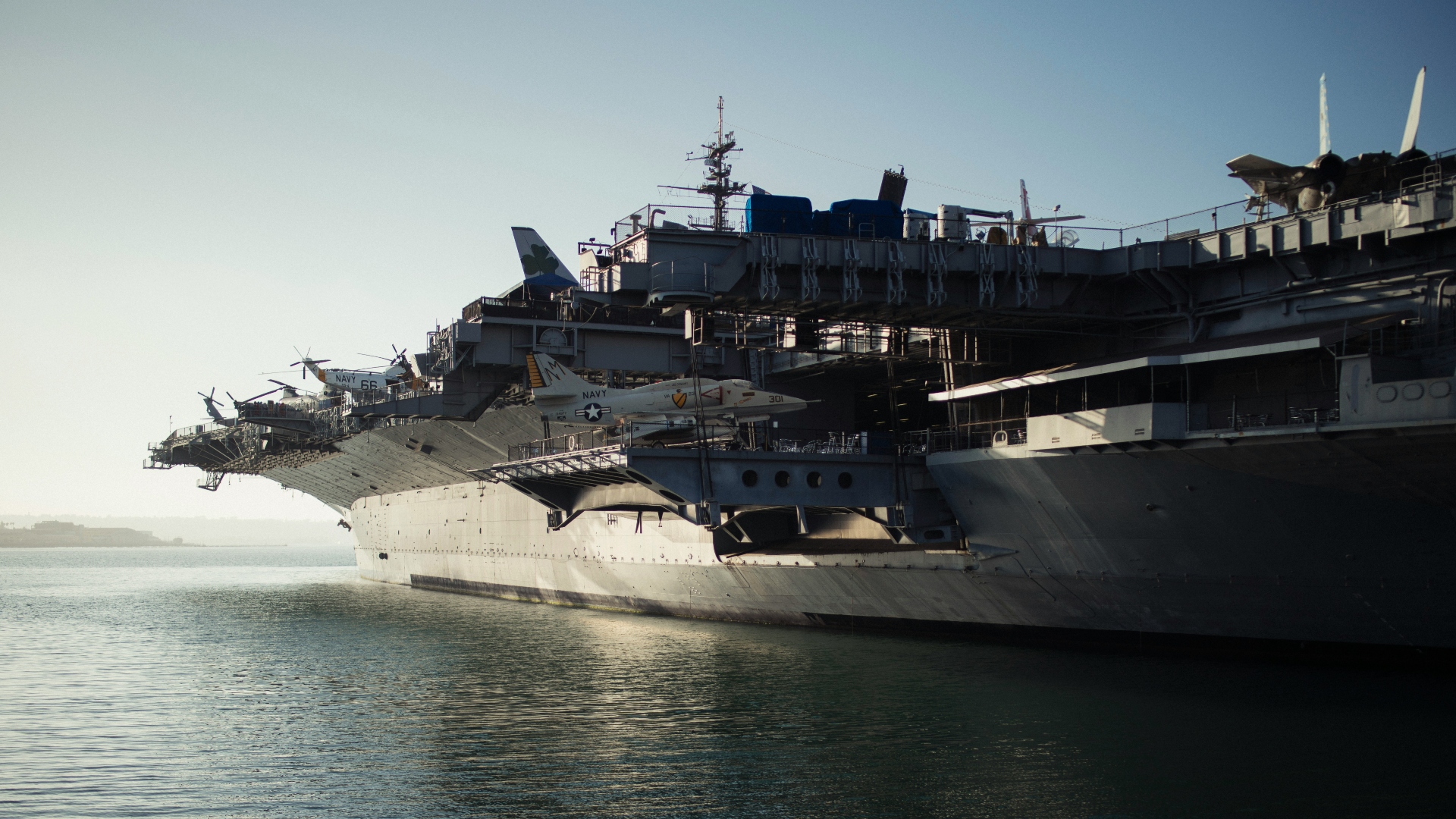
For nearly nine months, the USS Abraham Lincoln has been stationed near the Middle East, aiding the US in its campaign against Iran.
Though its deployment was initially intended as a seven-month routine mission, its purpose quickly shifted amid rising tensions in the Middle East. Since then, its presence near the Strait of Hormuz has seen no port landings due to safety concerns, 12 to 16-hour working days, and a shortage of food and necessities.
This has resulted in many friends, families, and experts expressing concerns over the mental health of the soldiers aboard the carrier. Trepidations were exacerbated after one soldier jumped overboard, though he was thankfully rescued.
In brief, this situation has highlighted how prolonged deployment, coupled with limited avenues for support, contributes to serious mental distress even among the toughest of soldiers.
And thanks to the considerable attention given to the carrier in the past few weeks, the Trump administration has prompted the USS George Washington to relieve the Abraham Lincoln in the next few days.
However, despite this isolated effort, the administration’s overall response to this matter has been anything but reassuring and begs the question: why did it take this long for relief to arrive?
Well, it’s probably because Trump’s immediate response was to dismiss the severity of the situation, going to the extent of saying that the USS A.L. had been out there ‘not nearly long enough’. The administration has since pushed back on all the reports on the carrier’s conditions, with Defense Secretary Pete Hegseth claiming that the facts had been ‘completely misrepresented’.
The concerns raised by families and the sailors themselves point to a much larger systemic issue within US military affairs. And in the case of the Trump administration, dismissing the concerns of sailors who are stuck at sea for over 260 days, with nowhere to go, paints a picture of exactly where soldier welfare sits among the administration’s priorities.
And unfortunately, this is hardly the first time that Trump’s treatment of America’s service members has come under scrutiny. One recent example involves the detention of over 50 spouses and parents of active-duty soldiers by immigration authorities. Such efforts have seen the forced deportation of six people and one self-deportation.
Experts have warned that such policies would not only leave soldiers without a support system but also force some to leave their military posts.
In another instance, during his first term, he declared a national emergency to fund the building of the US-Mexico wall, except that over $3 billion of it came from the military construction budget. This budget affected 127 military projects that were meant to support the daily lives of service members and their families, rather than military operations themselves.
Even veterans have been affected by Trump’s policies. Their access to healthcare has also been affected due to the loss of 40,000 employees from the Department of Veterans Affairs just last year due to toxic work conditions and baseless firings. This has not only increased waiting times for mental health care but also limited access to much needed therapy.
And sadly, this insensitivity towards their welfare does not end with existing soldiers, but also extends to fallen ones and their families. During his first term, in a phone call with the widow of a fallen soldier, Trump reportedly told her that her husband ‘knew what he signed up for’. Years later, he faced further backlash after refusing to visit a cemetery of US soldiers in France because he thought these fallen soldiers were ‘losers’.
When put together with the recent events of the Abraham Lincoln, a clear pattern emerges strengthening the argument that Trump has little regard for soldiers’ well-being.