






 0 comments
Presidential plans to destroy $10m worth of hormonal contraception have left the fate of birth control in America unclear.
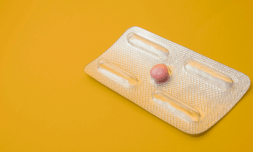
Earlier in the summer, the Trump administration reportedly planned to destroy (specifically burn) almost $10m worth of birth control pills, IUDs and hormonal implants. All of the medication had been purchased by U.S.A.I.D and was intended for use by women in low-income countries.
The move came as part of the president’s end to foreign aid, with the state department deciding to destroy the contraceptives in part because of US laws that prohibit sending aid to countries that provide abortion services.
Trump has been firm in his stance against any government operations deemed remotely left-leaning. From crack-downs on university diversity, equity and inclusion (DEI) initiatives to a general war on what the administration deems ‘woke’ culture.
‘The Trump Administration is committed to getting America’s fiscal house in order by cutting government spending that is woke, weaponised, and wasteful,’ the White House said in a statement a few months ago. It was unclear what, exactly, falls into these three categories.
And while the destruction of millions of dollars worth of contraception may be framed as an economic decision, the irony is that the move will cost US taxpayers around $167,000.
The medication is primarily long-acting, like IUDs and implants, and intended for women in countries across Africa, according to two senior congressional aides. The birth control is being housed at a warehouse in Belgium and has been since plans for its destruction were first announced in July. Their fate remains unclear, but The New York Times reinforced humanitarian fears when it reported the contraceptive medication had indeed been disposed of.
‘It is unacceptable that the State Department would move forward with the destruction of more than $9m in taxpayer-funded family planning commodities purchased to support women in crisis settings, including war zones and refugee camps,’ Jeanne Shaheen, a Democratic senator from New Hampshire, said in a statement.
Belgium’s foreign ministry has not yet responded to questions about the status of the contraceptives, creating an ambiguity that has given aid groups a sense of hope. Of the $10m worth of drugs so far unaccounted for, more than three-quarters were destined for just five countries: the Democratic Republic of the Congo, Kenya, Tanzania, Zambia and Mali. Tanzania, which was due to receive 40% of the stock, will feel the effects most harshly.
MSI Reproductive Choices, a global family planning organisation, has tried to purchase contraceptives from the US government to no avail. Sarah Shaw, the company’s associate director of advocacy, has said the agency could not afford to pay full price – currently the only amount the government is willing to accept.
Internally, the MSI has conducted surveys to garner how their projects – which run in multiple countries – are faring in the face of birth control crackdowns. Findings suggest that 10 countries are expected to run out of stock of at least one contraceptive method in the next month.
‘The fact that the contraceptives are going to be burned when there’s so much need – it’s just egregious,’ Shaw says. ‘It’s disgusting.’