






























 0 comments
Trump recently imposed a $100,000 fee on H-1B visas for skilled foreign workers in the US. Given India accounted for 71% of this group in 2024, its government is seething over what it believes is an attempted ousting.
Trump has been, let’s say, uncompromising when it comes to US immigration policies. The latest palaver feels particularly brazen, however. Even by his standards.
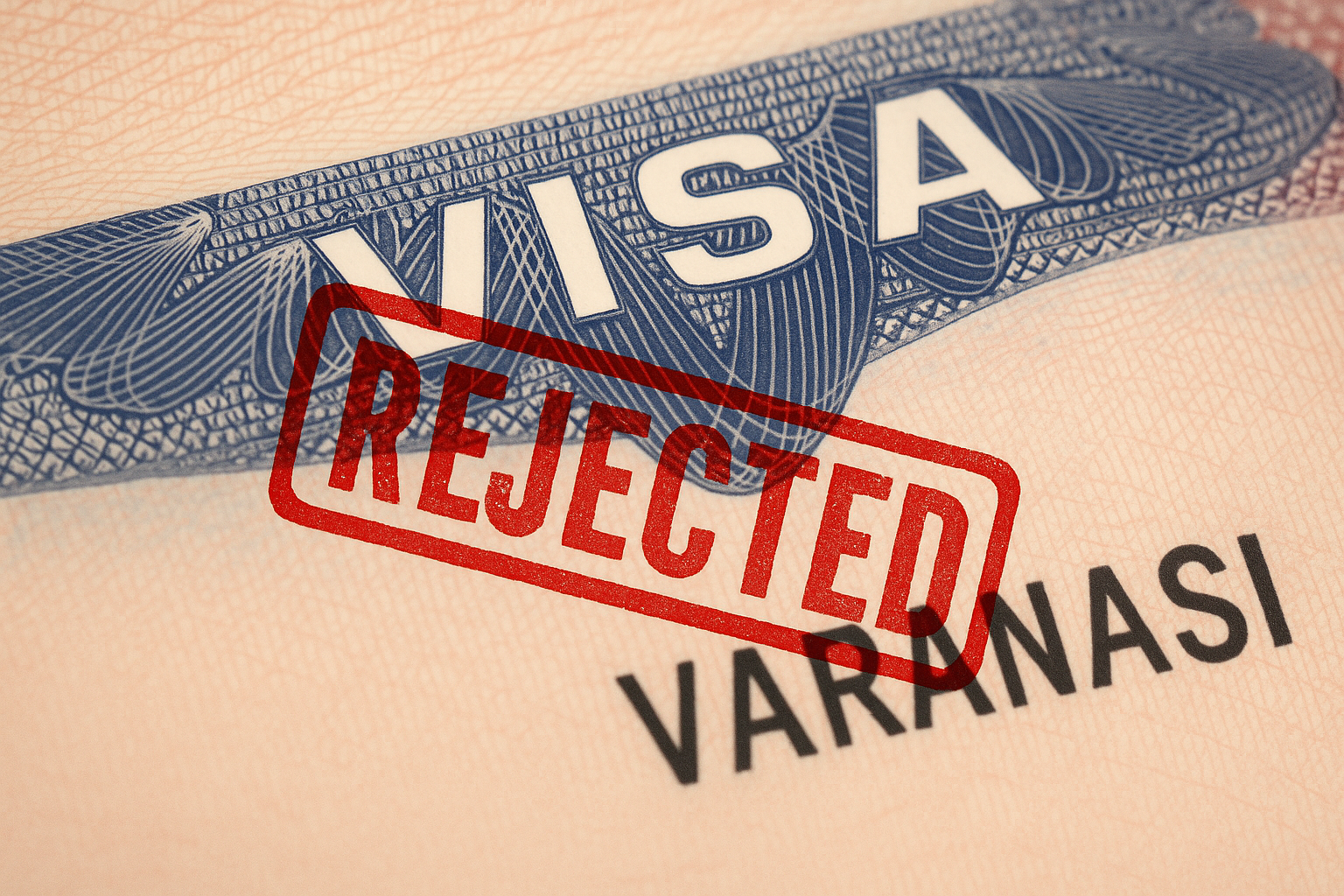
Late last week, the President signed a proclamation imposing an eye-watering $100,000 fee for H-1B visas. That means foreign workers hired for specialised jobs in tech, engineering, finance, or medicine are facing a 6500% hike on the previous fees of approximately $1,500 (and that’s high end).
The immediate perception was that the move was a nuclear attempt to oust foreign influence within the US, rather than a move aimed at economic benefit. Given India accounted for 71% of approved H-1B visas last year, its government was extremely concerned and warned of ‘humanitarian consequences.’ One minister claimed the US is ‘afraid of our talent.’
The White House justifies the extreme measure by claiming the visas were being ‘abused’ to undercut American wages and outsource IT jobs, in that thousands of US workers were allegedly being laid off and replaced by cheaper foreign labour from other countries – like India. People on H-1B visas reportedly account for 65% of the IT workforce in the US.
Though it wasn’t immediately clear, it has since been clarified that the massive fees will apply to new H-1B applicants only and not those seeking to renew. The damage, however, is already done.
India’s top IT giants saw share prices tumble, Google, Microsoft, JP Morgan, Meta, and Amazon – who outsource businesses through H-1b networks – were also impacted, and Indian citizens cancelled travel and holidays en masse, amid widespread panic they’d be met at the border with a $100,000 bill upon returning.
Nasscom, India’s IT trade body, said the move would ‘potentially have ripple effects on America’s innovation ecosystem,’ drumming up ‘considerable uncertainty for businesses, professionals, and students across the world’. Elsewhere, Telangana’s chief minister, Revanth Reddy urged Narendra Modi to treat the issue on a ‘war footing.’
It’s not just India under the iron fist, either.