






 0 comments
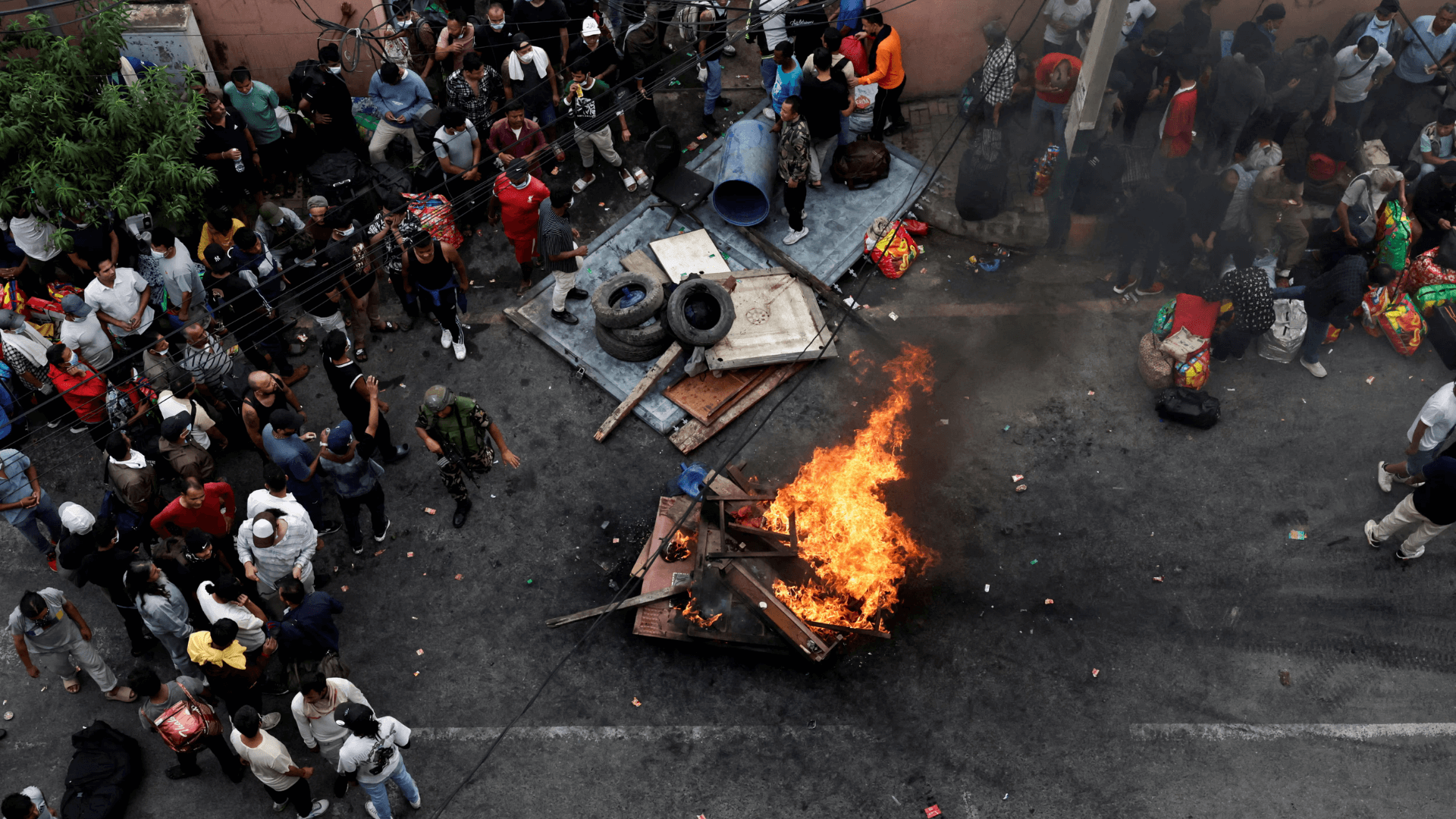
Public outrage has ensued in Nepal after 22 people were killed during police clashes at anti-corruption protests. The youth-led movement is rooted in demands for an end to political corruption and social inequality, and came to a head after a government-enforced social media ban.
Nepal’s Prime Minister KP Sharma Oli has resigned in light of allegations of widespread corruption in his government. The move comes after 22 people were killed during police clashes at youth-led anti-corruption protests in the country’s capital, Kathmandu.
The unprecedented demonstrations erupted after the enforcement of a nationwide government ban on 26 social media platforms, including WhatsApp, Instagram, and Facebook. This ban was the catalyst for multi-day protests of a scale never seen in Nepal.
Thousands of young people turned out on the Kathmandu’s streets on Monday September 8th, carrying signs stating that they were members of Gen Z. Though there is no official leading group for the demonstrations, several youth collectives have been issuing calls to action, in particular at universities across Nepal.
In response to the uprising, police used tear gas, water cannons, and fired live bullets at protestors, many of who could be seen climbing the walls of key government offices, including the parliament building.
Despite tightened security and police-enforced curfews around central government buildings, protestors managed to breach the perimeter of the parliament building in Kathmandu and set it on fire. Additional government buildings and the houses of political leaders were reportedly attacked around the country, with videos showing then engulfed in large plumes of smoke.
Many of the Gen Z groups leading the anti-corruption protests have distanced themselves from the widespread destruction of their city, stating that their cause had been ‘hijacked’ by ‘opportunists’. In the calmer hours of Wednesday, groups of young people could be seen cleaning up debris and sweeping the city streets.