






 0 comments
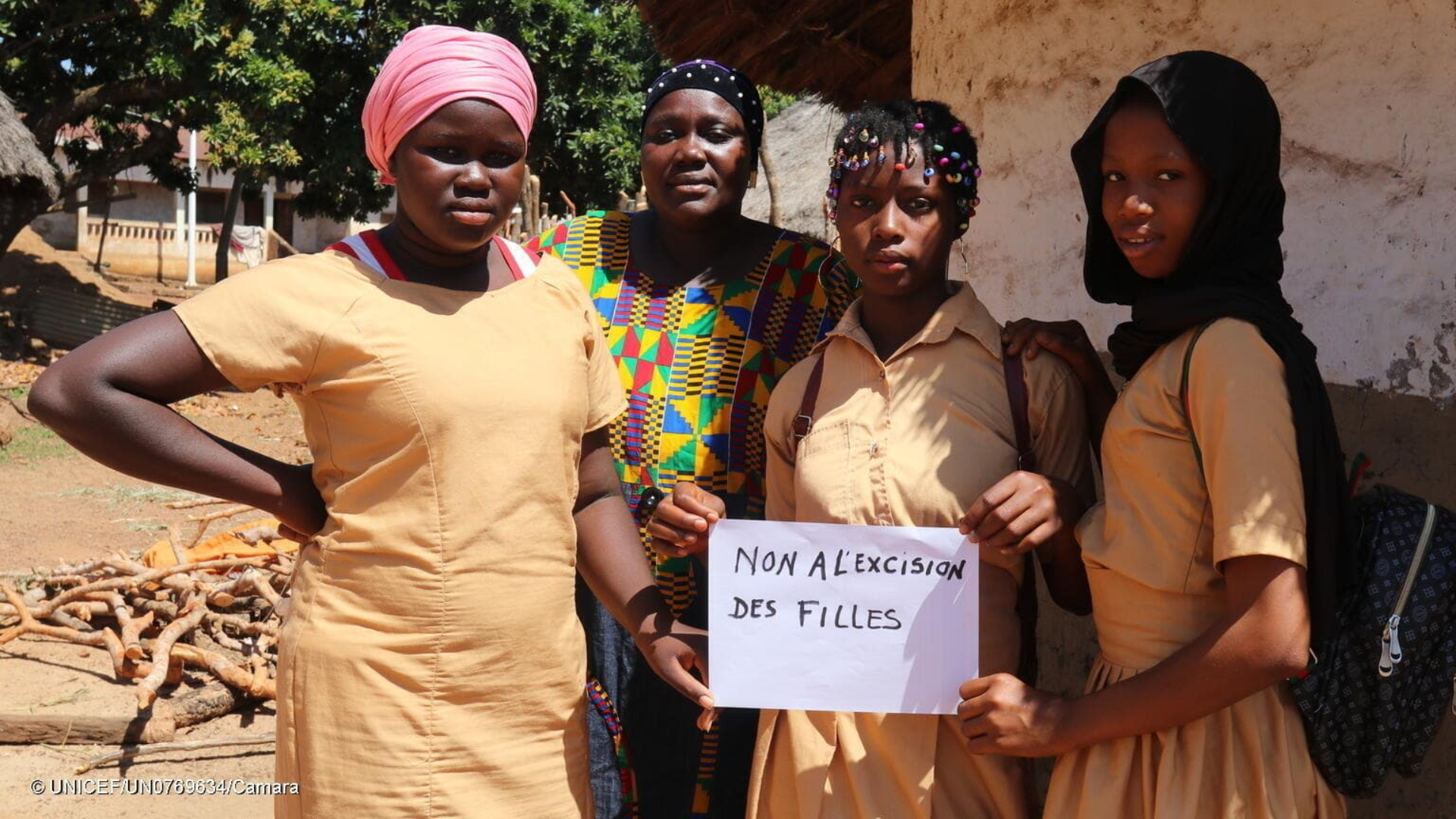
In 2015, Gambia banned female genital cutting, making it one of the few countries in West Africa to criminalize the practice. On the grounds of culture and tradition, this progress is now under threat of unravelling.
The legal system in Gambia is currently experiencing a second challenge to the ban on Female Genital Mutilation (FGM).
Through the courts, religious organizations and a member of parliament are making arguments that the law is in conflict with the religious and cultural rights of the people of Gambia to practice what they claim is ‘female circumcision’ and not ‘female genital mutilation.’
Should the ban be removed, it would make Gambia the first nation to have cancelled an official ban on Female Genital Mutilation. The implications of this for activists and for human rights organizations are shocking.
While the plaintiffs in the case continue to make claims that what they practice is not an act of harm but rather a religious rite, the scientific community and global organisations have rejected that distinction.
The United Nations, the World Health Organization, and the United Nations International Children’s Fund, have all made official declarations that Female Genital Mutilation and all forms of female genital cutting cause irreversible injury both physically and psychologically.
Over 200 million women and girls living today have undergone FGM, according to international health estimates. It’s most common in various regions of Africa, the Middle East, and Asia, where millions of girls are at risk every year.
FGM has been a cultural practice of resilience in Gambia, where it is often performed on girls or infants before the age of five. The enforcement of the prohibition of FGM in 2015 has been sporadic, with very few prosecutions, and the practice continues to be secretly conducted and across the borders of the country.
The current legal case concerning the legality of the current prohibition is of particular significance beyond the country. This case makes it clear that laws do not exist in a vacuum, but are instead colored by culture, religion, and power.
Cultural justification has long been used throughout the continent to enable early marriage of girls, to deny them education, and gender violence against women. In each of these cases, progress was made not through preserving culture for the sole purpose of preserving culture, but rather through asking who culture serves.
Advocates for human rights are concerned that enacting legal protections for FGM in Gambia under religious justification will create a dangerous precedent which may lead to the same types of legal regressions in other countries.