






 0 comments
Tourists are being urged to travel with caution after eight popular tourist destinations were listed as potential hot spots for lethal methanol poisoning.
The UK foreign office has added eight countries – all tourist hot spots – to its warning list over methanol poisoning. Ecuador, Japan, Kenya, Mexico, Nigeria, Peru, Russia and Uganda are included in updated travel guidance that is urging travellers to heed extreme caution following incidents involving Britons in those countries.
Methanol is an industrial alcohol found in paint thinners and anti-freeze. In some countries it’s mixed with drinking alcohol illegally in order to cut costs – posing lethal risks to those drinking cocktails and spirits at cheap venues.
Even small amounts of methanol can cause blindness or death within 12-48 hours of consumption. But the substance itself is tasteless and odourless, making it impossible to detect.
The Home Office advice previously covered countries including Thailand, Laos and Vietnam, Cambodia and Turkey – with methanol poisoning making headlines last year after six travellers died in Laos. Among the victims was 19-year-old Australian Holly Bowles, who was killed after unknowingly drinking methanol at a bar.
These poisonings triggered a surge in education around methanol and led to a widespread campaign outlining the dangers of consuming cheap alcohol abroad. But there’s little that can be done to trace methanol before it’s too late. As part of this latest warning list, travellers are being advised to look out for signs of poisoning including blurred vision and confusion.
According to the government website, methanol poisoning symptoms hit harder and faster than regular alcohol. ‘If you’re suddenly dizzy, nauseous, or struggling to see properly after just a couple of drinks, something’s off.’
The campaign also highlights the risk of spiking, and urges individuals to stay with those they trust and never leave drinks unattended.
But recent visitors to the listed countries have expressed concern that not enough is being done to raise awareness amongst tourists.
Morgan, a Briton who visited Japan, contacted the BBC to suggest tourists were unaware of the potential risks of methanol poisoning.
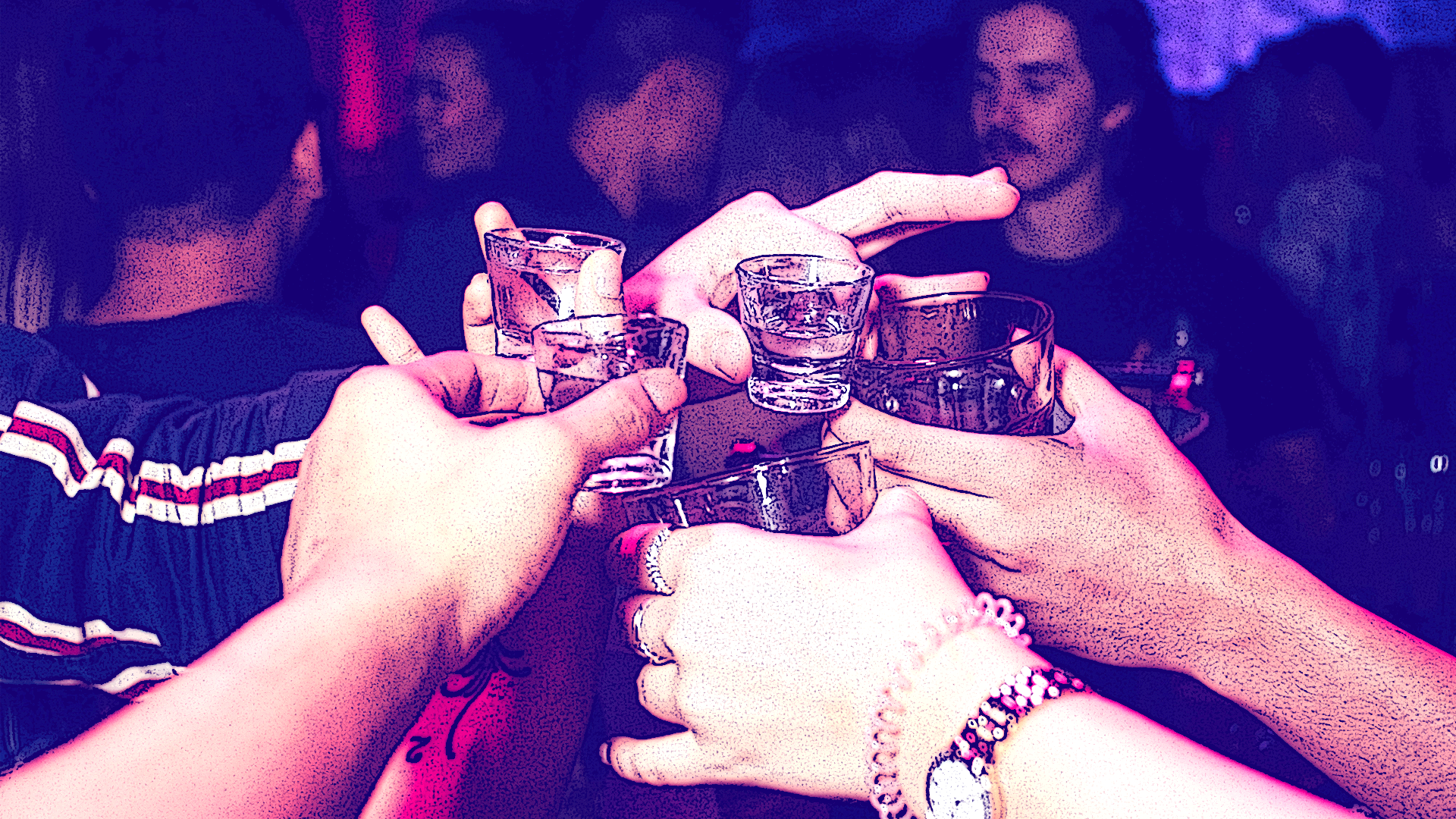
‘The offering would be ‘come and get a free shot with me – we’ve got tequila, we’ve got vodka,’ she said.
‘Obviously, you are taking their word for it. It’s quite dangerous in that sense. There were loads of other tourists just taking the shots, just drinking, not seeing where the bottle was from.’
Calum Macdonald was a victim of methanol poisoning in 2024, and went blind during a trip to Laos. He highlighted the urgency for education around the issue, telling the BBC: ‘I think it’s important that people know, obviously, because it’s quite a simple bit of information you can get that can really save you a lot of pain.’