






 0 comments
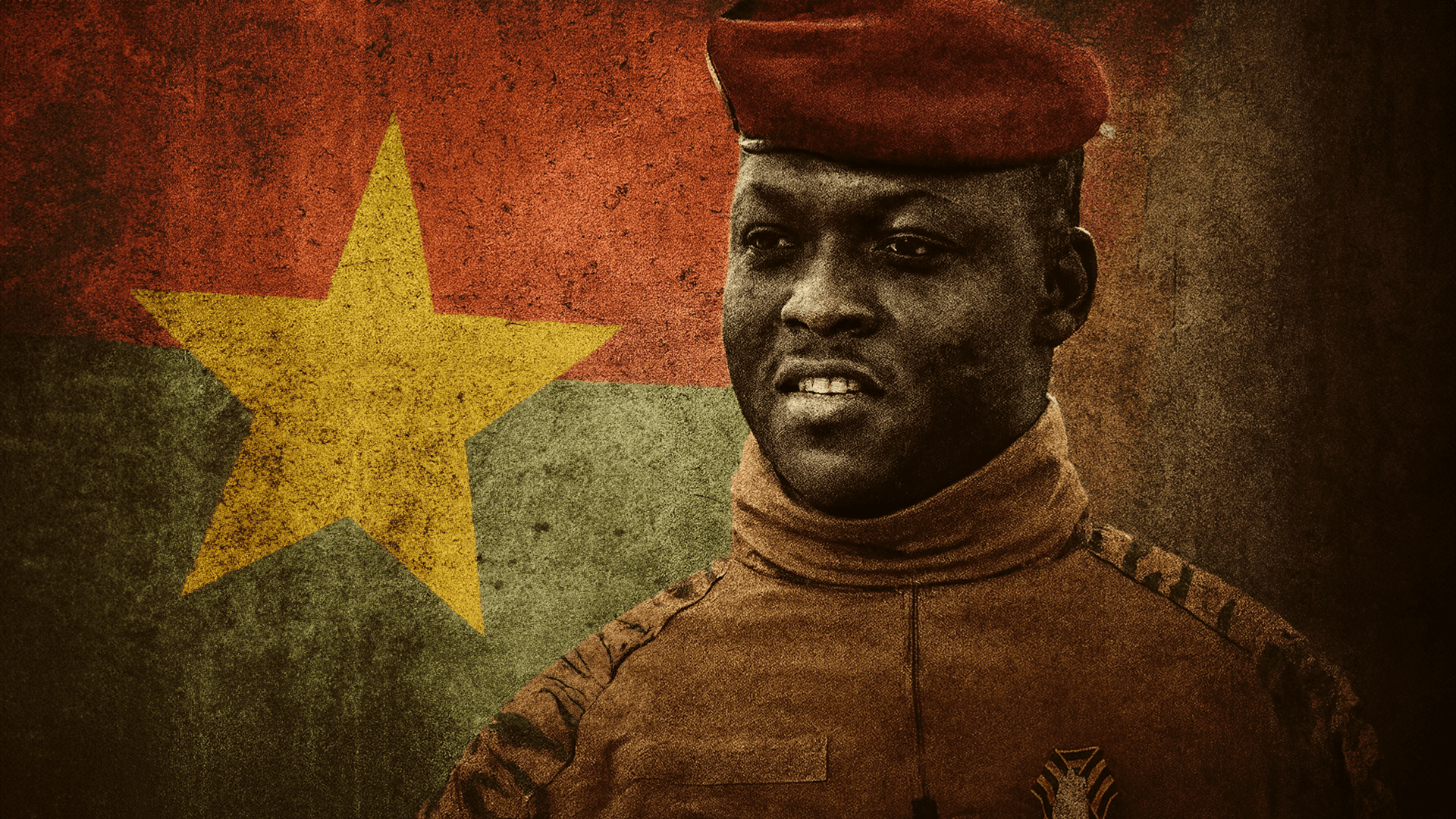
Intimately caught up in the constant tussle for domination, Burkina Faso seems to be moving backward in time. Earlier this month, the West African nation enthroned a law criminalising promotion of homosexuality, for which people may be imprisoned for two-to-five years.
Burkina Faso has long been considered comparatively safe for the LGBTQ+ people vis-a-vis its neighbours Mali and Ghana, but that couldn’t be further from the truth now.
Not only does the law outline punishments for same-sex partners, but adoption rights, censorship of various media, and in extreme cases, expulsion of foreigners are some of its other implementations.
This response forces Burkina Faso into a group with other nations on the continent that are retaliating against queer identities on a mass basis, and is another example of the discernible trend of rising state-sanctioned homophobia on the continent.
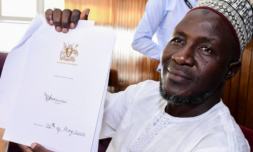
This new legislation also echoes the far-right Ugandan Anti-Homosexuality Act of 2023, and the global outrage that it generated for enacting death penalties in instances of same sex acts, as well as several other intrusive regulations. Ghana’s own ‘family values law’ is inching closer to a vote, meanwhile, while Nigeria still operates in its 2014 law that criminalises same-sex relationships with up to 14 years imprisonment.
Burkina Faso’s passage of this legislation is indicative of the fact that anti-LGBTQ+ sentiment is spreading to parts of Africa not usually characterized by it, becoming a regional anti-queer movement that normalizes hate under the veil of attempting to save ‘traditional values.’ Whatever that is supposed to mean.
For young Africans who mostly engage with world culture via TikTok, Instagram, and streaming services, the discrepancy is glaring. Online, they see queer representation and allies being celebrated, while offline, their governments are actively trying to erase that.
Behind the legislation is a stark reality, people in the LGBTQ+ community in Burkina Faso will face fragmentation of their lives – arrest, social ostracisation, loss of work, family rejection. It’s horrendously out of keeping with 2025.
Young queer people, especially Gen Z, remain silent and invisible, or risk everything by authentically being themselves.