






 0 comments
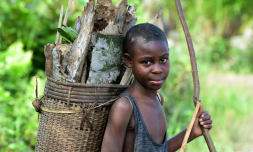
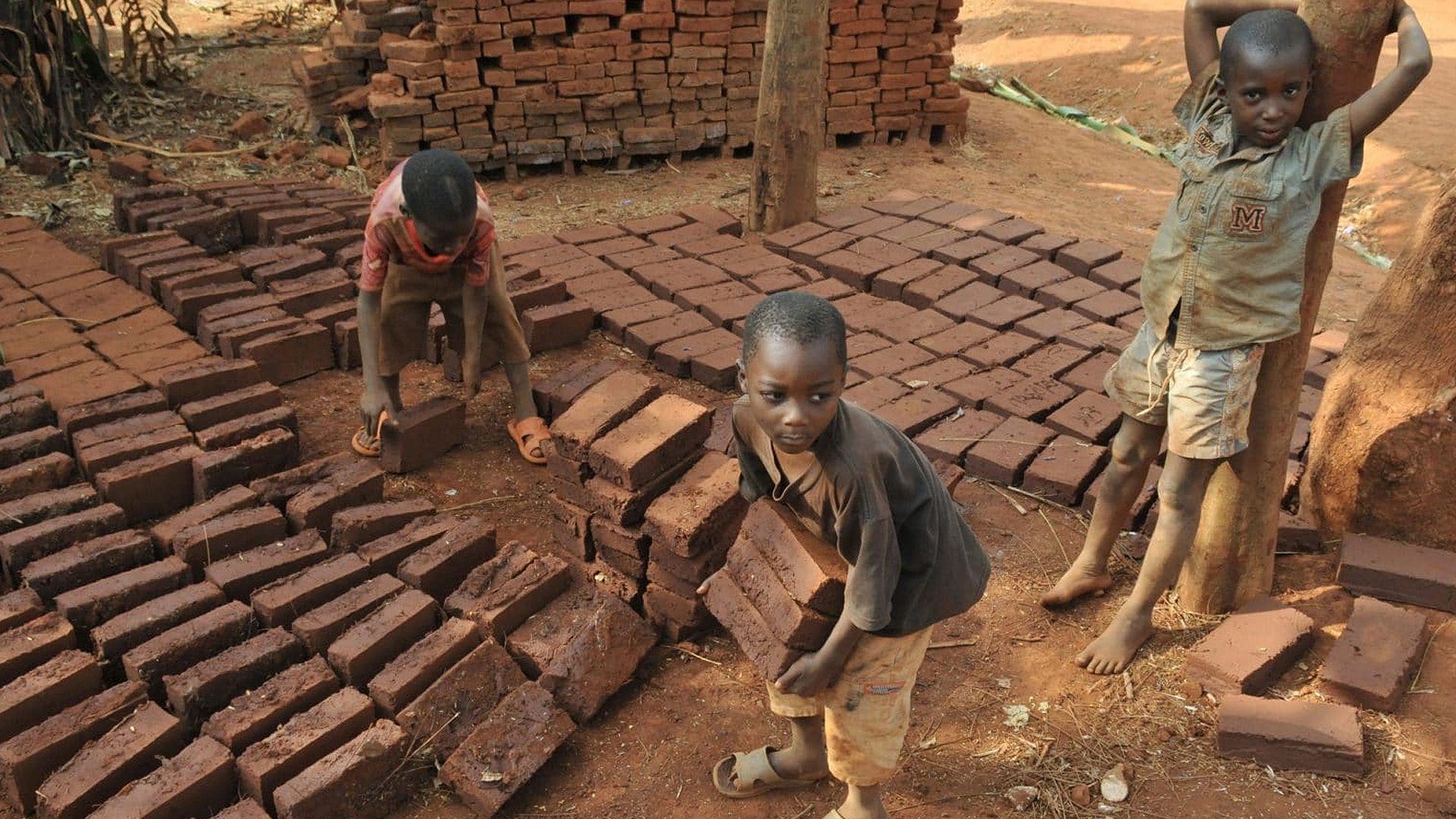
In many African countries, classrooms remain almost empty during farming season. This is due to the workforce needed on these farms, and children under 18 years, are burdened to offer such services with little to no pay.
Africa’s child labour problem has become a global crisis. The International Labour Organisation (ILO), as well as UNICEF, estimates that globally more than 160 million children are still engaged in child labour, with Africa accounting for over half, at 92 million children.
This is predominantly not from children working in factories or sweat-shops, but rather working on farms. In fact, an estimated 70% of child labourers globally are working in agriculture, whether that is tending field crops, fishing, or herding livestock – often in dangerous conditions.
In sub-Saharan Africa, it is estimated that agriculture accounts for an astounding 85% of child labour, with an estimated 61 million children involved. Many times, the children are as young as five years old, and often spend long hours in the fields exposed to sharp instruments, pesticides, and heavy loads.
Poverty, seasonal demands of work, and no alternative options for schooling keep children in the marketable labour business, and thus foster a cycle where children’s future prospects, and potential, are traded off for the immediate family survival needs of the present.
Uganda illustrates this shift starkly. From only 2.4 million children in paid labour aged 5-17 in 2016/17, to a staggering 6.2 million in 2021, children in labour more than doubled in only five years. Coffee-growing districts account for much of the surge, as families rely on children during peak harvests.
In cocoa-growing regions of Côte d’Ivoire and Ghana, the picture is equally alarming. Around 1.48 million children are involved in hazardous cocoa farming, representing nearly half of all children in farming households there. They wield machetes, carry heavy sacks, and apply toxic pesticides, tasks far too dangerous for their age.
Global demand, local exploitation
By examining the connections between a school leaver in Uganda or a young cocoa picker in Ghana, and what connects them to the rest of the world, we see what binds them collectively, the global supply chain.
Items we buy every day, like coffee, cocoa, tea, sugar and fish, rely heavily on the agriculture of Africa. Cocoa produced in Cote d’Ivoire and Ghana provide at least half of the world chocolate production. Coffee produced in Uganda, Kenya and Ethiopia sustain grocery shelves, and cafe cups, across the planet. Kenyan tea and Ugandan fish exports reach Europe and Asia daily.
Families do not force their children into labour lightly. In most cases, the decision stems from necessity, whether debts owed, seasonal income shortfalls, or the inability to afford school fees. But the costs are profound. Children who drop out of school to work have a very small chance of escaping poverty and are likely to repeat the cycle of intergenerational low-wage labour and limited opportunities.
If we do not break this pattern, children again grow up to become salary-less adults, who will then sustain their adult lives by relying on their children’s future labour.
Efforts to tackle child labour in agriculture are growing, however. Examples of projects from across Africa show what is possible if governments, communities, and international partners cooperate. For example, the UN-led CLEAR Supply Chains Project in Uganda, which tackles child labour in the coffee agribusiness sector.
The project combines monitoring and community awareness campaigns that will stem child labour by building resilient community systems. While in Kenya, ACCEL Africa Initiative programme is targeting tea and coffee supply chains, pairing public policy reform with grassroots education to reduce child exploitation.