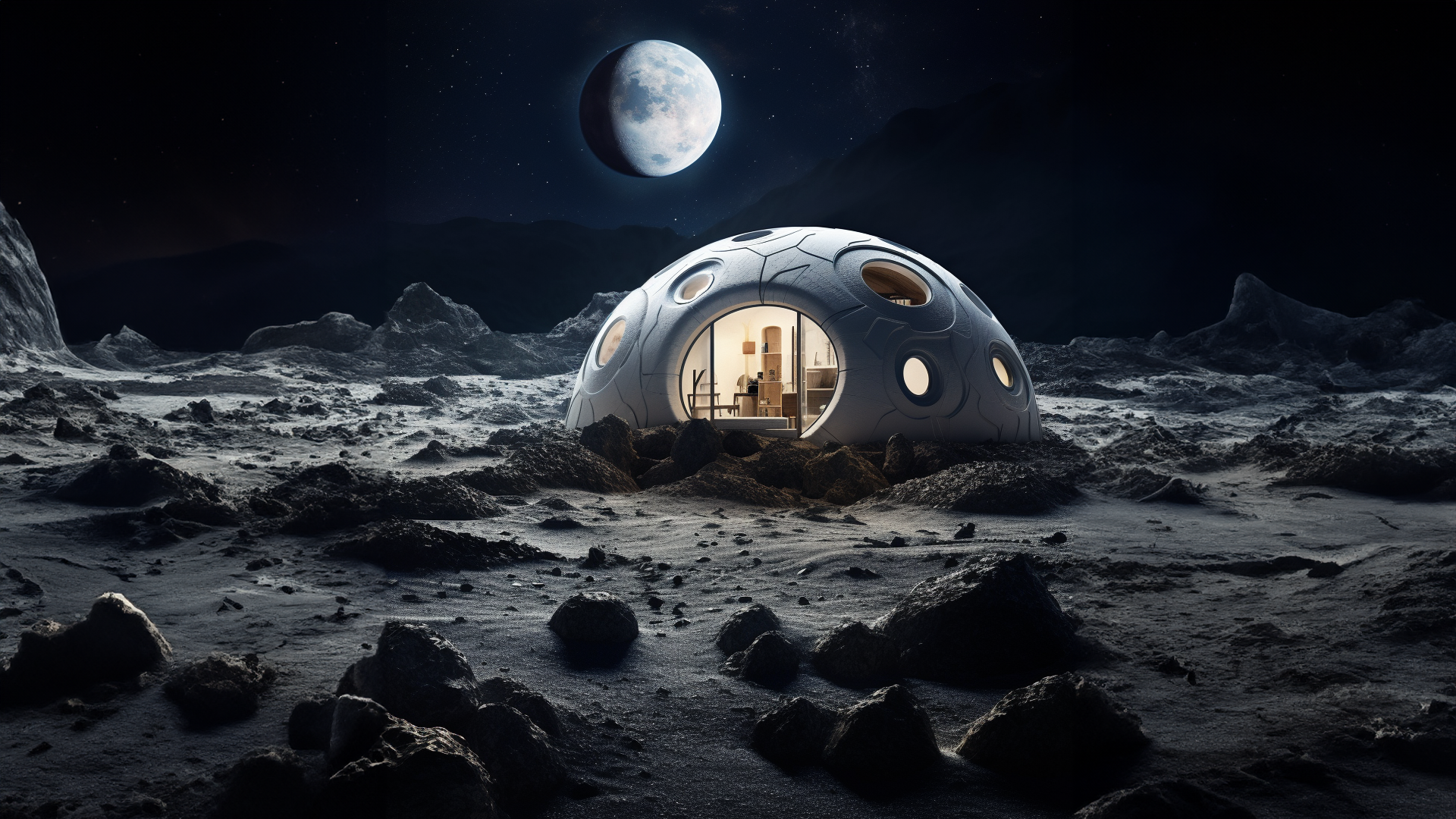
NASA is gearing up to build houses on the moon
Humans may have only made their first visit to the moon a little over fifty years ago, but by 2040 some of us could be living there. If building homes on the moon is successful, NASA says homes on Mars could be next. Living on the moon might sound far-fetched,...
Current in Science
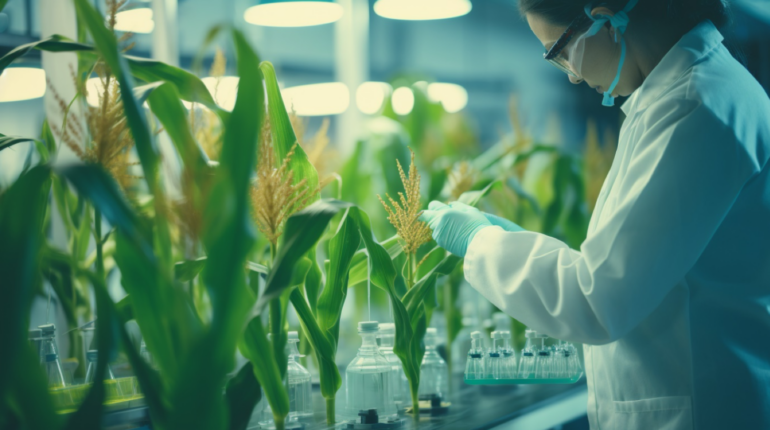
Could CRISPR save us from a future of food scarcity?
Scientists are hopeful that the gene-editing technology could help ease food insecurity as climate change continues to threaten crop yields and worsen global food insecurity on a planet with a growing human population. Feeding a population of more than 8 billion people in a world stricken by an unpredictable...
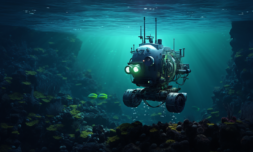
Is AI about to change deep-sea exploration?
Humans have explored more of outer space than our own planet’s oceans. Artificial Intelligence is about to change that. Although oceans cover 70 percent of the planet’s surface, much of this vast realm has remained unexplored on account of it being too challenging of an environment for humans to survive...
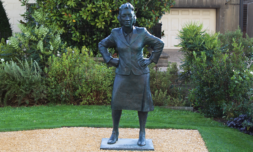
Henrietta Lacks – The unsung hero of the medical world
The cells of Henrietta Lacks have been instrumental in advancing the bioscience field, saving countless lives, but their use was tainted with injustice. Her story is a reminder of the importance of informed consent in medical research. In 1951, a young mother walked into Johns Hopkins Hospital – one of...
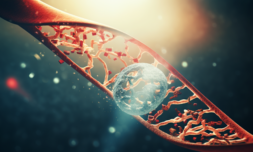
Gene therapy successfully curbs alcoholism in study
Gene therapy has shown promising results in treating a variety of diseases from cancer to HIV. Now, the same technology is being investigated as a potential treatment for alcohol addiction. Gene therapy has changed the medical field in countless ways, transforming how patients are diagnosed and treated for a wide...
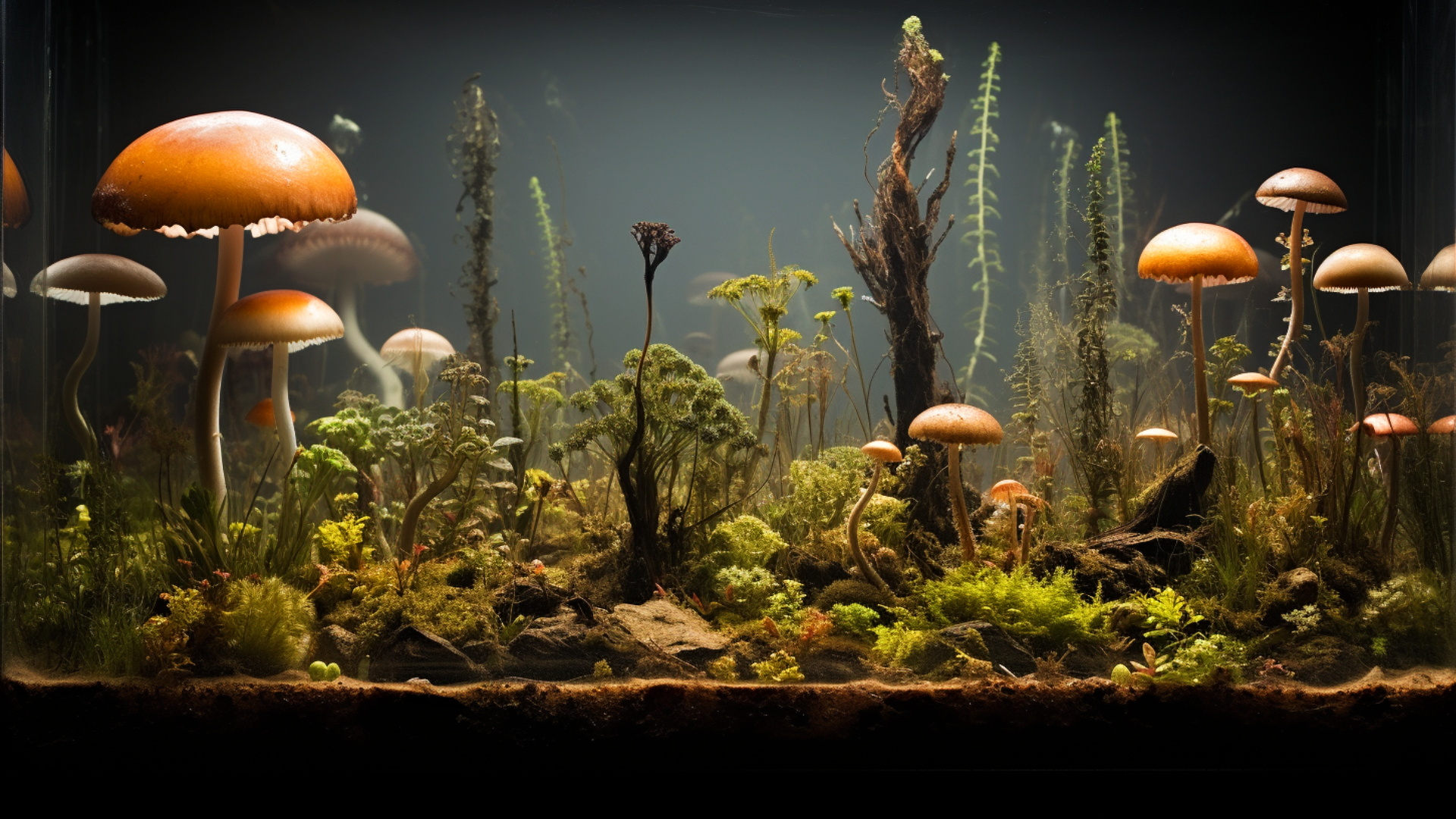
Soil home to more than half of the Earth’s species
According to a new study, 90 per cent of fungi, 85 per cent of plants, over 50 per cent of bacteria, and 59 per cent of life overall dwells in this ecosystem – double what many previously thought. A recent analysis has found that soil – the top layer of...

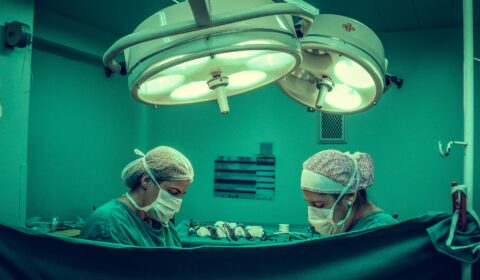
Surgeons perform UK’s first-ever successful womb transplant
Set to make the procedure another option for treating infertility within the next few years, the breakthrough is being hailed as the ‘dawn of a new era’ in reproductive medicine, as well as an incredible advancement in gynaecology. According to Imperial College London, one in 5,000 British women are born without a functioning uterus. Seeking to offer another option besides existing tools like drugs, IVF, and surrogacy for the treatment...

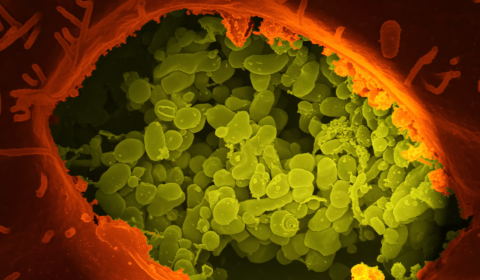
Bacteria is now being used to create endlessly recyclable plastic
Scientists at Berkeley Lab have developed a new way to engineer bacteria to produce raw materials that can be made into plastic. They’re completely recyclable. We probably don’t need to tell you that plastic is bad for the environment. A major polluter that causes significant headaches around the world, plastics can be found everywhere. From our foods to our seas, it has become a huge pillar of concern in the...

Are deepfakes convincing enough to create false memories?
A new study has found that watching deepfake videos and reading short text descriptions of made-up remakes can cause people to falsely remember watching non-existent films. Last month, researchers at University College Cork in Ireland published findings from their research into false memories, a study which indicates that the impacts of generative AI programmes may be more complicated than initially feared. Deepfake tech has already proven itself a dangerously effective means...

How the pandemic upended our perception of time
A new paper by cognitive neuroscientist Nina Rouhani has uncovered that isolating to curb the spread of COVID-19 significantly impacted our ability to accurately recall events – findings that are consistent with memory lapses experienced by prison inmates. Though almost everyone agrees that time has been passing very strangely since the pandemic took hold in early 2020, discussing how some days feel eternal while moths appear to be flying...