







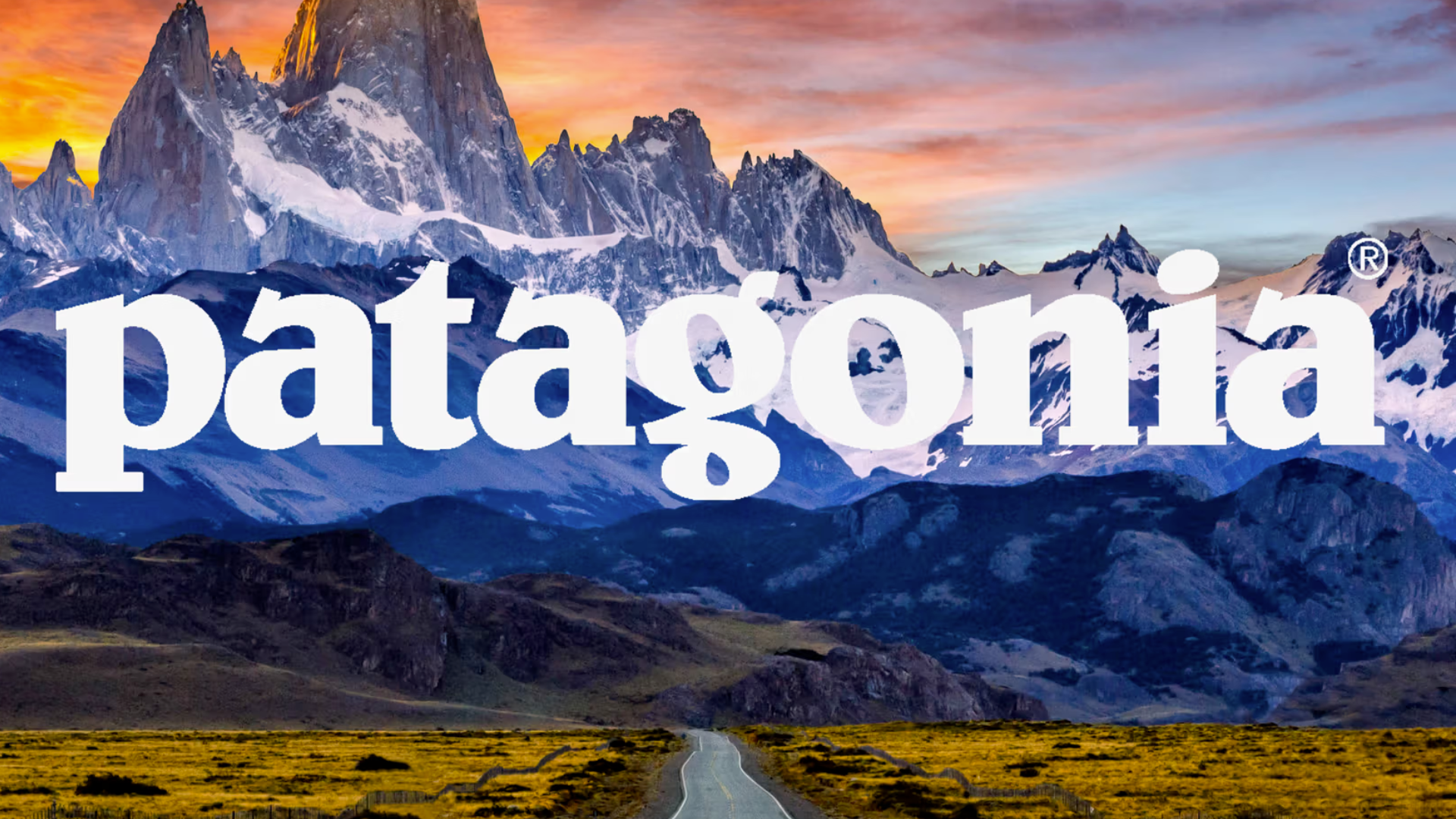
Patagonia’s warmest jacket ever is made with upcycled ocean plastic
Working together with Bionic and Gore-Tex – two companies that collect ocean plastics and transform them into fabrics – Patagonia has now released its warmest and most sustainable winter jacket ever. As new environmental policies are written up globally, immense pressure has started mounting on the fashion industry to clean...
Current in Industry

Do we need a #MeToo movement for men?
A new Panorama investigation looked into accusations of sexual assault against male employees by former Abercrombie & Fitch CEO. Following the grim exposure of Russell Brand’s alleged sexual abuse by Channel 4 Dispatches, the BBC teased – for the first time in Panorama’s recent history – an exclusive episode. Its focus was...

How the fashion industry will need to change in the coming years
As new policies crack down on unsustainable industry practices, fashion is one sector that will be forced to embrace major change. What kind of improvements should companies strive for and what else can we anticipate? Over the next decade, many business sectors will be forced to undergo considerable changes to...

Fashion’s efforts to go green are being negated by overproduction
WRAP’s 2030 Annual Progress Report says a 12 per cent reduction in the carbon impact of clothing has been cancelled out by a 13 per cent increase in the volume of textiles produced and sold. The planet is, quite literally, drowning in clothes. Through recycling programmes have existed for...

Ulta Beauty launches new project to help silence our inner critic
After hearing that its sales associates felt ‘like therapists’ while working the shop floor, the US beauty supplier has set out on a mission to help its customers embrace their inner joy by eradicating negative self-talk. Upon stepping inside a beauty store, customers are greeted by an array of products...

New report says fast fashion’s value is on a steady decline
According to the latest Brand Finance Apparel 50 report, the value of fast fashion giants such as H&M and Zara is decreasing as sustainability and innovation become the key drivers of consumer choices. Though it may not seem like it if your Instagram is full of influencers flaunting SHEIN hauls,...


How Gen Z has forced the luxury beauty industry to change
The beauty market is growing and transforming thanks to Gen Z’s unique influence and new spending power. This generation is now overtaking its older counterparts as consumers of luxury beauty, skincare, and hair care products. The luxury beauty industry has witnessed an unprecedented surge in value, with iconic brands such as Chanel, Dior, Prada, and La Mer capturing the attention and wallets of the coveted Gen Z demographic. Many newer,...


Is fashion’s problem overproduction or overconsumption?
Fashion sustainability guidelines constantly tell consumers to reduce their shopping habits in order to minimise their environmental impact. But should there be a legal limit on how many items fashion companies can produce? Those with an interest in sustainable fashion are probably tired of hearing that they should be reducing their shopping habits even further. Many of us may have started buying less and investing in clothing made from longer-lasting eco-friendly...

Why celebrity stylists are unionising
For decades, strict labour laws in the US have hindered unionising efforts in creative industries like fashion. Thanks to the knock-on effects of the Hollywood strikes, however, – where workers are standing up against low wages and poor working conditions – the tide appears to be turning. In July, hundreds of thousands of Hollywood actors swapped the red carpet for the picket lines and went on...

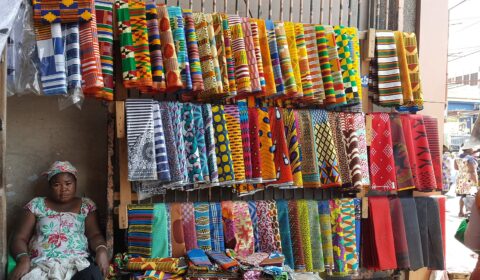
How the Global South is confronting the textile waste crisis
Every year, millions of tons of unwanted garments are shipped around the world as part of the second hand clothing trade, ending up on landfill sites in Ghana, Pakistan, and Chile. In an effort to mitigate this pollution problem, entrepreneurs from these countries are getting creative. The planet is, quite literally, drowning in clothes. Though recycling programmes have existed for decades now, of the 100 billion garments bought annually, 92...