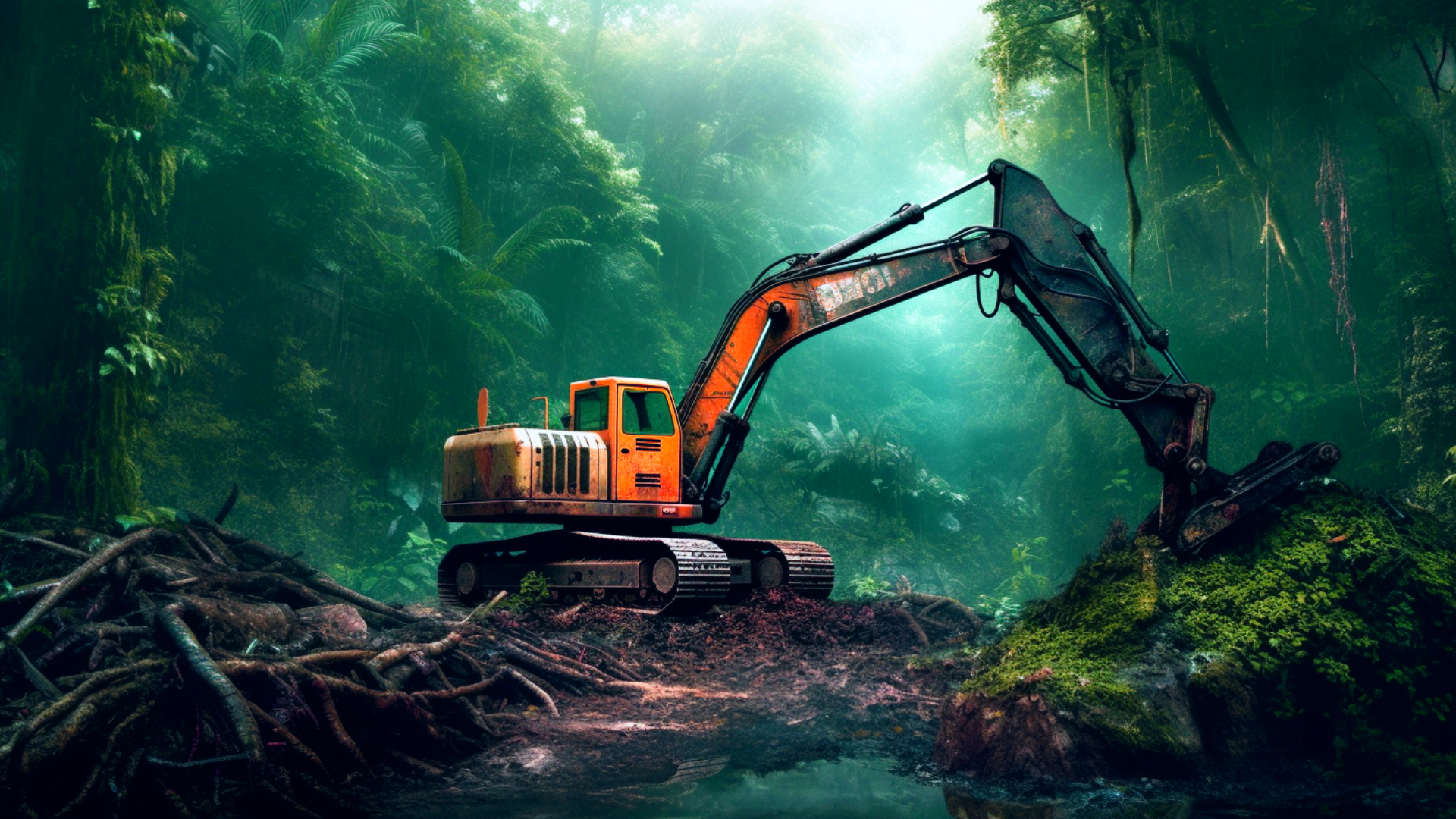
Brazil’s Amazon deforestation fell by 68% in April under Lula da Silva
Taking the reins from Jair Bolsonaro in January, Lula da Silva has thus far honoured his pledge to tackle Brazil’s astronomical deforestation problem. In April, the rate of such activity was down 68% on the previous year. In the run-up to Brazil’s elections last October, several ecological experts suggested the...
Current in Planet
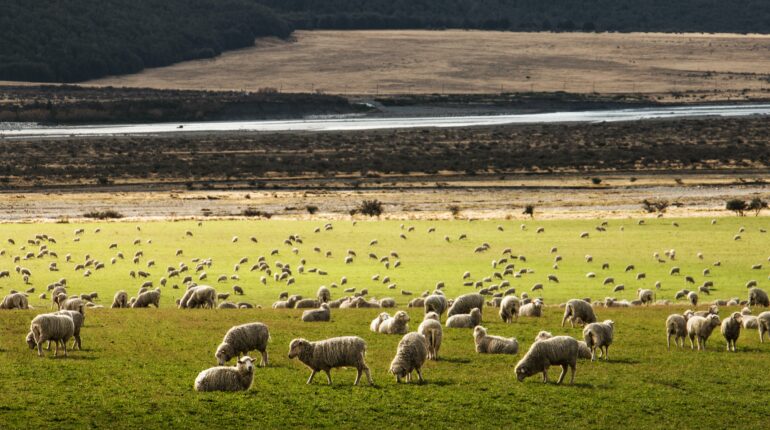
New Zealand unveils its biggest emissions reduction plan in history
Set to involve transitioning from coal to renewable electricity at the country’s major steel plant, the project will – according to the government – be equivalent to taking 300,000 cars off the road. As we inch closer towards the 1.5°C temperature threshold, countries across the globe are finding themselves...
How should Gen Zers cultivate their own eco-friendly garden?
For Gen Z, who are becoming increasingly aware of environmental issues and their impact on future generations, eco-friendly gardening is an important way to make a positive impact. It is no secret that the world's environment is facing a crisis. With the increasing concerns about climate change and environmental degradation,...
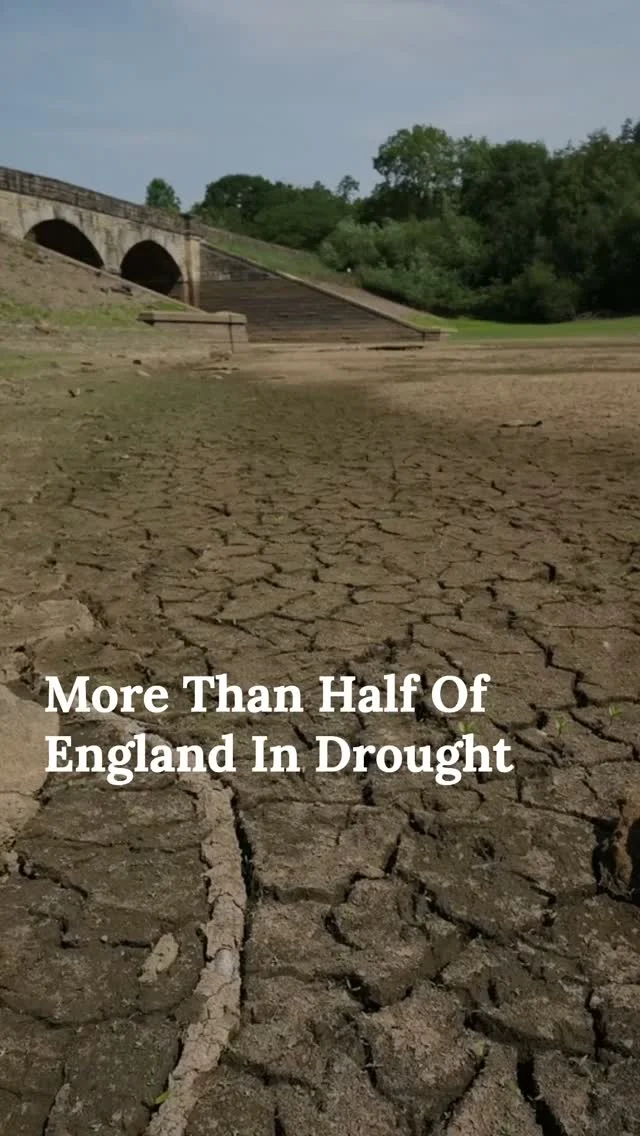
Over half of the world’s lakes are shrinking
According to a new study, climate change’s hotter temperatures and society’s diversion of water have been shrinking the world’s lakes by trillions of gallons of water a year since the early 1990s. In the past 30 years, more than half of the world’s large lakes and reservoirs have shrunk due...
World likely to breach 1.5C climate threshold by 2027
In its latest assessment, the World Meteorological Organisation has warned we are fast approaching a tipping point that could collapse Antarctic ice and cause a huge rise in sea levels. According to the World Meteorological Organisation’s (WMO) latest assessment, our planet is almost certain to experience new record temperatures in...
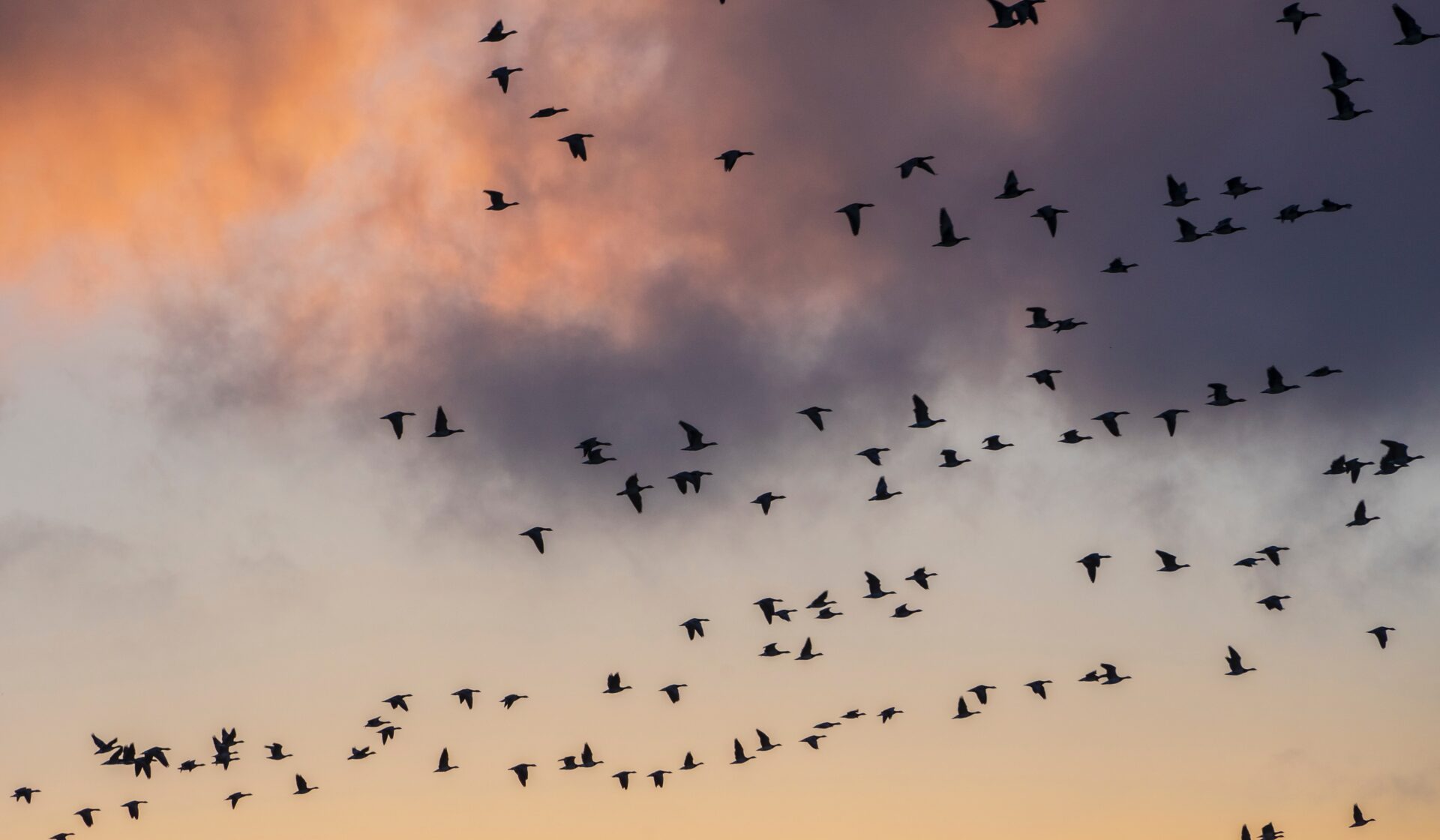
Intensive farming is the primary driver of bird decline in Europe
New research has identified the use of pesticides and fertilisers in agriculture as the leading cause behind the continent’s dwindling avifauna populations. According to more than 50 researchers who analysed data collected by thousands of scientists in 28 countries over nearly four decades, intensive farming is the primary driver of...

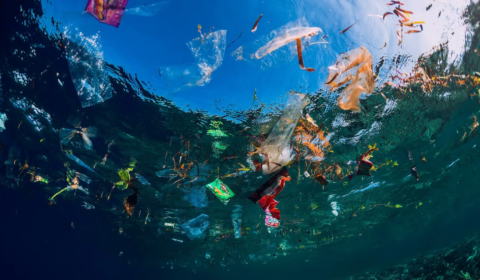
The Great Pacific Garbage Patch is now its own ecosystem
The gigantic floating mass of ocean plastic debris has now become home to hundreds of plant and animal species. While an interesting phenomenon, it's not exactly something to celebrate. Humans have influenced the natural world for as long as we’ve existed, but only a handful of man-made inventions have impacted the planet as much as plastic. A major phenomenon created by our plastic obsession is the Great Pacific Garbage Patch (GPGP)....


Climate change exacerbating damage caused by crop-destroying fungi
Scientists have warned that fast-rising fungal attacks on the world’s most important crops threaten the planet’s future food supply and that failure to tackle this could lead to a ‘global health catastrophe.’ An ‘unprecedented’ spread of a fungus infecting wheat across the globe has prompted scientists to call for greater international collaboration in minimising this destruction. Without rapid intervention, they warn that these fast-rising attacks on the world’s most important crops...

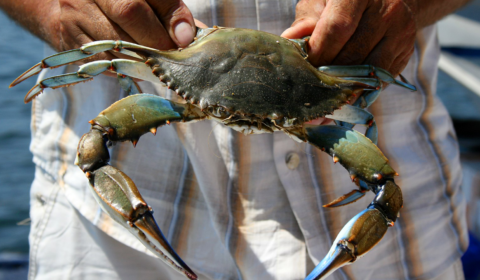
Invasive blue crabs are taking over the Mediterranean Sea
Coastal towns near the Mediterranean are grappling with an invasive sea species brought to their waters by international shipping boats. Dealing with this new inhabitant might mean serving them up on thousands of plates across Europe – if only a local appetite for them will grow. International trade is causing hundreds of animal species to find homes in parts of the world they would have never reached otherwise. This is...
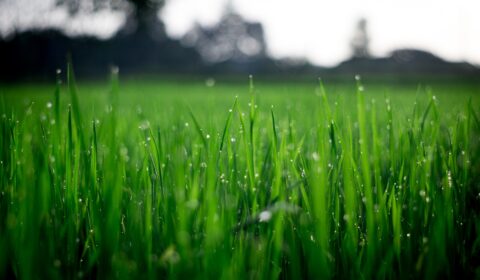
Researchers suggest council tax discount for those who garden sustainably
Experts from the University of Sheffield say that British homeowners should be given financial incentives to preserve green spaces as it would be more beneficial to wildlife and the environment. UK scientists have recommended that eco-friendly gardeners should be given a cut in their council tax, following new research uncovering that cities may have lost as much as 50% of their green garden space over the past two decades. The move...