WHO declares Benin and Mali trachoma-free
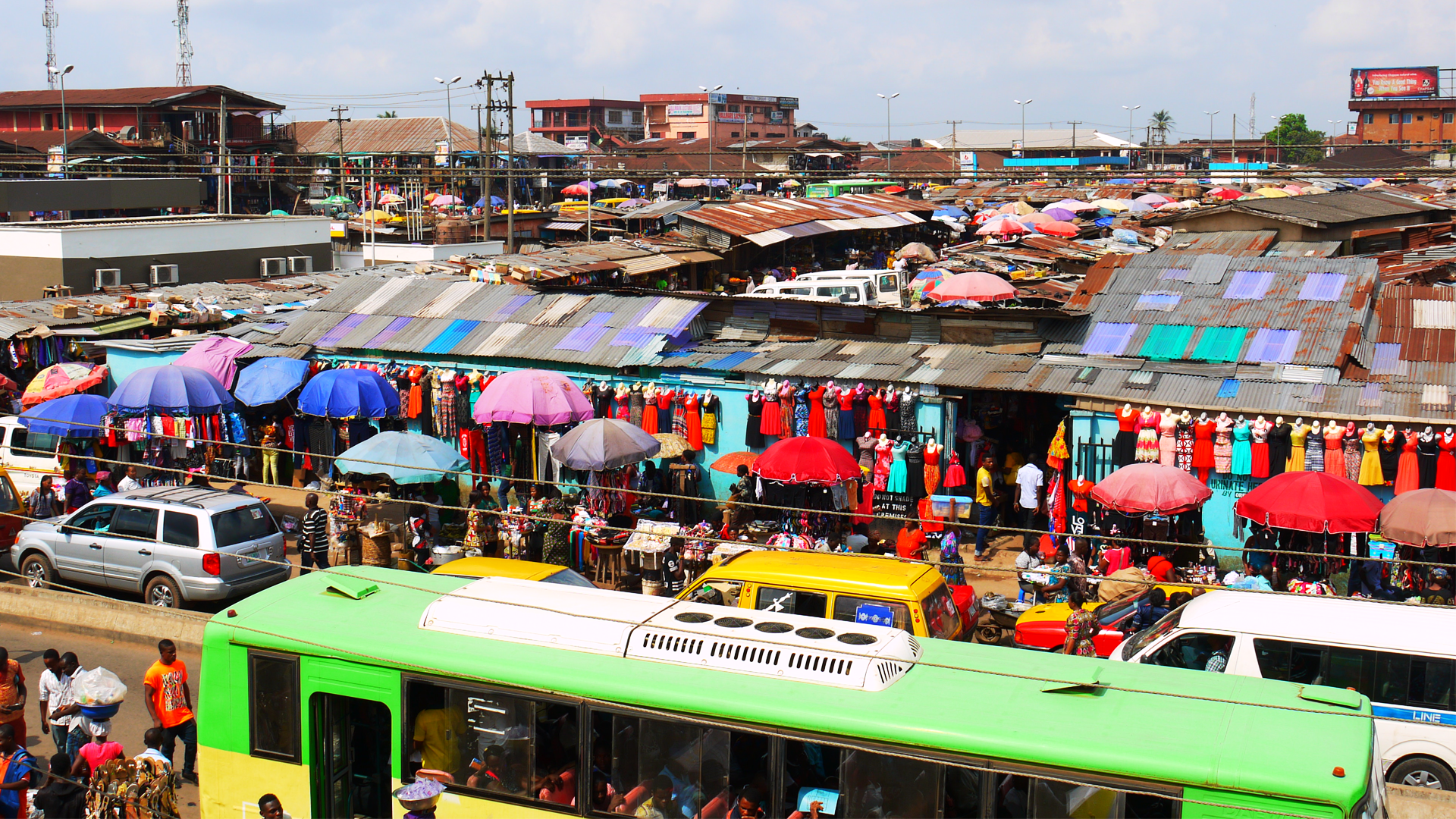
Trachoma has plagued poor communities across the globe for centuries. This week, the World Health Organization declared both Benin and Mali to have eradicated the disease, joining four other African nations in eliminating the problem fully. The profound consequences of trachoma on communities have been extensively documented. Recently, a collaborative...
Current in People
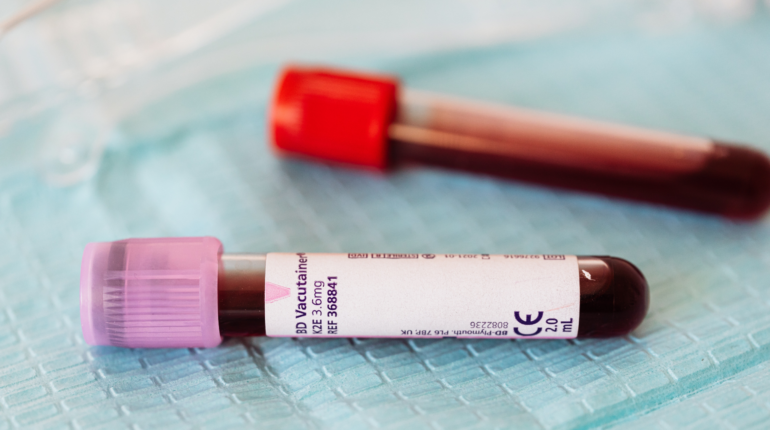
Limits on blood donations from gay and bisexual men eased by FDA
The Food and Drug Administration has announced it will not lift its total ban on gay and bisexual men from giving blood donations in the US. The policy, which has been in place for more than 30 years, has been altered after being deemed discriminatory. Each year, around 110 million blood...
How has Biden approached climate diplomacy?
The election of President Joe Biden brought forth a renewed sense of hope and urgency in the fight against climate change. On April 22, 2021, world leaders were brought together at the Leaders’ Summit on Climate. With a firm commitment to reversing the policies of the previous administration, Biden promised...

New study reveals that menstrual misinformation is on the rise
According to research published this month by period tracking app Flo Health, there exist prominent gaps in the knowledge women have about their own bodies. While women’s health has undergone a generational culture shift in recent years, prompting more open discourse around historically stigmatised concerns regarding our wombs, it’s still...

Exclusive – Genesis Butler on animal agriculture and the climate crisis
We spoke with sixteen-year-old activist Genesis Butler about the inextricable link between animal rights and the climate crisis. At the age of six, Genesis Butler decided to become vegan. It was a move unexpected by her parents, who were raising her in a home that combines Black, Mexican, and Indigenous...
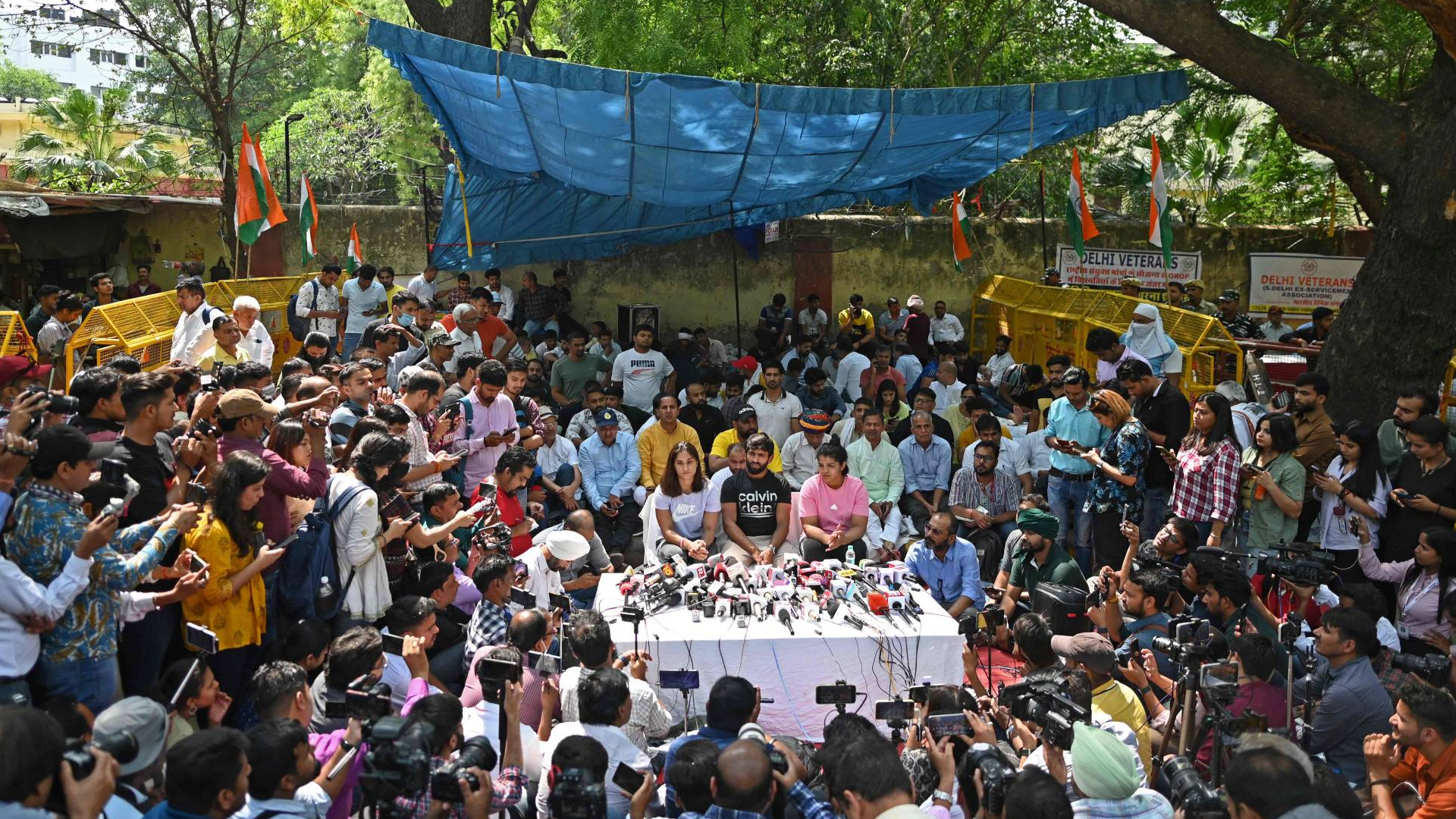
Why have India’s top wrestlers taken to the streets in protest?
India’s Olympic-level wrestlers have recently been leading a demonstration in New Delhi as an act of protest. This movement, which started with MP Brij Bhushan being accused of sexual assault, is scheduled to end only after his arrest. With powerful stakeholders involved, the victims await justice and an acceptable...

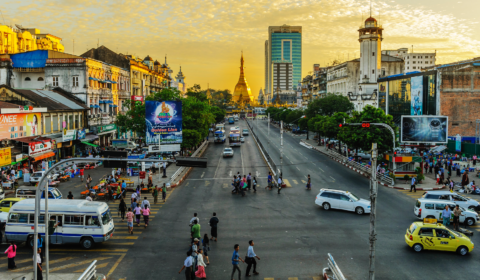
How politics is affecting Southeast Asia’s green agenda
Despite being absolutely critical, the road to mitigating climate change isn’t easy, especially in Southeast Asia. Southeast Asia is home to more than 675 million people and faces many obstacles in its pursuit of a green future. Comprised of ten countries, The Association of South East Asian Nations (ASEAN) is the fourth largest consumer of energy globally, making it one of the biggest players in achieving net zero. Mitigating climate change...


Exclusive – Kevin J. Patel’s community-centric approach to activism
We spoke with the intersectional climate justice activist and founder of OneUpAction International about his mission to support and empower young leaders to implement solutions by providing them with the resources they need to be changemakers. ‘Community is where it begins,’ says Kevin J. Patel, an intersectional climate justice activist who’s spent the last decade advocating for the environment. He is the son of working-class, Indian immigrants, who relocated to the...

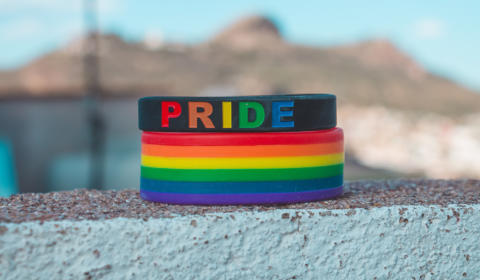
Opinion – Queerphobia’s rise is affecting the Indian internet
With the beginning of the marriage equality hearings in the Supreme Court, the Indian queer community has had to face rising queerphobia online, ranging from dehumanization to death threats. I haven’t had a single day of peace on social media since April 18th. This date began one of the most arduous hearings in the Indian Supreme Court's history of handling queer issues: whether marriage equality should be sanctified under the law...

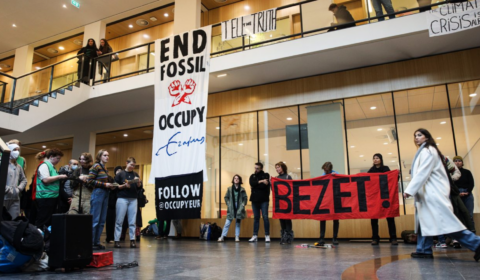
Youth climate protesters are occupying their schools across Europe
22 institutions including schools and universities have been temporarily closed as part of a proposed two-month campaign from European students. Headed up by an eco-outfit called ‘End Fossil: Occupy’ the target and agenda are clear. In the fight against climate change and fossil fuel behemoths, eco-conscious students are changing tact to get their message heard. We’ve seen our fair share of mass school strikes since 2019, which happened to be...