Côte d’Ivoire’s ambulance boat revolutionises healthcare access
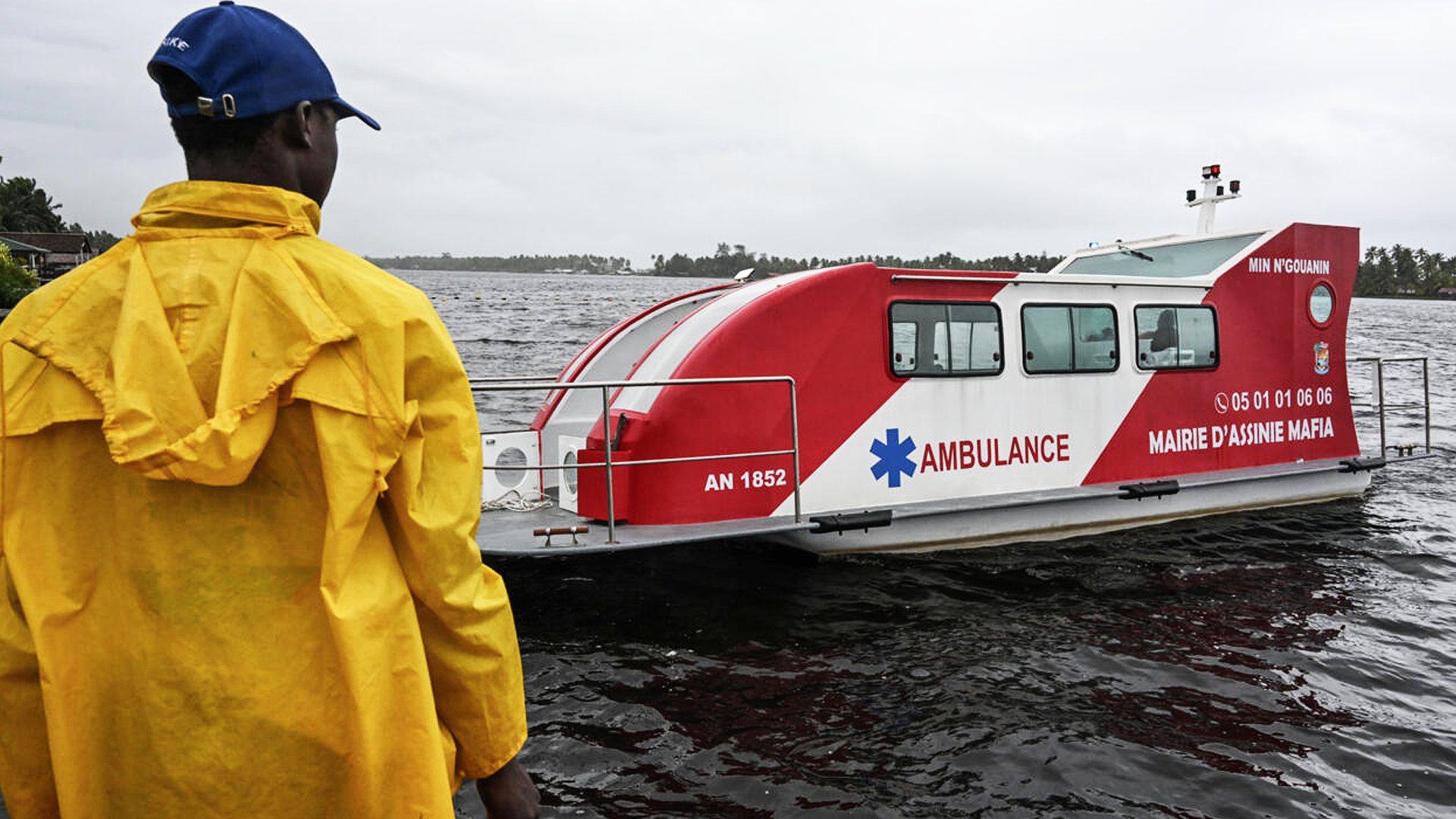
In an initiative aimed at improving healthcare accessibility in remote areas, Côte d'Ivoire launched its first-ever ambulance boat this month, catering to the medical needs of villagers residing along the country's Assinie-Mafia region. Government, healthcare practitioners, and local communities in Assinie-Mafia are working together to improve emergency medical services...
Current in People

The Netherlands offers free-to-use sunscreen as temperatures rise
At popular leisure spots in The Netherlands, free sunscreen stations will be available to locals and visitors as they head outdoors for one of the hottest summers on record. The goal is to reduce cases of melanoma, the most common form of cancer amongst the Dutch. As Europe prepares for...

Attack on secondary school in Uganda claims 41 lives
A secondary school in western Uganda was targeted by armed rebels last Friday, resulting in the loss of several students' lives. The ISIS-linked Allied Democratic Forces (ADF) rebel group is believed to have been behind the attack. A terrorist attack took place at Lhubirira secondary school last Friday, which...

Sunak unveils ‘radical’ vision to transform UK health service
Seeking to boost doctor numbers countrywide, the government has promised ‘the biggest ever expansion in workforce training in the NHS history.’ Yet with the pay debate still in full force, many have renounced the move for failing to address the real issues at hand. With the aim of saving taxpayers...

Global economic inequality is the lowest it’s been in 150 years
After examining new data, a renowned inequality researcher for Foreign Affairs magazine has declared that global economic inequality is lower than it’s been in 150 years. What can a closer look at the findings tell us about the future? ‘The rich are getting richer, while the poor are getting...
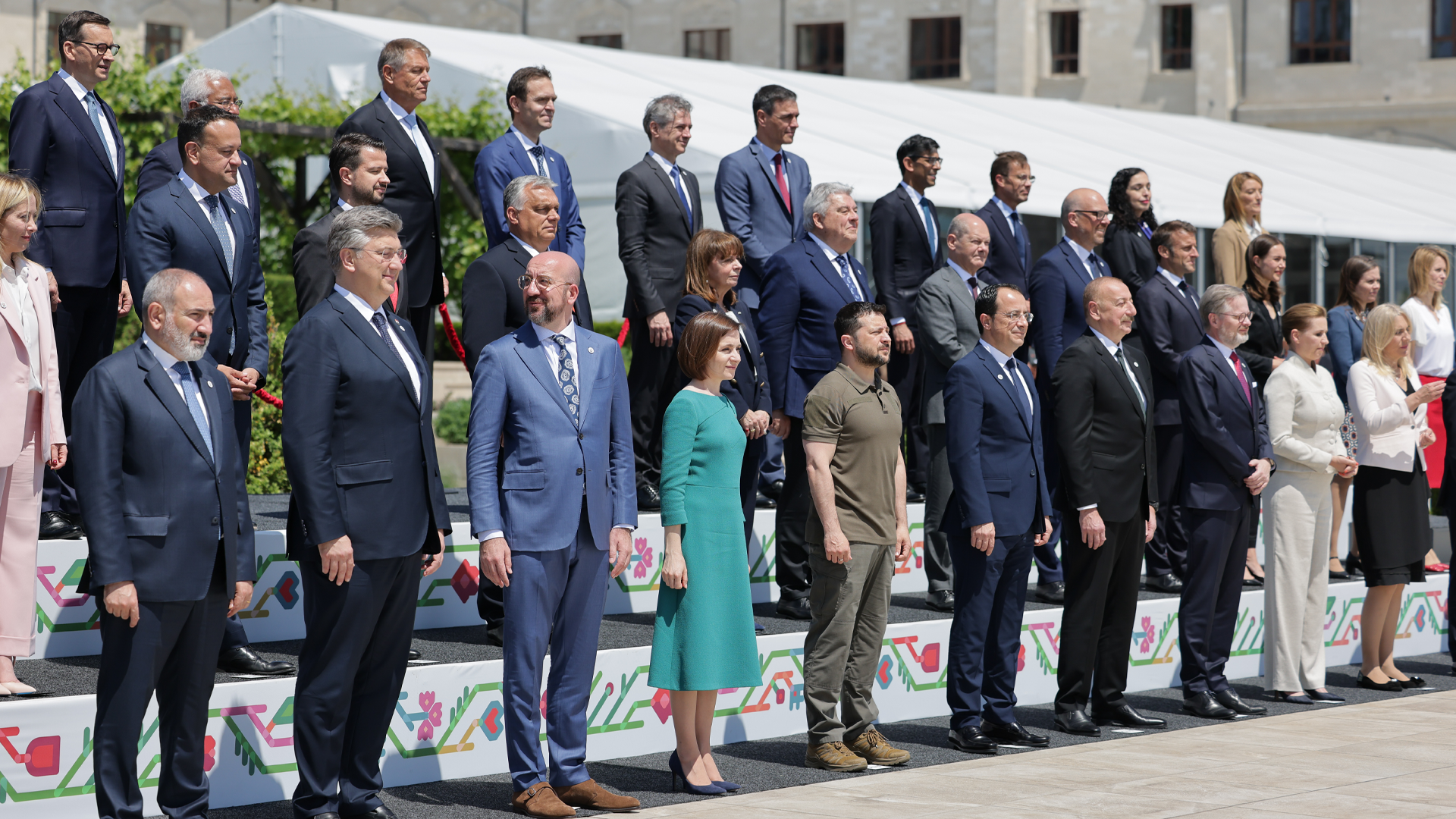
How does the EPC aim to unify Europe?
Igniting a new era of collaboration and progress, the EPC stands at the forefront of Europe's transformative journey, fostering unity, resilience, and a shared vision for the continent's future. Emmanuel Macron, the President of France, has been at the forefront of advocating for a stronger and more united Europe. Recently,...


Opinion – Indo-Pak relationships should be celebrated
Many Indo-Pak lovers meet online and go to great lengths to be together, even crossing the border or uniting at the Kartarpur corridor, a visa-free territory. Those that are successful often settle down in safe havens such as Dubai. Social media has recently been busy with discussions of the Indian and Pakistani diplomats S Jaishankar and Bilawal Bhutto making snide comments about one another. https://www.youtube.com/shorts/9NWsT-T1uog Given the longstanding rivalry between both...

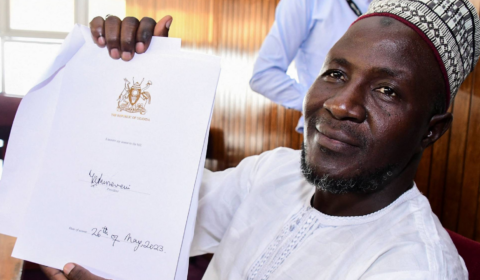
Uganda’s anti-LGBTQ+ bill officially comes into law
Ugandan President Yoweri Museveni has signed a new anti-LGBTQ+ bill into law, which declares any ‘engagement in acts of homosexuality’ as a punishable offence. It proves that LGBTQ+ rights and legal protection are still intense issues that must be fought for. Uganda has passed a controversial new bill that imposes a range of harsh punishments for homosexual acts and any alliance with LGBTQ+ causes. Signed on 26th May 2023 by...


Do climate conversations need a rebrand?
Arnold Schwarzenegger has called for changes to the way we speak about the climate crisis. He says the current language used to describe the issue does little to create a public sense of urgency or incite changes in behaviour. Gen Z knows all too well how quickly family and friends tune out once the phrase ‘climate change’ is mentioned in conversation. While most of us are seriously concerned about our climate's...


Opinion – New York City discrimination bill is a sign of progress
In a city known for its diversity and progressiveness, New York City has once again made headlines by taking a bold step in the fight against discrimination. This week, America’s cultural capital announced a new law prohibiting weight-based bias in employment, housing, and public accommodations. It’s a surprisingly positive legal turning point, given the contentious state of Western politics in recent years. Amongst violent anti-trans legislation and archaic turns in female...