Parenthood is costing women their academic careers
Studies show a direct correlation between motherhood and a decline in academic tenure, with one in three women leaving academia after becoming mothers. When I was a student, I remember being struck by how many women were on my Art History course. Out of our 50-or-so cohort, I could count...
Current in Change

How Britain’s press bias helped shape Tory election wins
Britain’s press has long claimed to simply report politics, but its deep-rooted bias toward the Conservatives suggests it may have played a far more active role in shaping how the public sees power, leadership, and ultimately who gets to win. On 13 April 1992 after a devastating election loss, swerving...

Can Hermosa deliver US minerals without environmental cost?
Though the project is a vital strategic asset for the US, its reliance on advanced tech for mitigation techniques have failed to ease local anxieties about water security and the environment. In the past two years, the US government has placed significant emphasis in obtaining rare earth minerals. From...

Young unemployed Brits citing work-limiting conditions are up 70%
In the last decade, the share of 15-to-24-year-olds in the UK who claim they have a condition limiting their ability to work is reportedly up by 70%. There has been a sharp rise in the number of jobless young people in the UK citing health problems as the reason they...
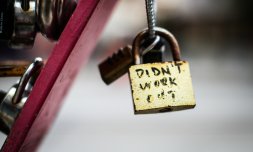
Opinion – is my generation ditching marriage?
Less 20-somethings are getting married today than ever. As Gen Z ditches wedding rings, it begs the question: what has changed? There’s little I love more than the sweet sound of an orchestra playing a doting love song, as a couple makes it down the aisle, ready to make the...

The ‘manosphere’ thrives on attention, but can we afford to ignore it?
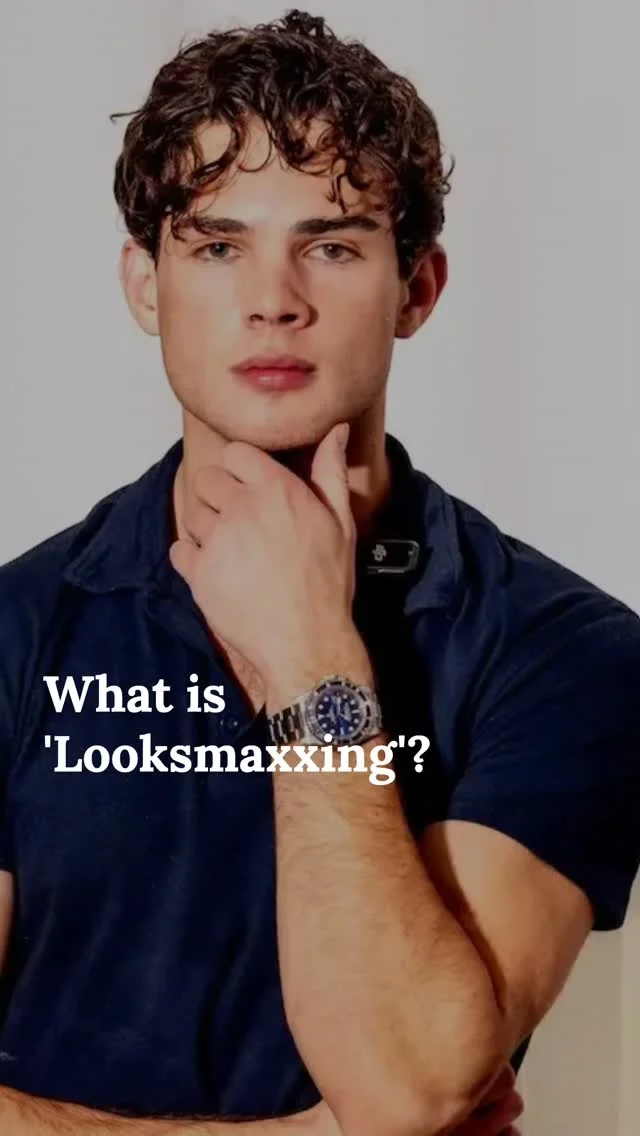
Louis Theroux’s manosphere documentary has raised questions about how we tackle a toxic community that spreads in the shadows and thrives in the spotlight. It was only a matter of time before Louis Theroux shuffled into frame and imparted his gauche two cents on the manosphere. The documentarian is beloved...

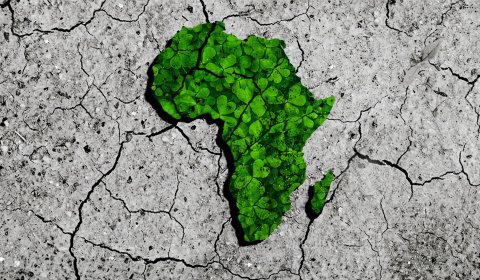
Will carbon markets help Africa or is the whole thing a myth?
Companies in the Global North are increasingly purchasing carbon credits to offset their emissions, while projects across Africa are encouraging farmers to adopt climate friendly practices that can generate those credits. The process is theoretically simple. Farmers plant trees or adopt other practices that help to sequester carbon dioxide directly from the atmosphere. This is then measured and sold to companies as credits to help them offset their own impact...

Kent meningitis outbreak identified as less-targeted strain
Staff and students at the University of Kent were devastated by a fatal outbreak of meningitis last week, which left two people dead and more than 10 hospitalised. The incident has thrown a community into chaos, as students begin to worry about those they’ve come into contact with and University staff try to manage the outbreak. Hundreds of young people have since begun queuing for antibiotics, while in-person exams...


What’s up with the UK’s new study visa restrictions?
A recent move by the UK government may alter the educational routes of thousands of young people in the Global South, especially those from areas experiencing conflict. Recently, the Home Secretary, Shabana Mahmood, announced a plan by the British government to stop issuing study visas to students from various countries in the Global South. These include Cameroon, Sudan, Myanmar, and Afghanistan. If everything goes as planned, the policy...

There are microplastics in women’s ovaries now
Researchers are still exploring how the discovery could impact fertility. Microplastics were found in human ovaries for the first time last June. Yet the news largely flew under the radar. Perhaps this reflects our collective desensitisation to all plastic-based health warnings. After all, when you consider how embedded the material has become in our lives, it’s easy to feel helpless. Why spend time worrying about something that’s quite literally become a...