

























Latest Stories from Jessica
Study reveals Europe’s dangerous ‘forever chemical hotspots’
In-depth research conducted by the Forever Pollution Project in collaboration with Le Monde and The Guardian has revealed that a massive 17,000 sites in Europe and the UK are plagued by dangerous levels of forever chemicals. We’ve heard a lot about ‘forever chemicals’ and their effects on human health in the last few years. At the moment, we know there are 4,700 different kinds of forever chemicals circulating the market. These...


Why the Facemega deepfake app is a slippery slope
Accessing deepfake technology is getting easier. With the majority of people choosing to use it for sinister reasons, it’s hard to ignore that the negative consequences of the novel tech might outweigh its benefits. The negative and dangerous consequences of deepfakes have been heatedly discussed since AI technology made its way into the mainstream in 2017. Experts have warned that their widespread use, combined with constantly improving AI learning systems,...
Opinion – Dating apps ruin the experience of falling in love
From selecting a potential partner based on vague information on a phone screen to the weighty implications of meeting within a platform designed to transform strangers into couples, have ‘dating apps’ taken the fun out of falling in love? If you met your significant other through close friends, family, or acquaintances, this article might not be for you. If you found your life partner on a dating app, this also...
UN finalises the High Seas Treaty after two decades of negotiations
Last year, ocean conservationists grew worried as nations failed to sign the High Seas Treaty for the fifth time. But over the weekend, the UN achieved momentous success – it received signatures from leaders of 193 countries to protect one of the planet’s largest and most precious resources. It’s the day many were starting to believe would never come. After more than two decades of negotiating, the UN has finally reached...
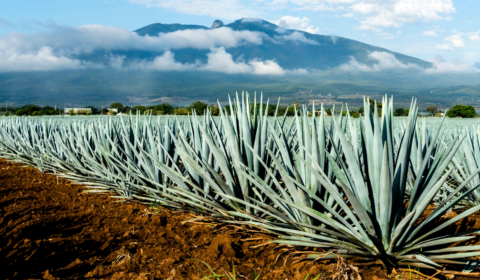
Tequila and mezcal production could be halted by climate change
Making tequila and mezcal requires agave syrup extracted from a virtually climate-resistant plant. But the only animal that pollinates this special plant is rapidly disappearing as its natural habitat and food sources succumb to a warming world. It’s Friday and you know what that means. Millions of people will be heading out to their local watering hole for happy hour, with many choosing to sip on the popular and delicious margarita. You...
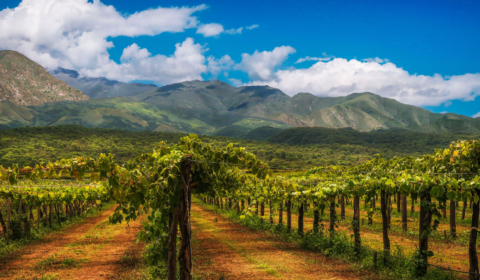
Climate change forces winemakers to turn to ancient grapes
Workers at vineyards around the world are asking themselves: what do the people want? Well, wine, of course. But providing that as our climate grows warmer will require resorting to grape varieties that are currently on the brink of extinction. Global winemakers are facing a serious dilemma. As a result of climate change, their once-reliant grape vines are starting to produce fruit with altered tastes. Sometimes, the grapes hardly grow at...

Italy’s fashion industry lags behind on diversity and inclusion
Two Italian designers – and founders of the organisation We Are Made in Italy – have boycotted fashion week in Milan. They claim that the event’s organisers have not kept their promises to boost diversity and inclusion in the space. Many fashion-forward nations have made it their mission to achieve higher levels of diversity and inclusion within their local industries. But Italy, one of the fashion capitals of the world,...
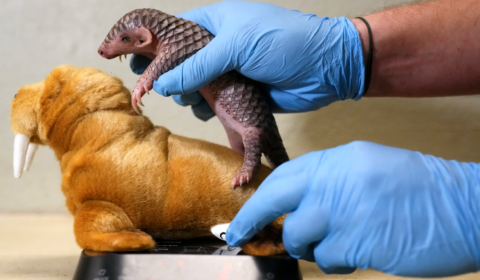
How international zoos could save rare species from extinction
The first-ever birth of a baby pangolin in a European zoo is a beacon of hope for native species on the brink of extinction. What can we learn from this successful breeding trial? Around the world, native species – animals and plants found only in specific regions or countries – are starting to disappear rapidly. Most native flora and fauna populations have unique adaptations which enable them to live within these...
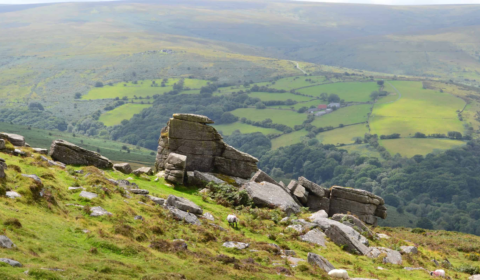
Activists pressure British royals to re-wild their land
Prince William has inherited a plot of land that makes up 0.2 percent of the UK’s landmass. Now, activists are asking him to re-wild the estate. Following the death of his grandmother Queen Elizabeth II, Prince William inherited a 530 square kilometre estate named Duchy of Cornwall. A large portion of the land is made up of Dartmoor National Park, an area that has long been considered England’s ‘rainforest zone’. The...
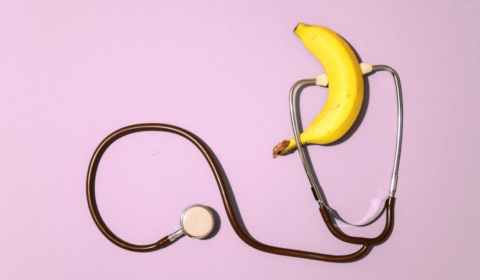
Scientific data suggests pollution is making penises bigger
According to newly analysed data, the average male penis size has increased by 25 percent over the last three decades. Scientists say pollutants in what we eat, drink, and breathe are likely the cause of the rapid change. While it might not sound like the worst news at face value, scientists have raised concerns that the average male penis size is rapidly getting bigger. The revelation was made by researchers at...

