
























Latest Stories from Jamie
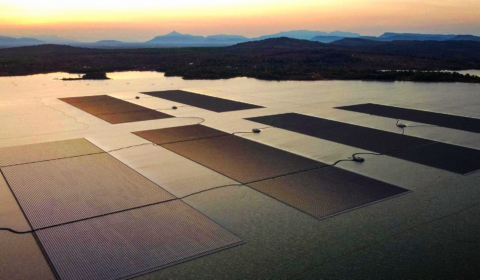
Floating solar farms put Thailand on track for carbon neutrality
In Thailand’s north-eastern region of Ubon Ratchathani, a shimmering network of solar panels stretches across a large reservoir constantly generating green energy. This is the first of 15 planned floating solar farms that aim to put Thailand on track for carbon neutrality by 2050. With climate deadlines from COP26 fast approaching, nations are turning to some pretty radical solutions to achieve net zero. This definitely qualifies. In Thailand’s north-eastern region of...


Is Microsoft creating a monopoly after Activision Blizzard deal?
Microsoft is on the brink of acquiring Activision Blizzard for a record fee of $68.7bn. Having already landed the Bethesda deal last year, is the conglomerate potentially underway with a full-scale gaming monopoly? If the cringe, social media driven console wars are even still a thing, this is the equivalent of a nuke. Throughout the pandemic, general interest in game showcases has dwindled with schedules thrown off kilter and physical attendances...

Commercial interest in biomaterials tipped to explode in 2022
In the synthetic age, profitability and sustainability have long butted heads. Biomaterials have been touted as the saving grace for green manufacturing for years, but only now are the building blocks coming into place for 2022. It goes without saying that the prospect of forming low-carbon economies is nigh-on impossible if the commercial giants feeding them fail to adapt. As it stands today, 62% of all fibres produced (of which polyester...
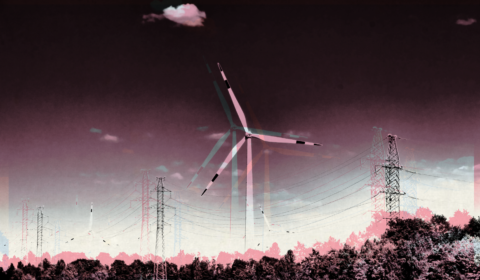
NGOs sue UK government for lax net-zero climate plans
The UK government is being sued by climate NGOs for failing to include policies needed to deliver COP26 emission cuts. They argue the current strategy relies too much on speculative technologies. Already in hot water over a number of parties that may or may not have happened, the UK government is now being sued over holes in its net zero climate strategy. Court papers were filed on Wednesday on the grounds...

The EU’s continued problem with empty ‘ghost’ flights
A technicality requiring airlines to use 50% of their airport slots – or face losing them to competitors – leads to thousands of empty flights a year. In Brussels, where the custom is particular bad, pressure is on to stop immediately. When facing the public, western governments appear staunchly determined to fight climate change. You’d be surprised then at how many bureaucratic and technical decisions continue to hold us back. Speaking...

Fact checkers label YouTube a ‘major conduit’ for misinformation
Organisations involved in fact-checking have come together to demand YouTube finally address its misinformation problem. YouTube has a little something for everyone, whether you’re looking for an amusing review of a takeaway chain or a comprehensive history lesson on the Mayans. The only issue with allowing almost anything to end up on the platform, so long as it doesn’t breach terms brazenly, is that information is able to circulate rapidly without...

Climate change ‘overtakes’ pandemic as #1 global concern
A survey carried out by the World Economic Forum suggests climate change has now overtaken the pandemic as the biggest cause for concern globally, according to the experts. This is where we’ve come to. Both Covid-19 and climate change have wreaked such havoc in recent years that we’re now officially ranking them as threats. Here’s one top 10 that Ed Sheeran is nowhere near. If you’re living in the wealthy west...


Study reveals Gen Z and millennials are paying highest bank fees
Gen Z and millennials are now paying the highest banking fees. Are young people in general too spend-happy, or is there more to it than that? It’s all overdrafts, booze, and Uber Eats with youngsters today, right? In reality, anyone who actually does their research will know that the financial plights of most Gen Zers and millennials are due to rising costs of living. Climbing the corporate ladder isn’t as simple...

Twitter bans ‘Politics For All’ account without specifying why
The integrity of Twitter as a democratic platform is again under scrutiny. This time, after permanently banning a political news aggregator account for a strange and minor offence. Another day, another censorship storm involving Twitter. The topical social media giant is under scrutiny after removing a popular political news aggregator account called Politics For All earlier this week. It has since specified that Twitter will not be reinstating the page. Removed on...